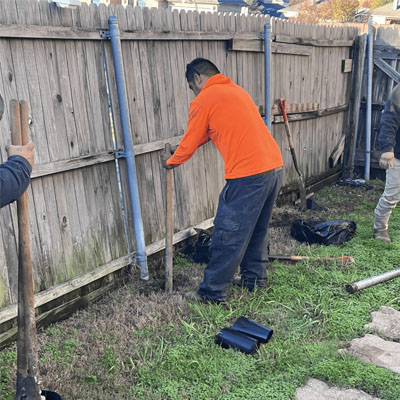
Signs of Poor Installation vs. Natural Wear and Tear

All fences change over time. Materials respond to heat, moisture, load stress, and daily use, which means some level of ageing is expected across the lifespan of any installation. Fading finishes, gradual hardware wear, and minor movement can all occur even when a fence has been built correctly. These changes tend to develop slowly and follow predictable patterns linked to weather exposure and normal use.

Installation faults, however, behave very differently. Problems linked to poor setup often appear early and progress quickly, affecting alignment, stability, and long-term performance. Leaning posts, gates that drop within months, or panels that never sit level usually point to issues beneath the surface rather than natural ageing. Being able to tell the difference between these two causes helps determine whether a fence needs simple correction or full replacement.
What Natural Wear and Tear Looks Like

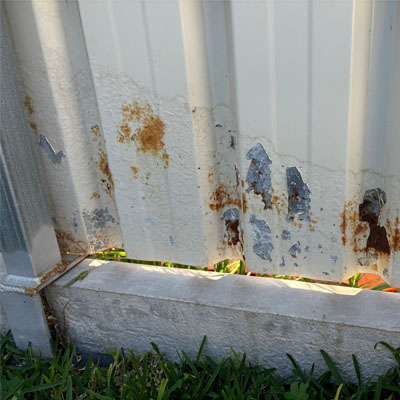
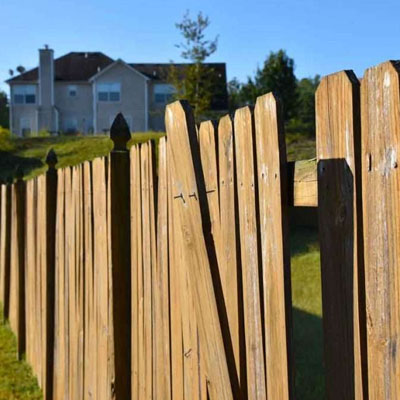
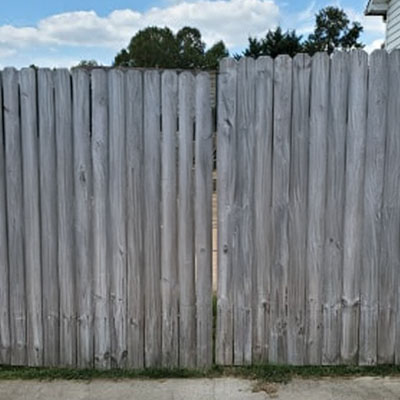
Natural wear and tear develops gradually as a fence responds to ongoing exposure and regular use. Finishes can fade under constant sunlight, hardware can show early signs of surface corrosion, and moving parts such as hinges can feel slightly less firm over time. These changes occur across years rather than months and do not usually affect the structural stability of the fence in the early stages. The fence continues to hold its alignment and function as intended, even as its appearance slowly softens.

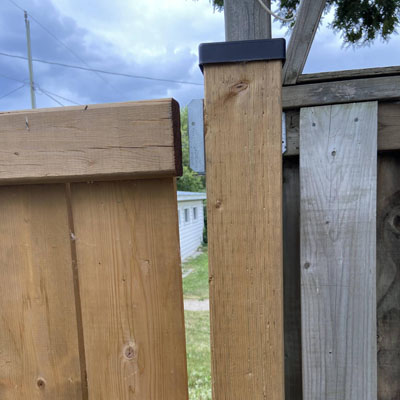
Timber can expand and contract with moisture changes, which may lead to minor surface checking as it ages. Gates can feel heavier as hinge pins wear, yet they should still open, close, and align correctly when installation was done properly. These changes are considered part of normal service life and are usually managed with maintenance rather than structural correction. When ageing follows this slow, even pattern, it rarely points to a failure in the original installation.

Signs of Poor Installation vs. Natural Wear and Tear

Signs That Often Point to Poor Installation

Some fencing issues develop far too quickly to be linked to natural ageing. These early faults often appear within the first year and tend to worsen at a steady pace, which usually points to setup problems at the time of installation.

  • Posts that lean within the first year, often caused by shallow footings, weak concrete support, or poor ground preparation.
  • Gates that drop or bind soon after install, which usually indicates incorrect hinge placement, poor post bracing, or misaligned frames.
  • Panels that rattle, shift, or flex excessively, often linked to inadequate fixings or incorrect spacing during setup.
  • Uneven fence height from the outset, which points to rushed installation, poor measuring, or inconsistent ground preparation.
  • Cracking around post bases early on, which often suggests weak concrete mix, poor curing, or water pooling at the footing.
  • Fasteners that loosen rapidly, usually linked to incorrect fixings for the material or overtightening during install.
Signs of Poor Installation vs. Natural Wear and Tear

When these problems appear early, they rarely settle on their own and usually continue to worsen with time. Addressing them quickly helps prevent further movement, alignment loss, and unnecessary strain on other parts of the fence.

How Ground Conditions Expose Installation Problems

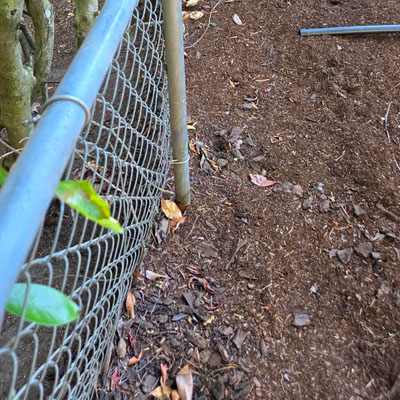
Ground conditions play a major role in how well a fence performs over time, and they often expose weaknesses in the original installation. In parts of Queensland, reactive clay soils expand when wet and shrink during dry periods, which places repeated pressure on post footings. When posts are not set to suitable depth or the concrete footing is too narrow, this movement can cause early leaning, twisting, or separation at joins. These changes tend to appear far sooner on poorly installed fences than on those built with correct ground preparation.

Drainage also influences long-term stability. Areas that hold water around post bases can weaken the surrounding soil and accelerate movement, especially after heavy rainfall. Poor runoff control can lead to soil washout, reducing lateral support and placing load on fixings that were never designed to carry it alone. When these ground-driven shifts happen early in the life of a fence, they often reveal installation shortcomings rather than age-driven wear.

Signs of Poor Installation vs. Natural Wear and Tear

Wear Issues That Are Often Misdiagnosed as Install Faults

Some fencing changes appear dramatic but are actually part of natural material response rather than a setup failure. These conditions often develop after several seasons and can be mistaken for poor installation when they are in fact driven by exposure and age.

Signs of Poor Installation vs. Natural Wear and Tear

These issues tend to appear later in the life of a fence rather than in the early months after installation. When wear follows these patterns, maintenance or targeted repairs are usually more appropriate than full structural correction.

Why Gates Show Faults Before the Rest of the Fence

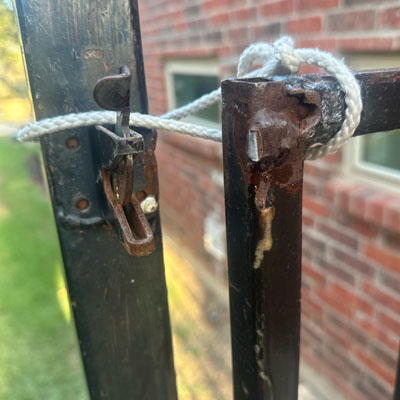
Gates carry constant load through their hinges and latching points, which makes them the most mechanically stressed part of any fence. Every opening and closing cycle applies downward force to the hinge side post and lateral force to the frame. If post depth, footing size, or hinge placement is even slightly off at installation, gates are usually the first area where movement becomes visible. This often appears as early sagging, latch misalignment, or contact with the ground during operation.

Natural wear also affects gates more quickly than fixed panels. Hinges experience ongoing friction, latches rely on precise alignment, and frames absorb repeated movement under load. Even well installed gates slowly change as hardware wears and materials respond to weather exposure. The key difference is in timing and progression, as natural wear develops gradually while installation faults often show noticeable change within the first year.

Signs of Poor Installation vs. Natural Wear and Tear

When Repairs Are Enough and When Replacement Is the Better Option

Not every fencing issue requires full replacement, and many problems can be corrected when they are identified early. The right path depends on whether the issue is localised or linked to broader structural faults across the fence line.

  • Post resets are suitable when isolated leaning is caused by local soil movement rather than widespread footing failure.
  • Gate realignment and hinge replacement can correct early sag when the frame and posts remain structurally sound.
  • Panel replacement works well when damage is limited to individual sections from impact, corrosion, or weather exposure.
  • Footing reinforcement may address minor movement where the post itself remains straight and undistorted.
  • Full fence replacement is usually required when there is widespread footing failure, consistent misalignment, or repeated movement across multiple sections.
Signs of Poor Installation vs. Natural Wear and Tear

Targeted repairs often extend the service life of a fence when the core structure remains intact. Replacement becomes the better option when movement patterns show that the original installation no longer provides the stability needed for safe long term use.

How Installation Faults and Natural Ageing Are Assessed

Assessment starts with checking alignment, post movement, and load distribution across the fence line. Early leaning, inconsistent heights, and stress at fixing points often indicate installation related issues rather than age driven change. Footing depth, concrete condition, and post stability are reviewed to determine whether movement is localised or structural. Gates receive close attention because hinge load and latch alignment often reveal the earliest signs of underlying problems.

Natural ageing is identified through uniform wear patterns that develop gradually across materials and hardware. Surface fading, slow hinge wear, and minor timber checking tend to appear evenly rather than in isolated failure points. By comparing movement speed, wear patterns, and structural response across the fence, it becomes clear whether the issue stems from early setup faults or long term exposure. This distinction guides whether correction or replacement is the most appropriate next step.

Signs of Poor Installation vs. Natural Wear and Tear

Talk to Northside Fencing About Fence Performance Issues

If a fence is showing movement, early wear, or alignment problems, a proper assessment can clarify whether the cause is installation related or linked to natural ageing. Contact Northside Fencing on (07) 3491 4100 or send an enquiry through the website to discuss practical fencing solutions built for long term stability.

FAQ: Poor Installation vs. Natural Wear

How long should a properly installed fence last?

A correctly installed fence should provide many years of reliable service when built with suitable materials and sound footings. Lifespan varies depending on exposure, soil conditions, and usage patterns, but early structural movement within the first year often points to installation faults rather than normal ageing.

Can a poorly installed fence be fixed without full replacement?

Some installation issues can be corrected through targeted repairs such as post resets, footing reinforcement, or gate realignment. When faults are isolated and caught early, full replacement may not be required. Widespread movement across multiple sections often makes replacement the better option.

Why do gates drop before the rest of the fence moves?

Gates carry constant load through hinges and latches, which places added strain on posts and fixings. Any weakness in footing depth, post stability, or hinge positioning tends to show in the gate first through sagging or misalignment.

How much fence movement is considered normal over time?

Minor movement over many years can occur as soil conditions change and materials respond to weather exposure. Sudden or early movement, especially within the first year, is not typical and often points to setup problems.

Does soil type affect how a fence performs?

Yes, soil conditions have a major impact on fencing stability. Reactive clay soils expand and contract with moisture changes, while poor drainage can weaken post support. Proper footing depth and ground preparation are critical for long term performance in these conditions.