How Coastal Conditions Affect Fence Lifespan

Living by the coast offers lifestyle benefits, but it also brings unique challenges for property maintenance. Fences in coastal areas are constantly exposed to conditions that shorten their lifespan. Salt air, high humidity, strong winds, and sandy soils all work against fencing materials, accelerating wear and reducing durability compared to inland properties.

For homeowners in Queensland’s bayside suburbs, Sunshine Coast, and Gold Coast, careful attention to material choice and maintenance routines is critical. By factoring in how coastal conditions influence fencing performance, you can make informed decisions that extend longevity, reduce repairs, and keep your boundary looking its best for years to come.
The Impact of Coastal Conditions on Fences

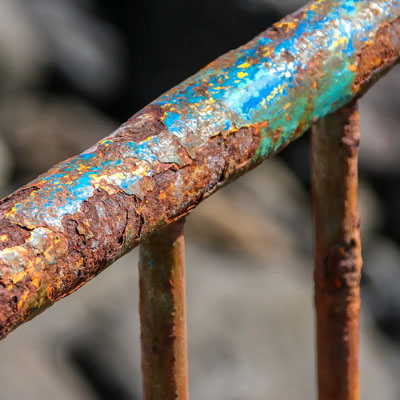
Salt air is one of the most damaging factors for fences near the ocean. The fine salt particles carried in the breeze cling to metal and coatings, leading to corrosion in steel, hardware, and even cheaper grades of aluminium. This constant exposure speeds up rust formation, especially in joints, hinges, and fasteners. Humidity and moisture add to the problem by allowing salt deposits to remain on surfaces for longer periods.

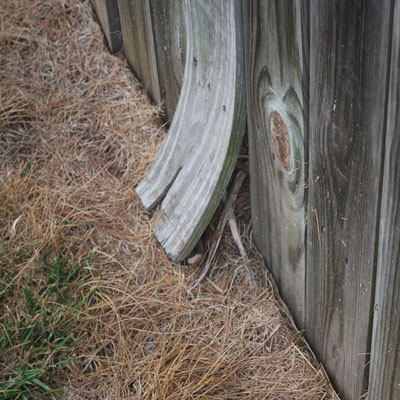
Timber is also vulnerable under coastal conditions. High humidity encourages warping, splitting, and decay, while constant moisture increases the risk of mould and fungal growth. In addition, sandy soils and strong winds can loosen posts, causing fences to lean or shift over time. These environmental pressures all contribute to a shorter fence lifespan, making material choice and upkeep even more important for coastal homeowners.

How Coastal Conditions Affect Fence Lifespan

Common Fence Problems in Coastal Areas

Fences installed near the coast face unique wear and tear compared to those further inland. The combination of salt air, high winds, and sandy soils accelerates damage, leading to maintenance issues much sooner than expected. Recognising these common problems helps homeowners plan for better materials and ongoing care.

  • Rust and corrosion develop quickly on steel posts, fittings, and hardware when exposed to salt particles carried in the breeze.
  • Powder-coated or Colorbond surfaces can fade, chalk, or lose their finish faster due to UV exposure and salt deposits.
  • Timber posts and rails often warp, split, or rot under constant humidity and moisture.
  • Sandy or shifting soils reduce stability, causing posts to loosen and sections of fence to lean.
  • Strong coastal winds put extra pressure on panels and gates, leading to structural strain and faster wear.
How Coastal Conditions Affect Fence Lifespan

These issues make it clear that coastal conditions shorten fence lifespan significantly. Addressing them with stronger materials and consistent upkeep is the best way to avoid costly repairs and premature replacements.

Best Fencing Materials for Coastal Properties

Not all fencing materials perform equally in coastal environments. Colorbond steel fencing is a popular option because it is non-combustible, low maintenance, and available with marine-grade coatings that resist corrosion from salt air. Its smooth surfaces also make it easy to rinse down, helping to prevent salt build-up that can shorten fence lifespan. Aluminium fencing is another strong choice. It does not rust, is lightweight yet durable, and can be powder-coated in a range of colours to suit different property styles.

Masonry and rendered block fences offer the highest level of durability in coastal locations. They are unaffected by rust or salt spray and provide long-term structural stability. While the upfront cost is higher, the longevity and minimal upkeep can make masonry one of the most cost-effective options over time. Composite or treated timber products can be used as well, but they require ongoing sealing and care to withstand humidity and moisture. By selecting materials designed for harsh conditions, coastal homeowners can extend fence lifespan and reduce the frequency of costly repairs.

How Coastal Conditions Affect Fence Lifespan

Maintenance Tips to Extend Fence Lifespan

Even the best materials will not last if they are not maintained. In coastal environments, regular care helps reduce the effects of salt, humidity, and strong winds. These practical steps can significantly increase fence lifespan and keep your boundary looking strong and well-presented.

  • Rinse metal and Colorbond surfaces with fresh water to remove salt deposits that accelerate corrosion.
  • Inspect posts, brackets, and fasteners regularly, replacing any parts that show signs of rust or weakness.
  • Apply protective sealants or stains to timber to slow moisture absorption and reduce the risk of rot.
  • Keep plants and garden beds away from fence lines to improve airflow and minimise moisture build-up.
  • Clear sand and debris from the base of fences so they do not trap water against posts and panels.
How Coastal Conditions Affect Fence Lifespan

By following these maintenance habits, coastal homeowners can extend the life of their fences and reduce the need for frequent repairs. Proactive care not only saves money over time but also helps maintain kerb appeal in demanding environments.

Professional Advice for Coastal Fencing

Coastal properties have unique conditions that require more than a standard approach to fencing. Professional fencing contractors understand how salt air, sandy soils, and constant wind exposure affect different materials over time. They can recommend the most suitable options, whether that means marine-grade Colorbond, aluminium, or masonry, based on your exact location and budget. Their expertise also helps identify risks such as unstable soils or poorly placed garden beds that could shorten fence lifespan.

Quality fence installation is just as important as material choice. Experienced installers know how to set deeper footings in sandy ground, use corrosion-resistant hardware, and apply protective coatings correctly. By relying on professional advice and workmanship, homeowners gain fences that stand up better to harsh coastal conditions, reduce the need for ongoing repairs, and protect property value well into the future.

How Coastal Conditions Affect Fence Lifespan

Stronger Fencing Solutions for Coastal Living

Coastal living brings its own set of challenges, and fencing is no exception. Salt air, humidity, and strong winds all work to shorten fence lifespan, but the right combination of materials, design, and maintenance can keep your boundary strong for years. By taking coastal conditions into account, homeowners can protect their investment and avoid the cycle of premature repairs and replacements.

At Northside Fencing, we design, supply, and install fencing built to withstand Queensland’s harsh coastal environments. From marine-grade Colorbond to aluminium and masonry, we provide solutions that balance durability with style. To arrange a free consultation or quote, call us today on (07) 3491 4100 or get in touch with us online.

Frequently Asked Questions About Coastal Fencing

What fence lasts the longest near the beach?

Masonry and rendered block fences offer the longest lifespan in coastal environments. Among lighter options, marine-grade Colorbond and aluminium fencing are highly durable when properly maintained.

Does Colorbond last in coastal areas?

Yes. Colorbond is suitable for coastal conditions, especially when specified with marine-grade coatings. Regular rinsing with fresh water helps remove salt deposits and extend its life.

How do you stop a fence from rusting in salt air?

Choose non-rusting materials like aluminium, or ensure steel is galvanised or powder-coated for extra protection. Rinsing with fresh water and replacing corroded fittings early also reduces long-term damage.

Are aluminium fences good for coastal properties?

Aluminium fences are an excellent choice for coastal areas. They are lightweight, resistant to rust, and available in powder-coated finishes that withstand salt exposure and UV rays.

How often should a fence be maintained near the coast?

Coastal fences benefit from monthly rinsing to remove salt build-up, along with annual checks for hardware, coatings, and timber treatments. Regular care significantly extends fence lifespan.