Storm Preparation: Strengthening and Securing Your Fence

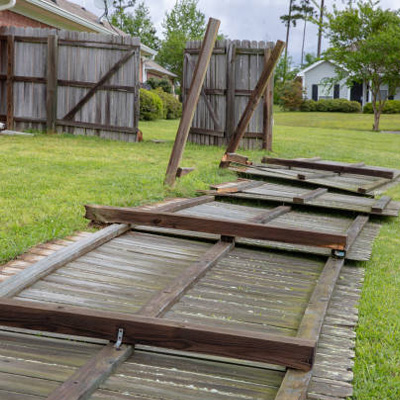
High winds, driving rain, and airborne debris can cause serious damage to fences, potentially leading to costly repairs or a complete collapse. By taking proactive measures such as reinforcing key structural elements, choosing more resilient materials, and inspecting for damage after each storm, you can keep your fence standing strong and secure. Below are practical guidelines for fortifying your fence against the elements and maintaining its stability year-round.

Assessing Fence Condition Before Storm Season

A thorough inspection is the first step to knowing how much work your fence may need. Begin by walking the entire perimeter, checking for loose or missing boards, rusted or corroded hardware, and any signs of insect or water damage. Pay special attention to areas where moisture collects, as standing water often leads to rot or warping. If you notice cracked boards, large gaps, or wobbly rails, they’ll need repair or replacement before storm season hits.

Don’t overlook the importance of post stability, since fence posts bear the brunt of high winds and heavy rain. Give each post a gentle shake to gauge how firmly it’s set in the ground. Leaning or unsteady posts suggest the possibility of deeper foundational issues, such as erosion or rotting at the base. Identifying and addressing these concerns ahead of time prevents minor problems from escalating once severe weather rolls in.

Fence Storm Preparation

Reinforcing Fence Posts and Rails

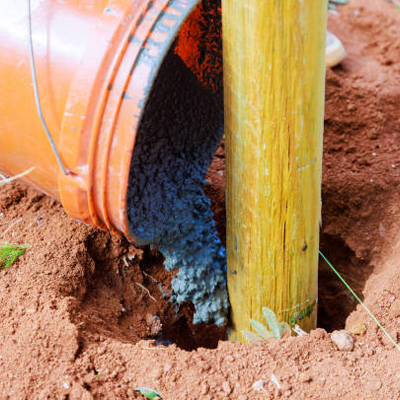
Fence posts are the backbone of the entire structure, so reinforcing them is crucial for storm resilience. If any posts are unstable, consider resetting them in fresh concrete footings. Sometimes, adding metal post anchors or cross-bracing can provide the added support needed to withstand strong gusts. In high-wind regions, corner braces or diagonal supports help distribute wind pressure across multiple points, reducing stress on any single post.

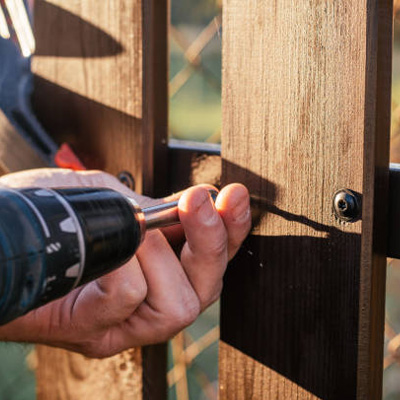
Rails also deserve a close look. Damaged or sagging rails compromise the fence’s overall stability, making it more vulnerable in extreme weather. Replace sections that show signs of decay or splitting, and tighten any hardware connecting rails to the posts. Using galvanized or stainless-steel brackets prevents corrosion over time, maintaining a solid connection between components. Reinforcing these key elements ensures your fence can handle gusts and debris without bending or breaking.

Fence Storm Preparation

Choosing Storm-Resistant Materials

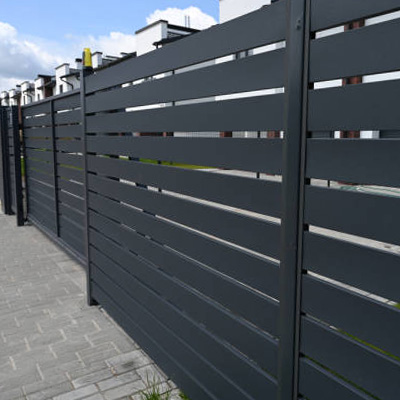
Selecting strong, durable materials can significantly reduce fence damage during severe weather. Steel and aluminium fencing systems are commonly used in storm-prone areas due to their strength, resistance to moisture, and ability to withstand repeated wind loading when installed correctly. These materials are far less affected by prolonged rain and humidity and retain their structural integrity over time.

In higher-exposure locations, corrosion-resistant metals and powder-coated steel provide additional protection against surface degradation and long-term wear. Just as important as the fence material itself is the hardware used to secure it. Galvanised fixings, rust-resistant hinges, and heavy-duty latches all play a critical role in keeping fence panels and gates firmly in place during high winds.

Local climate and weather patterns should always guide material selection. In areas that experience frequent storms, heavy rainfall, or strong gusts, investing in fencing systems designed for these conditions can help prevent premature failure and reduce the need for repeated repairs. A fence built with storm resistance in mind stands a far better chance of enduring extreme weather events year after year.

Fence Storm Preparation

Clearing the Fence Line

A cluttered fence line can act like a magnet for storm damage. Debris, lawn equipment, or décor stored against the fence adds unnecessary weight and may break loose during severe weather, causing further damage. Make sure to remove anything leaning on, hanging from, or stored in close contact with the fence. Keeping the base area clear also reduces moisture buildup, helping to prolong the fence’s lifespan.

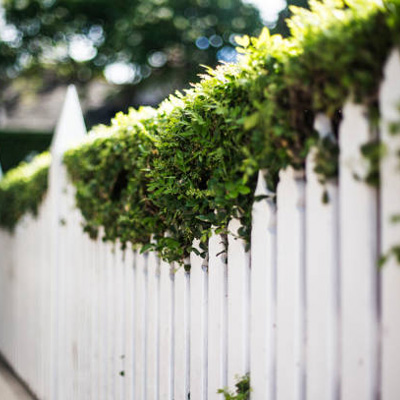
Vegetation management is equally important. Tree branches that hang directly over or next to the fence can snap off during high winds, turning into projectiles or falling heavily onto the structure. Consider trimming them back to prevent destructive impacts. Similarly, dense shrubs or vines might trap moisture against wooden boards, leading to rot. Simple steps like pruning foliage and maintaining good airflow around the fence can shield it from many storm-related problems.

Fence Storm Preparation

Post-Storm Inspection and Repairs

Your fence’s condition after a major storm can offer valuable insights into its overall durability. Once it’s safe to head outside, walk the perimeter again, looking for new cracks, missing boards, or bent hardware. Pay attention to any leaning sections or wobbly posts; these suggest damage below the surface that might not be immediately visible. Quick fixes can prevent small issues from escalating and keep the fence as a reliable barrier.

Even if your fence appears mostly unscathed, minor damage should still be addressed to maintain structural integrity. A single board that’s come loose or a latch that’s slightly bent could fail completely during the next storm. Tightening hardware, replacing damaged sections, and re-securing posts or rails solidify your fence for future extreme weather. Addressing problems sooner rather than later helps avoid costly and more extensive repairs down the line.

Fence Storm Preparation

Working with Professionals for the Best Results

Although many homeowners can handle basic storm preparations, consulting with experts provides a level of detail and assurance that’s hard to replicate. Professional fencing contractors, like our team at Northside Fencing, are trained to spot subtle vulnerabilities that can weaken a fence during high winds or heavy rain. With their guidance, you gain personalized solutions based on property layout, local climate, and fence material choices.

Partnering with professionals often includes advice on reinforcing foundations, installing upgraded hardware, and applying coatings or finishes that improve storm resistance. Having specialists oversee these steps can prove invaluable, especially if you’re dealing with a large yard, complex terrain, or existing damage from previous storms. The result is a fence equipped to resist the elements, giving you peace of mind when storm clouds gather.

Fence Storm Preparation

Storm-Proof Your Fence for Lasting Peace of Mind

Taking proactive steps to strengthen and secure your fence can greatly reduce the threat of storm damage. By assessing and reinforcing posts and rails, choosing durable materials, and clearing the fence line of debris and encroaching vegetation, you create a barrier capable of standing up to harsh weather. Following each storm, a thorough inspection and timely repairs keep your fence in top shape. And if the process feels overwhelming, professional help is always an option; ensuring that a well-prepared fence not only weathers the storm but continues to protect and enhance your property for years to come.

If you are concerned about your fences ability to stand up to the violent storm season we often experience across South East Queensland, get in touch with Northside Fencing on (07) 3491 4100 or by clicking here. Our decades of experience are at your disposal so you can rest easy when those winds begin to pick up.