Warping Fence Problems? Here’s How to Fix Them for Good

Few things make a fence look tired and unstable faster than warping. Homeowners across Queensland often notice their timber panels twisting, leaning, or pulling away from posts within only a few years of installation. While this might seem like a minor problem at first, warping usually gets worse over time and can compromise both the strength and appearance of the entire structure.

Many people attempt quick fixes when they see the first signs of movement, but these solutions rarely hold for long. Once a fence starts warping, the damage tends to spread until full replacement becomes unavoidable. Choosing a long-term solution with durable materials not only prevents ongoing frustration but also ensures your boundary remains secure and visually appealing for years.

Why Do Timber Fences Warp?

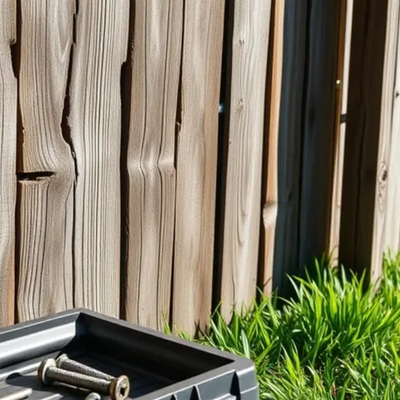
Timber is the most common fencing material to suffer from warping, especially in Queensland’s climate. High humidity and seasonal rain cause timber to swell, while hot, dry weather makes it shrink. This ongoing cycle of expansion and contraction leads to twisting, bowing, and panels pulling away from posts. Water pooling at the base of posts also accelerates rot and instability, making the problem worse.

Material quality and installation practices play a major role as well. Lower-grade or untreated timber is far more likely to warp, while shallow or uneven post footings allow movement over time. Even fences built from better timber are vulnerable if they are not suited to local conditions or installed with long-term stability in mind. This is why timber fencing, although popular, often develops visible warping much sooner than alternatives such as Colorbond or aluminium.

Warping Fence Problems? Here’s How to Fix Them for Good

Common Signs of a Warping Fence

A warped timber fence rarely happens overnight. Instead, small changes appear that gradually affect the strength, stability, and appearance of the boundary. Spotting these signs early helps homeowners decide whether to pursue temporary fixes or plan for full replacement.

  • Panels twisting or bowing: Boards may appear curved or uneven, pulling the fence line out of alignment.
  • Gates not closing properly: Warped panels or shifted posts can throw hinges out of position, making gates stick or drag.
  • Leaning or sagging sections: Parts of the fence may tilt forward or back as posts loosen in the soil.
  • Cracks or gaps forming: Timber splits and gaps appear between boards as they expand and contract unevenly.
  • Loose rails or fixings: Screws, nails, and brackets may pull away from the timber as it twists under pressure.

These problems often start small but rarely improve on their own. Once warping takes hold, the structure weakens further with each season, making replacement the most effective long-term solution.

Warping Fence Problems? Here’s How to Fix Them for Good

Why Repairs Don’t Last

Homeowners often try to repair a warped timber fence by bracing, re-screwing, or adding temporary supports. While these efforts may hold for a short time, they rarely solve the underlying issues. Once timber begins to twist and bend, the natural movement continues with each change in weather. Even if panels are straightened, the next season of rain or heat often brings the problem back.

The cost of repeated repairs adds up quickly and can become more expensive than replacement in the long run. Warping usually affects multiple posts and rails over time, not just one section, which means patching one area only delays the inevitable. For most properties, replacing a warped fence with a stronger material such as Colorbond fencing or aluminium is a more reliable and cost-effective solution than constant maintenance.

Warping Fence Problems? Here’s How to Fix Them for Good

Long-Term Replacement Options

When a timber fence starts to warp, the most reliable solution is replacement. Choosing modern, durable materials eliminates the ongoing cycle of repairs and provides a boundary that will last in Queensland’s climate. These options balance strength, style, and low maintenance, giving homeowners better value in the long run.

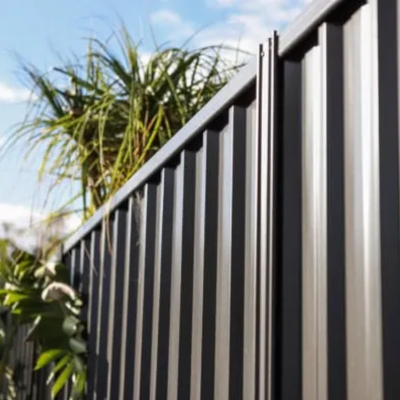
  • Colorbond Steel: Resistant to warping, rust, and pests, Colorbond is one of the most durable fencing choices. It also comes in a wide range of colours to match different property styles.
  • Aluminium Fencing: Lightweight yet strong, aluminium does not warp or rot. Powder-coated finishes protect against corrosion, making it well suited to humid or coastal areas.
  • Masonry and Block Walls: These offer unmatched durability and stability. While the initial investment is higher, they provide long-lasting performance and a premium appearance.

Replacing a warped timber fence with one of these alternatives ensures long-term stability and removes the need for constant patchwork repairs. Investing in quality fencing materials not only improves durability but also adds lasting value to the property.

Warping Fence Problems? Here’s How to Fix Them for Good

Building a Fence That Stays Straight

Replacing a warped timber fence with modern materials is only effective if the installation is done correctly. Posts must be set to the proper depth, footings need to be stable, and hardware should be corrosion-resistant to withstand Queensland’s climate. Professional fencing contractors understand these requirements and ensure each element of the build supports long-term durability. This level of detail prevents the same problems from recurring and gives homeowners confidence in the investment.

A replacement fence is also an opportunity to improve more than just structural stability. Professional installers can recommend designs that increase privacy, improve property appearance, or better suit sloping ground. By combining expert workmanship with quality materials, homeowners gain a fence that not only resists warping but also adds value to the property. Choosing professional installation means the new fence will be built to last rather than facing the same issues as before.

Warping Fence Problems? Here’s How to Fix Them for Good

Straightening Out Your Fencing Problems

Warped timber fences are a common problem for Queensland homeowners, but patching and quick fixes only delay the inevitable. Once timber begins to twist and weaken, the structure will continue to deteriorate with every season. The most reliable way to restore strength, stability, and appearance is to replace warped timber with modern, durable materials such as Colorbond, aluminium, or masonry.

At Northside Fencing, we specialise in supplying and installing fences that withstand Queensland’s harsh conditions. Our team builds replacements that solve the problems of timber warping while adding privacy, security, and style to your property. Call us today on (07) 3491 4100 or get in touch with us online to arrange a free consultation and quote.

Frequently Asked Questions About Warping Fences

What causes timber fences to warp in Queensland?

Timber expands and contracts with changes in humidity and temperature. Over time this movement causes boards to twist, bow, or split. Poor drainage and shallow post footings make the problem worse.

Can a warped timber fence be repaired?

Minor warping can sometimes be braced temporarily, but once timber starts twisting the problem usually continues. Repairs are short-term and often cost more than replacement in the long run.

Which fences don’t warp?

Colorbond steel, aluminium, and masonry fences do not warp under Queensland’s climate conditions. These materials resist moisture movement and remain straight and stable for decades.

Is Colorbond better than timber for preventing warping?

Yes. Colorbond is a steel product that does not expand or contract in the same way as timber. It remains stable in humidity and heat, making it a popular replacement choice for warped timber fences.

How much does it cost to replace a warped fence in Queensland?

The cost depends on material, height, and length, but homeowners often save money in the long term by replacing timber with more durable options. Northside Fencing provides quotes tailored to each property.