Does Colorbond Fencing Rust?

Colorbond fencing is made from coated steel, so it is designed to resist corrosion under normal outdoor conditions. The protective coating helps shield the steel underneath, which is one reason Colorbond fence panels are commonly used for residential boundaries across Brisbane, the Sunshine Coast and the Moreton Bay region.

That does not mean rust is impossible. A Colorbond fence can develop rust if the protective surface is scratched, cut edges are left exposed, moisture is trapped against the panels or the fence is exposed to harsh conditions without basic care. In most cases, Colorbond fence rust is linked to damage, poor drainage or material sitting against the lower sections of the fence rather than the panels simply failing on their own.
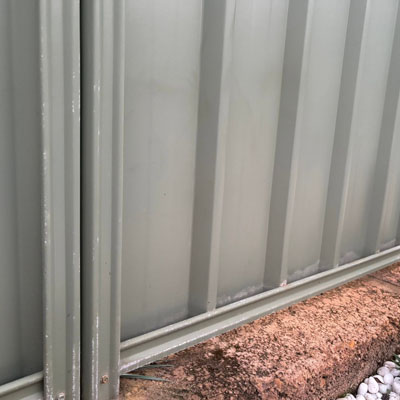
What Can Cause Rust on a Colorbond Fence?

Rust usually develops when the protective surface of a Colorbond fence is damaged or when moisture is allowed to sit against the fencing for long periods. The panels are designed for outdoor use, but the surrounding conditions and installation details still affect how well the coating performs over time.

  • Scratches or impact damage: Exposed marks from tools, branches, equipment or debris can weaken the protective finish if they are not dealt with early.
  • Cut edges or exposed steel: Any exposed metal edge can increase the risk of fence corrosion, especially where moisture is present.
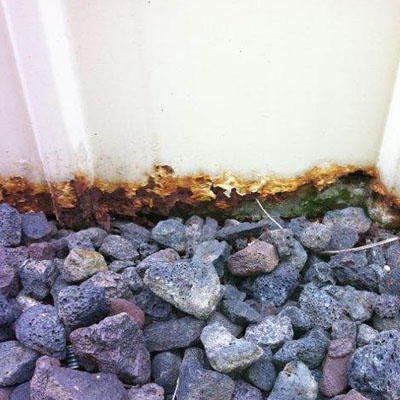
  • Soil or mulch against panels: Built-up garden material can hold moisture against the lower sections of Colorbond fencing.
  • Poor drainage near the fence line: Water pooling around posts, rails or panels can increase the chance of rust developing at the base of the fence.
  • Salt air and harsh exposure: Coastal conditions can place more pressure on steel fencing, particularly where salt, dust or debris is left sitting on the surface.
  • Incorrect fixings or mixed metals: Incompatible hardware can create corrosion problems when it reacts with the fence material over time.

Most cases of rust on Colorbond fence panels are linked to localised damage, trapped moisture or site conditions rather than the entire fence failing at once. Checking these risk areas early can help stop small problems from spreading across the fence line.

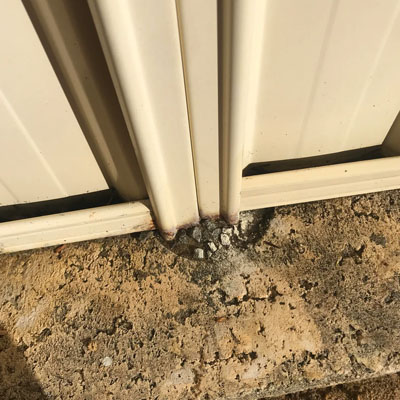
Does Colorbond Fencing Rust - Rusted colorbond fence

Soil, Garden Beds and Moisture Around the Fence

Soil, mulch and garden beds should not be built up directly against the lower sections of Colorbond fencing. These materials can hold moisture against the panel surface, bottom rail or posts, especially after rain or irrigation. When the fence cannot dry properly, the risk of a Colorbond fence rusting increases around the areas that stay damp for longer.

This is a common issue where garden beds are added after the fence has already been installed. Raised soil levels, wet mulch, dense planting and poor drainage can all place pressure on the lower parts of a Colorbond fence. Keeping the fence line clear, allowing water to drain away and using proper retaining or garden edging where needed can help reduce trapped moisture and support better Colorbond fence maintenance over time.

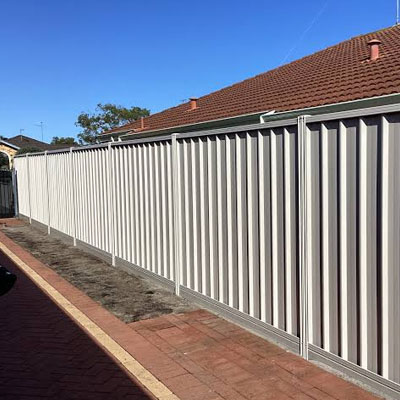
Does Colorbond Fencing Rust - Moisture around fence

Coastal and Exposed Conditions

Coastal air, strong sun, wind and regular weather exposure can place more pressure on Colorbond fencing over time. Salt, dust and debris can settle on the surface, especially around rails, posts and sheltered sections where rain may not wash the fence down naturally. These conditions do not mean a fence will rust straight away, but they do make regular cleaning more important.

Properties near the Sunshine Coast, Moreton Bay or other exposed areas may need closer attention to washdowns, scratches and surface build-up. Homeowners comparing materials for harsher locations may also want to look at fencing for coastal environments before choosing between Colorbond fencing, aluminium, tubular steel or other options.

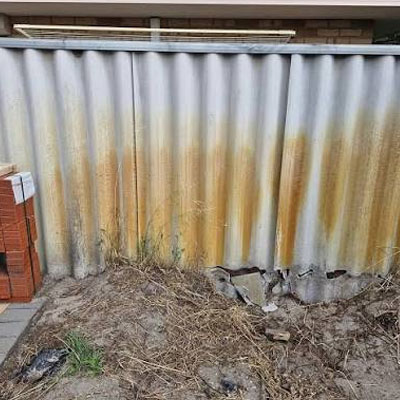
Does Colorbond Fencing Rust - Rusted fence post

Cleaning and Maintaining a Colorbond Fence

Basic cleaning can help reduce the risk of rust on a Colorbond fence, especially where dust, salt, garden debris or moisture sits on the surface for long periods. A periodic washdown with clean water can help remove build-up from panels, posts, rails and lower sections of the fence. Areas that are sheltered from rain may need closer attention because they are less likely to be naturally rinsed during wet weather.

Colorbond fence maintenance should also include checking for scratches, dents, damaged edges and material built up around the base of the fence. Small marks or exposed areas should be dealt with early before moisture has a chance to affect the steel underneath. Keeping soil, mulch and vegetation away from the fence line also gives the panels room to dry properly after rain or irrigation.

Does Colorbond Fencing Rust - Maintenance

When a Rusting Colorbond Fence May Need Replacing

Not every rust mark means a Colorbond fence needs to be replaced. A small isolated spot may come from a scratch, trapped debris or moisture sitting against one part of the fence. In those cases, the first step is usually to clear the area, check the surface and stop the same issue from continuing.

Replacement becomes more likely when rust is no longer isolated. Warning signs can include:

  • Rust across multiple panels, especially where the issue keeps spreading after cleaning.
  • Corrosion near the base of the fence, where soil, mulch or drainage problems have affected lower sections.
  • Damaged or weakened posts, particularly if the fence is also leaning or moving.
  • Panels that are dented, loose or breaking down, making small repairs less practical.
  • Older fencing with repeated issues, where replacing the affected section may give a cleaner result than ongoing patch repairs.

When rust is part of a wider fence problem, replacing damaged Colorbond fence panels may be more practical than trying to keep repairing sections that are already deteriorating.

Does Colorbond Fencing Rust - Colorbond fence replacement

Talk to Northside Fencing About Colorbond Fencing

Rust risk is easier to manage when Colorbond fencing is installed correctly, kept clear of trapped moisture and matched to the conditions around the property. Northside Fencing can help with new Colorbond fence panels, replacement fencing, DIY supply and installation across Brisbane, the Sunshine Coast and the Moreton Bay region.

Contact Northside Fencing on (07) 3491 4100 or send an enquiry online to discuss Colorbond fencing options for your property.

FAQ

Colorbond fencing is designed with a protective coating to resist corrosion, but rust can still occur if the surface is damaged or moisture is trapped against the fence. Scratches, exposed edges, poor drainage, soil build-up and harsh exposure can all increase the risk of rust over time.

Rust on a Colorbond fence is usually linked to damaged coating, cut edges, incorrect fixings, trapped moisture or material sitting against the lower panels. Garden beds, mulch, wet vegetation and poor drainage can also contribute if the fence cannot dry properly.

Soil and mulch should be kept away from Colorbond fencing where possible. Built-up garden material can hold moisture against the panels, rails or posts, which may increase the risk of corrosion around the lower parts of the fence.

Colorbond fencing can be used in many exposed areas, but coastal conditions can make maintenance more important. Salt air, wind, dust and moisture can sit on the surface, so regular washdowns and checks for scratches or trapped debris are useful around coastal properties.

Basic Colorbond fence maintenance includes washing the fence down with clean water, clearing debris from rails and lower sections, keeping soil and vegetation away from the panels and checking for scratches or damaged edges. Small issues are easier to manage when they are dealt with early.

Replacement may be worth considering when rust appears across multiple Colorbond fence panels, the lower sections are badly affected, posts are damaged or the fence is also leaning, loose or difficult to maintain. Small isolated rust spots may not require replacement, but wider corrosion can point to a bigger issue.