What to Check Before Buying DIY Fence Panels

Buying DIY fence panels is not just a matter of choosing a style and measuring the boundary. The panels need to work with the right posts, rails, caps, fixings, gates and accessories, otherwise the order can quickly become difficult to install or incomplete once work begins.

For homeowners planning a DIY fencing project, the material order is one of the most important parts of the job. Checking compatibility, measurements, gate openings, delivery access and supplier support before buying can help avoid delays, mismatched parts and unnecessary return trips for missing components.

Start With the Fence Type and Material System

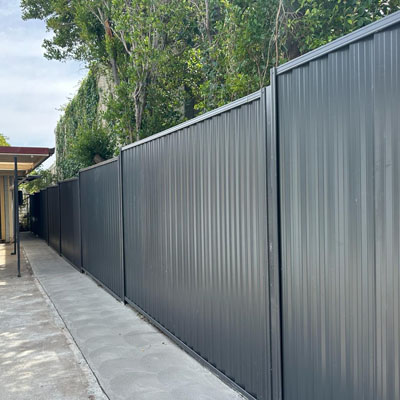
Different fencing systems use different components, so the first decision should be the type of fence being ordered. Colorbond fencing, tubular steel fencing, aluminium fencing and timber-look steel fencing all require materials that suit that specific system. Panels, posts, rails, caps, brackets and fixings are not always interchangeable between fence types.

Choosing the fence type first makes the rest of the material order more accurate. A solid boundary fence may need a different post and rail setup from an open tubular fence, while gates may require stronger posts, hinges and latch hardware than standard fence sections. Treating the materials as one complete system helps avoid mismatched parts and makes the installation process more straightforward once everything arrives on site.

What to Check Before Buying DIY Fence Panels - Colorbond fence panels

Check That All Components Are Compatible

DIY fencing materials need to fit together as a complete system. Even small differences in profile, spacing or fixing style can create problems during installation, so each part of the order should be checked against the fence type being used.

  • Panels and posts need to suit the same fencing system, including the panel height, profile and post spacing.
  • Rails, channels and caps should match the panel type so the fence finishes cleanly and connects correctly.
  • Screws, brackets and fixings need to suit the selected materials rather than being chosen as generic hardware.
  • Gate frames and hinges may require stronger support than standard fence sections, especially for wider openings.
  • Latch hardware and accessories should be checked before ordering so gates can function properly once installed.
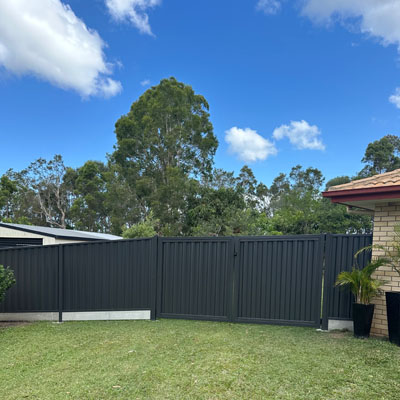
What to Check Before Buying DIY Fence Panels - Ensure component compatibility

Checking compatibility before buying helps reduce the risk of missing parts, weak connections or materials that do not suit the way the fence is being built. This is especially important when panels, gates and accessories are being ordered together as one DIY fencing package.

Why Buying From a Fencing Manufacturer Can Help

Buying DIY fencing materials from a fencing manufacturer can make the order more reliable because the components are supplied as part of a known system. Instead of trying to match panels, posts, rails, caps and fixings from different sources, customers can order materials that are designed to work together from the beginning.

This also gives DIY customers access to practical product knowledge before the materials are delivered. A manufacturer can help check whether the selected fencing type suits the property, whether gate openings need different components and whether the order includes the parts required for a complete installation. This reduces the risk of mismatched materials, missing hardware or delays once the project is underway.

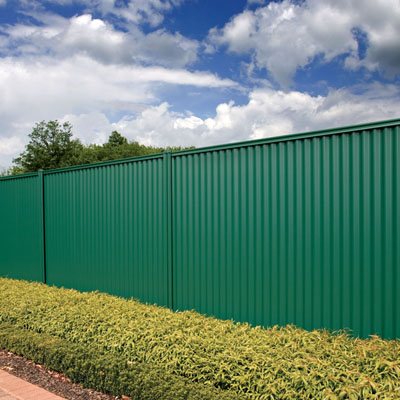
What to Check Before Buying DIY Fence Panels - Fence supplies bought from manufacturer

Measure for Panels, Gates and Returns Before Ordering

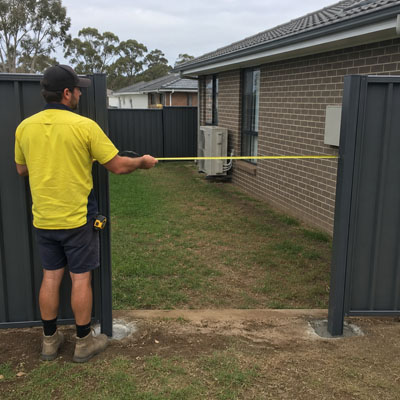
Measurements need to account for more than the total length of the fence line. Corners, returns, gate openings, changes in direction and end points all affect how many panels, posts and accessories are needed. A straight boundary is usually simpler to order for, while layouts with side access, driveway gates or multiple returns need more careful planning.

Gate openings should be measured and allowed for before the panel order is finalised. This helps avoid ordering too many standard panels or leaving the wrong amount of space for pedestrian gates, driveway gates or access sections. Clear measurements also make it easier for the supplier to check whether the selected materials suit the layout before the order is manufactured or delivered.

What to Check Before Buying DIY Fence Panels - Accurate measurements before ordering

Common Items Missed When Ordering DIY Fence Materials

Even when the main panels and posts are ordered correctly, smaller items can be easy to overlook. These missing parts can delay the project because the fence may not be able to be finished, secured or adjusted properly without another trip or follow-up order.

  • Extra fixings, especially where panels need to be cut, adjusted or secured around corners and end points.
  • Post caps and finishing pieces, which are often noticed only once the main structure is already in place.
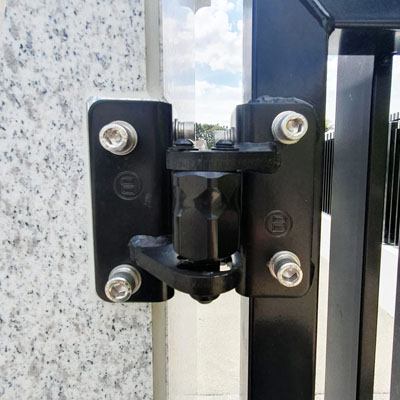
  • Gate hardware, including hinges, latches and support components that may not be included with standard fence panels.
  • Corner or end components, which may be needed where the fence changes direction or finishes against another structure.
  • Concrete or footing materials, where posts need to be set correctly before panels can be installed.
What to Check Before Buying DIY Fence Panels - Gate hardware

Checking for these items before delivery helps keep the material order complete. It also reduces the chance of having panels on site without the smaller components needed to finish the fence properly.

Delivery, Handling and Site Access

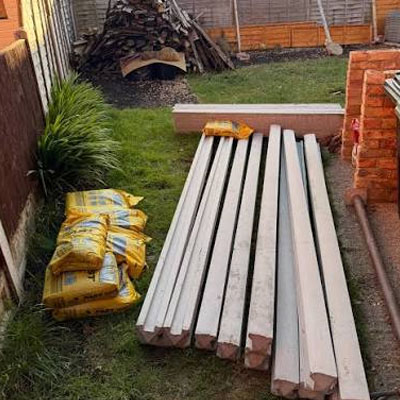
DIY fencing materials can be long, heavy and awkward to move, so delivery access should be checked before the order is finalised. Panels, posts, rails and gates may need enough room for unloading, temporary storage and safe handling once they arrive on site. Tight driveways, narrow side access or limited street parking can affect how materials are delivered and where they can be placed.

Ordering the full material package together also helps keep the project organised. When panels, posts, fixings and gate components arrive in one coordinated order, it reduces the chance of delays caused by missing parts or separate pickup trips. Planning delivery properly is especially useful for larger boundary runs or DIY projects across Brisbane, the Sunshine Coast and the Moreton Bay region.

What to Check Before Buying DIY Fence Panels - Assessing access for material delivery

Talk to Northside Fencing About DIY Fencing Materials

Getting advice before ordering DIY fencing materials can help avoid mistakes that are difficult to fix once everything has been delivered. Northside Fencing can help check whether the selected fence type suits the layout, whether the measurements allow for gates and returns, and whether the order includes the correct posts, rails, caps, fixings and hardware.

Northside Fencing supplies DIY fencing materials across Brisbane, the Sunshine Coast and the Moreton Bay region, with products matched to the fencing system being ordered. Contact Northside Fencing on (07) 3491 4100 or get in touch with us online to discuss DIY fencing materials for your property.

FAQ: Buying DIY Fence Panels

What should I check before buying DIY fence panels?

Before buying DIY fence panels, check the fence type, total length, panel height, gate openings, posts, rails, caps, fixings and delivery access. The materials need to suit the same fencing system so the order arrives with the right components for the project.

Can I buy DIY fencing materials without professional installation?

Yes, DIY fencing materials can be supplied for homeowners who want to install the fence themselves. The important part is ordering materials that suit the fence type, layout and gate requirements before work begins.

Why is it important to buy compatible fencing components?

Compatible components help the fence fit together correctly. Panels, posts, rails, caps, screws and gate hardware are not always interchangeable between fencing systems, so mixing parts from different sources can create installation problems.

Can DIY fence panels be delivered to my property?

DIY fencing materials can usually be delivered to site, depending on access and order size. Delivery should be planned before ordering because panels, posts, rails and gates can be long, heavy and awkward to move once they arrive.

Is it better to buy DIY fence panels from a fencing manufacturer?

Buying from a fencing manufacturer can help reduce the risk of mismatched parts or missing components. It also gives homeowners access to product knowledge before ordering, which can be useful when checking panels, posts, gates, fixings and accessories.