Timber-Look Fence vs Colorbond: Which Suits Your Home?

Two Steel Fencing Options With Different Looks

When comparing timber-look fencing and Colorbond fencing, the decision usually comes down to the type of finish you want around the home. Both options sit within the broader steel fencing category, but they create very different results once installed. Colorbond fencing is often chosen for clean privacy, simple boundary definition and a consistent panel finish across side and rear fences.

Timber-look steel fencing is still built around steel panel construction, but it brings a warmer visual style into the property. It can suit homes where the fence is more visible from the street, forms part of an outdoor design or needs to match gates and screening more closely. Rather than treating one option as better than the other, the right choice depends on where the fence is being installed and what the homeowner wants it to achieve.
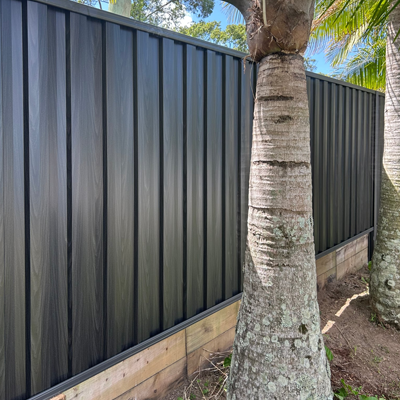
Appearance and Street Appeal

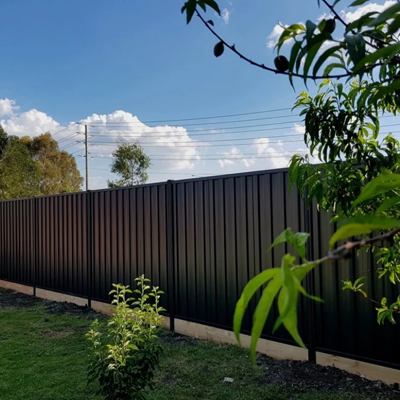
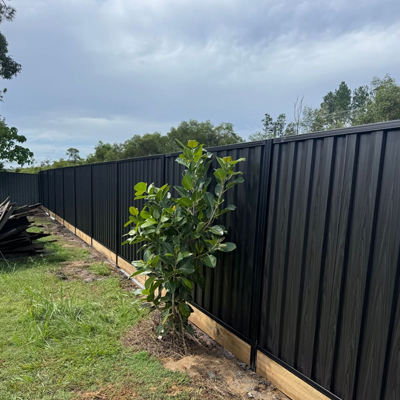
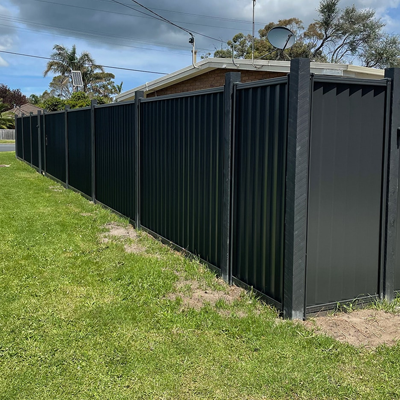
Colorbond fencing gives a clean and simple finish that works well when the fence needs to define the boundary without becoming a major design feature. Its solid panel style can suit side and rear boundaries, but it can also work across frontages where the goal is a neat, uniform fence line with a colour that ties in with the home exterior.

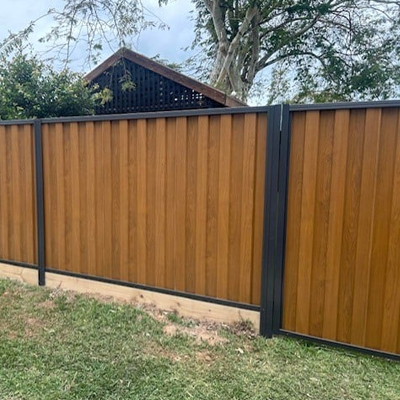
Timber-look fencing creates a warmer finish and can feel more like part of the outdoor design. The timber-style surface can suit front boundaries, driveway entries, outdoor entertaining areas and screening sections where the fence is more visible. For homes where street appeal is a priority, timber-look steel fencing can provide a more feature-focused appearance while still using steel panel construction.

Timber-Look Fence vs Colorbond - Colorbond fence promoting outstanding street appeal

Privacy and Boundary Use

Both options can provide privacy, but they tend to suit different parts of the property. Colorbond fencing is often the more straightforward choice for long side boundaries, rear fences and areas where the main goal is to block views between neighbouring properties. Timber-look fencing can also provide privacy, but it is often selected where the fence is more visible and needs to contribute to the overall outdoor design.

  • Side and rear boundaries: Colorbond fencing is well suited to longer boundary runs where privacy, consistency and clear separation are the main priorities.
  • Front fencing: Timber-look steel fencing can suit front boundaries where the fence needs to create privacy while still adding warmth and street appeal.
  • Screening areas: Timber-look fence panels can work well around outdoor entertaining areas, patios and side access spaces where the finish is part of the visual layout.
  • Neighbouring properties: Colorbond fencing provides a solid barrier where direct views between homes, yards or service areas need to be reduced.
  • Entry points: Both options can be planned around driveway and pedestrian gates, but the right choice depends on whether privacy or design continuity is more important at the entrance.

The best option may also change across the same property. A home may use Colorbond fencing alongside boundaries for privacy, then use timber-look steel fencing near the front or outdoor areas where appearance carries more weight.

Matching Gates and Screening

Gates and screening can change how both fence styles are used around the property. Colorbond fencing works well when the goal is to keep the boundary clean, private and consistent, especially across side access areas, service zones and rear yards. Matching gate panels can continue the same solid look where privacy is the main priority.

Timber-look steel fencing can be a stronger choice when gates and screening are part of the home’s visible design. A matching driveway gate, pedestrian gate or privacy screen can carry the same timber-style finish across different parts of the property, which helps the outdoor areas feel more connected. This can work particularly well around front entries, entertaining spaces and modern home designs where the fence is not just a boundary.

Timber-Look Fence vs Colorbond - Timber-look fence matching gate style

Maintenance and Long-Term Appearance

Both Colorbond fencing and timber-look steel fencing are chosen partly because they avoid many of the upkeep demands associated with natural timber. They do not need staining or painting in the same way timber boards often do, but the finish still needs to be treated properly. Regular cleaning, keeping soil and garden material away from the lower sections and dealing with scratches or damage early can all help protect the surface over time.

Long-term appearance is also influenced by colour, exposure and where the fence is installed. A darker Colorbond fence may create a strong modern look, while lighter colours can feel softer across longer boundaries. Timber-look fencing adds more visual texture, so it can be useful where the fence is part of the home’s outdoor presentation rather than only a dividing line. In both cases, the best result comes from choosing a finish that suits the property and the conditions it will face.

Timber-Look Fence vs Colorbond - Timber-look fence supporting long term appearance goals

Cost, Layout and Site Practicality

The practical choice between Colorbond fencing and timber-look steel fencing can come down to the size and complexity of the project. A long, straight fence line has different cost and material considerations from a shorter feature section with gates, returns, corners or screening panels. The more complex the layout becomes, the more important it is to check how the selected fence system works with posts, hardware and access points.

Budget also needs to be weighed against the areas that will have the greatest impact on daily use and overall presentation. Some homes need a simple, consistent Colorbond fence across large boundary sections, while others may benefit from a more detailed timber-look fencing layout where the fence interacts with gates, outdoor areas or the home exterior. Looking at the full site plan helps narrow the choice before materials, colours and profiles are selected.

Timber-Look Fence vs Colorbond - Timber-look fence

Talk to Northside Fencing About Colorbond and Timber-Look Fencing

Choosing between Colorbond fencing and timber-look steel fencing is easier when the layout, gate requirements, frontage and surrounding outdoor areas are reviewed together. Northside Fencing can help compare suitable fence materials, finishes and gate options for residential properties across Brisbane, the Sunshine Coast and the Moreton Bay region.

Contact Northside Fencing on (07) 3491 4100 or get in touch online to discuss Colorbond fencing, timber-look fencing and matching gate options for your home.

FAQ: Timber-Look Fencing vs Colorbond Fencing

No. Timber-look fencing and Colorbond fencing are both steel-based fencing options, but they create different finishes. Colorbond has a clean, solid panel appearance, while timber-look steel fencing is designed to provide a warmer timber-style look.

Both options can provide privacy when installed as solid fence panels. Colorbond fencing is often used for long side and rear boundaries where privacy is the main goal, while timber-look fencing may be selected where privacy also needs to work with the home’s outdoor design.

The better choice depends on the style of the home and how visible the fence will be from the street. Timber-look steel fencing can work well where the front fence is part of the home’s presentation, while a Colorbond fence may suit properties wanting a simpler, more uniform frontage.

Yes, both fencing styles can be used on the same property when different areas need different outcomes. Colorbond fence panels may suit longer boundary runs, while timber-look fencing can be used around gates, screening areas or more visible sections.

Timber-look steel fencing avoids many of the upkeep demands linked with natural timber, such as staining or painting timber boards. Like Colorbond fencing, it still needs basic care, including cleaning and keeping soil or garden material away from lower sections.

Yes. Gates can be matched to both Colorbond fencing and timber-look steel fencing, depending on the layout and access point. Matching driveway gates, pedestrian gates and screening elements can help create a cleaner, more consistent finish across the property.