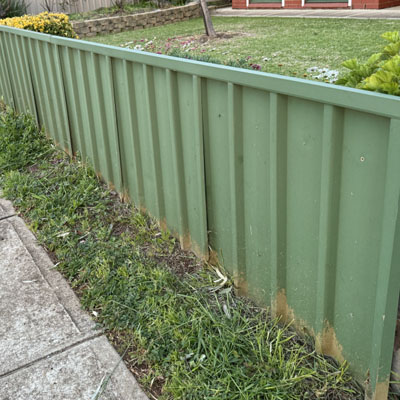
FAQ: Factors Impacting Fencing Lifespans
How long should a fence last?
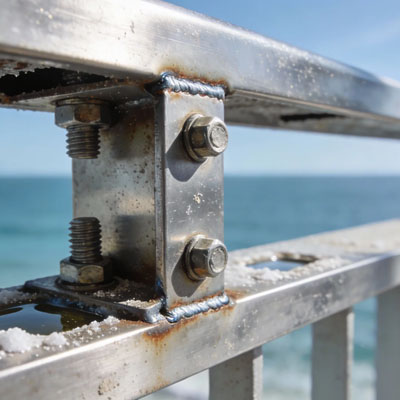
Fence lifespan depends on the material, installation quality, site conditions, exposure, maintenance, and how often gates are used. A well-built fence in a suitable location will usually last longer than one exposed to poor drainage, soil movement, coastal air, or heavy daily use.
What type of fencing lasts the longest?
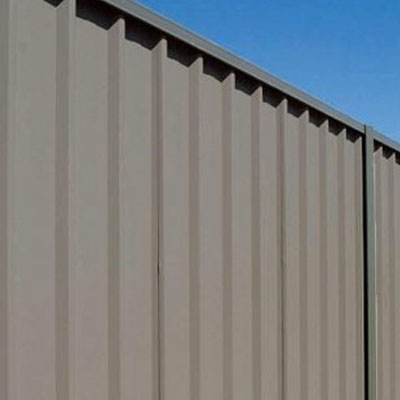
There is no single answer because different fencing types suit different conditions. Colorbond steel, aluminium, timber-look steel, tubular steel, and palisade fencing can all perform well when matched to the right site and installed correctly.
Can poor installation shorten the life of a fence?
Yes, poor installation can reduce fence lifespan significantly. Shallow footings, weak gate support, incorrect post spacing, and poor alignment can lead to leaning sections, loose panels, dragging gates, and movement along the fence line.
Do gates wear out faster than fence panels?
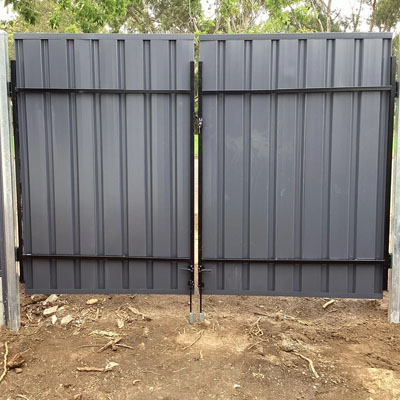
Gates often show wear earlier because they move, carry weight, and rely on hinges, latches, posts, and frames to stay aligned. Larger driveway gates and automated gates need the right support to maintain reliable operation over time.
When should a fence be replaced instead of repaired?
Replacement may be more practical when damage is widespread, posts are failing, gates keep dropping, corrosion is visible across multiple sections, or the fence no longer suits the property. Small isolated issues can often be repaired, but repeated problems usually point to a larger lifespan issue.