What Makes a Fence Storm-Ready? How to Build for Harsh Weather

Queensland’s storm season brings bursts of high wind, intense rain, and saturated ground that reveal weaknesses in fencing quickly. Panels can rack, posts can shift in softened soil, and poorly fixed hardware can loosen under repeated gusts. A storm-ready fence is planned and built to resist these failures through correct footing depth, stable foundations, and hardware that does not corrode. The goal is a boundary that stays upright, aligned, and secure when conditions are at their worst.

Storm performance is a construction choice, not a coincidence. Results improve when post spacing suits the panel system, concrete footings are sized for the soil, and drainage prevents waterlogging around the base. Material selection also plays a role, since steel, aluminium, and masonry respond differently to wind load and standing water. If you are replacing a fence ahead of summer storms, focus on these build details so your investment protects the property across many seasons.
How Storms Stress Fences in Queensland

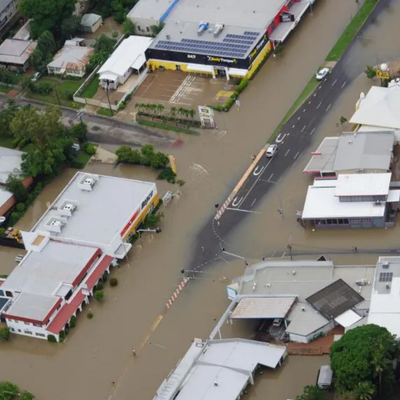
Summer storms hit fences from several directions at once. Wind loads push and pull on panels, creating racking forces that loosen rails and fixings. Gusts change direction quickly, so posts are stressed back and forth rather than in one consistent lean. Heavy rain saturates soil around footings, reducing grip and allowing posts to shift. Debris can strike mid-span sections, adding impact stress to panels that are already under pressure from wind.

Soil conditions amplify these effects. Reactive clays swell when wet and shrink as they dry, which moves shallow footings out of alignment. Sandy soils near bayside suburbs drain quickly but offer less hold on posts unless footings are sized correctly. Low points on a block collect water around bases, and poor drainage keeps timber wet and accelerates decay. A fence that copes well in dry weather can fail during a single storm if footing depth, hardware quality, and drainage have not been planned for Queensland conditions.

What Makes a Fence Storm-Ready? How to Build for Harsh Weather

Key Features of a Storm-Ready Fence

Queensland storms expose every weak point in a fence, so strength comes from specific build choices rather than one single material. The aim is to keep posts anchored, panels braced, and water away from the base so the structure stays upright when wind and rain arrive.

  • Correct post depth and spacing. Posts should be set deep enough for the soil type and fence height, with spacing matched to the panel system to limit racking under gusts.
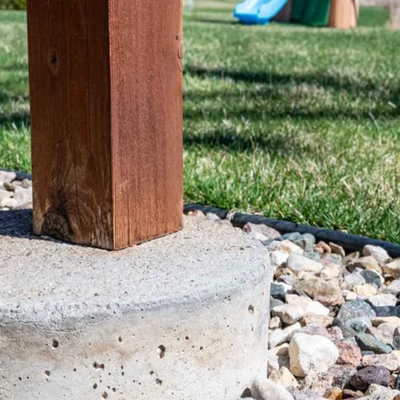
  • Solid footings with quality concrete. Footings sized to local wind region and soil conditions prevent rotation in saturated ground and reduce post movement after heavy rain.
  • Corrosion-resistant fixings and brackets. Hot-dipped galvanised or stainless hardware keeps rails tight and panels secure when moisture and salt are present.
  • Rigid panels that still allow controlled flex. Interlocking steel panels or well-braced frames resist deformation while tolerating gust-by-gust loading without cracking.
  • Effective drainage around every post. Gravel collars, falls away from the footing, and scupper or ag-pipe solutions move water out of the zone that weakens soil grip.
  • Materials suited to wind and moisture. Steel, aluminium, and masonry hold shape in storms, while treated timber should be kept out of standing water and isolated from soil where possible.
  • Shorter sections and reinforced corners. Breaking long runs with posts or returns reduces sail effect, and corner bracing helps the fence resist torsion.
  • Thoughtful height and layout. Extra-tall panels increase wind load; sizing to site exposure and stepping on slopes lowers stress on posts.
What Makes a Fence Storm-Ready? How to Build for Harsh Weather

Choosing these features at design time turns a standard fence into a storm-ready installation. The result is a boundary that keeps its line, protects outdoor areas, and avoids the cycle of emergency repairs after every summer storm.

Post Footings: The Foundation of Storm Performance

When storms arrive, fences fail first at the base. Footings set too shallow cannot resist rotation when wind pushes on the panels and rain softens the surrounding soil. Correct depth, diameter, and concrete quality give posts the grip they need to stay upright, even as gusts change direction and water builds around the holes.

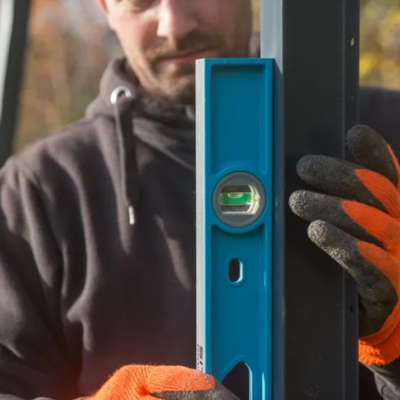
Soil type sets the rules for footing design. Reactive clays require deeper, wider footings to counter swelling and shrinkage, while sandy soils need greater diameter or belled bases to prevent posts from slewing under load. Clean, well-compacted holes, properly mixed concrete, and true post alignment lock the structure together. Get the footings right and the rest of the fence has a stable platform to perform during storm season.

What Makes a Fence Storm-Ready? How to Build for Harsh Weather

Best Materials for Storm-Resistant Fencing

Material choice affects how a fence behaves when wind and rain arrive. The goal is strength without excessive weight, fixings that keep their hold, and surfaces that do not degrade when exposed to water. These options perform reliably across Queensland conditions when installed correctly.

  • Colorbond steel panels: Interlocking profiles create a continuous skin that resists racking. Coated steel shrugs off rain, and solid posts with correct spacing keep panels aligned during gusts.
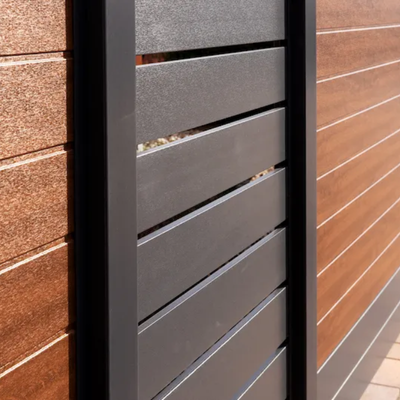
  • Aluminium slat systems: Lightweight but stiff, aluminium does not rust and allows some airflow between slats. Powder-coated finishes reduce upkeep while maintaining a modern appearance.
  • Masonry or block elements: Short sections or piers add mass at corners and gates. Combined with steel posts, they lower deflection and help anchor long runs.
  • Steel posts over timber posts: Galvanised or powder-coated steel posts keep their shape in saturated soils and hold fixings under load. They also avoid rot at ground level.
  • Corrosion-resistant hardware: Stainless or hot-dipped galvanised screws, brackets, and post shoes keep rails tight and prevent movement as panels flex in wind
What Makes a Fence Storm-Ready? How to Build for Harsh Weather

Using storm-capable materials reduces failure points and extends service life. Pair these choices with correct footing design and you have a fence that stays straight, secure, and low-maintenance through the peak of the season.

Design Choices That Improve Storm Performance

Good design reduces the wind load a fence must carry and helps the structure release pressure safely. Breaking long runs with intermediate posts or returns lowers the sail effect and prevents panels from acting like a single large surface. Shorter sections around corners and gates reduce twisting forces, and aligning panels with prevailing winds can lessen the number of direct hits during a storm. On sloping sites, step the fence rather than raking it so each panel bears load evenly and posts remain true.

Airflow also plays a role. Slatted sections near the top of a boundary or small vent gaps in non-critical areas can bleed pressure without sacrificing security. Keep fence height appropriate to exposure since very tall panels collect more wind and stress posts excessively. Position gates with sturdy hinge and latch hardware, and place heavier features close to braced posts or masonry piers. Plan clear drainage paths along the line so water does not pond at bases or wash out fresh soil after heavy rain.

What Makes a Fence Storm-Ready? How to Build for Harsh Weather

Storm Damage Red Flags: When Replacement Is the Safe Option

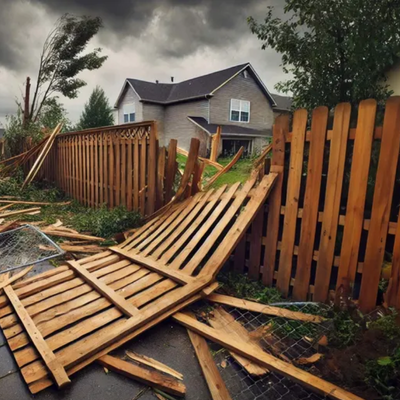
After a severe weather event, small defects can hide bigger structural problems. A quick visual check along the full fence line helps decide whether repair is sensible or if replacement is the safer investment.

What Makes a Fence Storm-Ready? How to Build for Harsh Weather

If two or more of these issues appear together, replacement is usually the safest option. A new, storm-ready build restores structural integrity and prevents ongoing emergency fixes every summer.

Built to Ride Out the Next Storm

Storm-ready fencing is the result of clear choices: solid footings, the right posts, corrosion-resistant hardware, and layouts that release pressure rather than collect it. When these details come together, the fence stays upright, panels keep their line, and you avoid the cycle of patch repairs after every summer squall. If your current boundary shows red flags such as leaning posts or loose rails, planning a replacement before the season peaks is the safer and more cost-effective path.

Northside Fencing designs and installs fences that perform in Queensland weather. We match materials, footing depth, and layout to your site so the result is strong, tidy, and low-maintenance. Call (07) 3491 4100 or get in touch with us online to book a storm-ready assessment and quote.

Frequently Asked Questions About Storm-Ready Fencing

How deep should fence posts be for storm conditions?

Depth depends on fence height and soil. As a guide, many installs use one-third of post length in ground with wider diameters in reactive clay or sandy soils. An on-site assessment sets final depths.

Do taller fences perform worse in storms?

Extra height increases wind load on posts and rails. Where privacy is important, pair sensible height with closer post spacing, stronger footings, and reinforced corners.

Can an existing fence be upgraded for storm season?

Some fences can be improved with re-setting posts, larger footings, bracing at corners, and corrosion-resistant fixings. If posts are rotted or footings have failed, replacement is usually safer.

Which materials hold up best in wind and heavy rain?

Colorbond steel, aluminium slats, and steel posts perform reliably when installed with quality hardware and concrete footings. Masonry piers at corners add stiffness for long runs.

Is timber fencing a good option for storm-exposed sites?

Timber can work with proper post treatment and drainage, but it is more prone to swelling, rot, and movement. Steel posts with Colorbond or aluminium panels are lower maintenance in storms.

What should I check after a severe storm?

Look for leaning posts, gaps opening at footings, loose rails, rattling panels, cracked timber, and rust around connections. If two or more issues appear, plan a replacement assessment.

Do I need council approval to replace a fence before storm season?

Height limits, boundary rules, and corner block sightlines can apply. Most like-for-like replacements under standard heights proceed without approval, but local conditions vary. Northside can advise.

How often should storm-exposed fences be maintained?

Rinse panels to remove grime, clear soil away from bases, and tighten any accessible fixings at least once a year. Schedule a full inspection before summer storms.