What Causes Some Colorbond Fences to Fade Faster Than Others

Colorbond fencing is engineered for Australian conditions and is widely chosen for its durability, consistent finish, and long-term performance. When installed correctly, it delivers reliable protection against weather exposure while maintaining its appearance over many years. Despite this, colour change can occur at different rates from one property to another, which often leads to questions about why some fences appear to fade sooner than others.

These differences are usually linked to environmental exposure rather than the fencing itself. Sun intensity, heat build-up, airborne particles, and surrounding conditions all influence how surfaces age over time. As a result, fences exposed to harsher or more sustained conditions can present visible variation earlier, even while remaining fit for purpose and performing exactly as intended.
Built-In UV Resistance in Colorbond Fencing

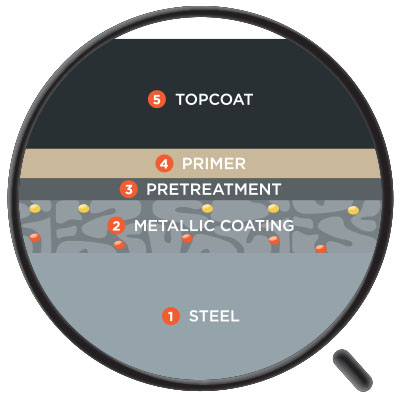
Colorbond fencing uses a factory-applied, multi-layer coating system developed for prolonged outdoor exposure. This system includes corrosion protection, a primer layer, and a baked-on exterior finish that provides colour stability under Australian sun conditions. The coating is applied under controlled conditions to deliver consistent thickness and adhesion across each panel, which supports uniform performance over time.

UV resistance is built into the coating system so colour change occurs gradually rather than suddenly. This slow, even shift is a normal characteristic of pre-finished steel products exposed to sunlight year after year. When fences are installed correctly and remain intact, the coating continues to protect the steel beneath, even as surface appearance changes incrementally with long-term exposure.

What Causes Some Colorbond Fences to Fade Faster Than Others

Sun Orientation and Daily Exposure Differences

Not all sections of a fence receive the same level of sunlight throughout the day. Differences in orientation and duration of exposure can influence how quickly surface colour changes become noticeable, even across the same fence line.

  • North-facing sections receive consistent sunlight for much of the day, which increases cumulative UV exposure over time.
  • West-facing runs are subjected to intense afternoon sun, often combined with higher heat levels late in the day.
  • Extended summer exposure places more load on exposed panels compared with areas shaded for part of the day.
  • Seasonal sun angles can concentrate exposure on specific sections that remain exposed year after year.
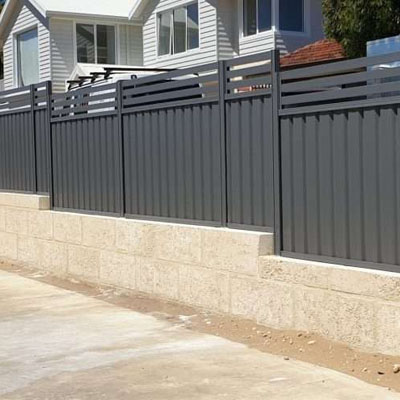
Why some Colorbond fences show colour change sooner

These exposure differences help explain why colour variation can appear uneven across a property. Panels experiencing higher and more sustained sun contact tend to show visible change earlier, even when the fencing remains intact and continues to perform as intended.

Colour Choice and Heat Absorption

Colour selection influences how much heat a fence absorbs during daily exposure. Darker colours tend to absorb more heat, which increases surface temperature and places greater thermal load on the coating over time. Lighter colours reflect more sunlight, which helps keep surface temperatures lower and can slow the rate at which visible change develops. With Colorbond available in a wide range of colour options, selection often balances appearance preferences with exposure conditions.

Repeated heating and cooling cycles also affect how colour presents over long periods. Panels exposed to higher temperatures expand and contract more noticeably, which can make gradual colour shifts easier to see on darker finishes. This does not indicate a loss of protection or performance, but it does explain why some colour choices may show change earlier depending on exposure conditions.

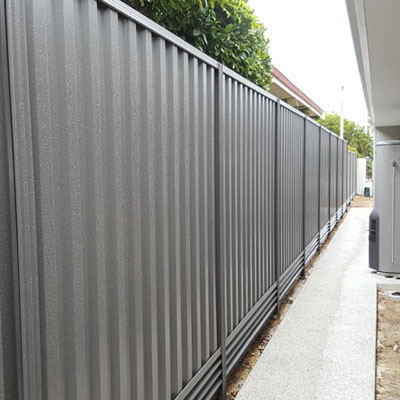
Factors that affect how quickly Colorbond fence colours fade

Environmental Factors That Influence Colour Longevity

Colour performance is also affected by the conditions surrounding the fence, not just sun exposure alone. The local environment plays a role in how quickly surfaces accumulate wear and how visible colour change becomes over time.

  • Coastal salt exposure, where airborne salt settles on surfaces and increases surface wear if not washed away periodically.
  • Wind-borne grit and dust, which can lightly abrade the finish during strong or frequent wind events.
  • Traffic and industrial pollutants, including exhaust particles that settle on fencing near roads or built-up areas.
  • Reflected heat from paving or walls, which increases surface temperature beyond direct sunlight alone.
Reasons colour fading appears uneven across Colorbond fencing

These factors tend to act gradually and unevenly across a property. Fences exposed to harsher local conditions may show visible change sooner, even though the underlying coating system continues to protect the steel as designed.

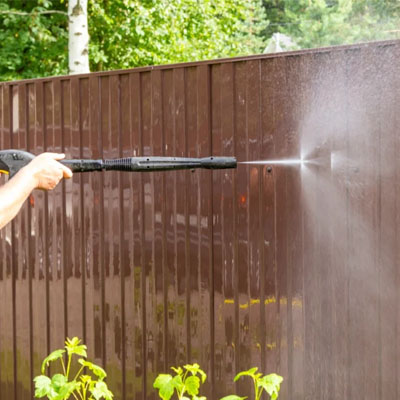
Maintenance and Washdown Practices That Support Colour Performance

Routine care plays a role in how evenly a fence surface ages over time. While Colorbond is designed to perform outdoors, some simple fence maintenance helps reduce the build-up of materials that can accelerate visible change.

  • Dirt and residue build-up, which can hold moisture and airborne particles against the surface.
  • Salt deposits in coastal areas, where regular washdown helps limit surface wear from prolonged exposure.
  • Infrequent cleaning, allowing pollutants to remain in contact with the coating for extended periods.
  • Use of harsh cleaning methods, which can affect the finish if abrasive products are applied.
  • Seasonal washdown timing, where gentle cleaning after high exposure periods supports surface consistency.

These practices do not prevent natural ageing, but they help manage how evenly it occurs. Simple, periodic care can reduce localised wear and support long-term colour consistency across the fence line.

How exposure conditions influence Colorbond fence colour longevity

What Colour Change Does and Does Not Mean

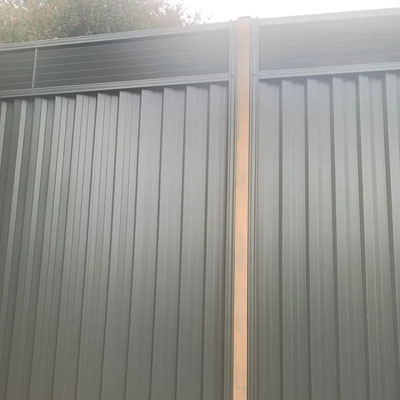
Visible colour change is a normal characteristic of pre-finished steel products exposed to outdoor conditions over long periods. It reflects gradual surface ageing rather than a loss of protection, and it does not mean the coating has failed. The protective layers beneath the surface continue to shield the steel from corrosion and weather exposure, even as appearance shifts incrementally with time.

Colour variation should also be distinguished from structural performance. A fence can remain straight, secure, and fully functional while showing differences in tone between panels or sections. These changes are cosmetic in nature and occur at different rates depending on exposure, colour choice, and surrounding conditions, without affecting the fence’s ability to perform its role as a durable boundary or barrier.

Understanding why Colorbond fence colours fade at different rates

Talk to Northside Fencing About Colour Performance and Placement

If colour longevity is a priority, fence layout, colour choice, and exposure conditions all play a role in the final outcome. Contact Northside Fencing on (07) 3491 4100 or submit an enquiry through the website to discuss placement, colour options, and design choices that suit local conditions.

Colorbond Colour Performance FAQs

Does Colorbond fencing fade over time?

Gradual colour change can occur as part of normal surface ageing in outdoor conditions. This process is expected over long periods and does not indicate a loss of protection or structural integrity.

Do darker Colorbond colours change appearance faster than lighter ones?

Darker colours absorb more heat, which can make gradual change more noticeable in high-exposure locations. Lighter colours reflect more light and may present a more uniform appearance for longer in similar conditions.

Is colour change covered under warranty?

Colorbond warranties account for natural ageing and performance expectations under typical exposure. Warranty coverage focuses on product integrity rather than cosmetic variation caused by environmental factors.

Does coastal exposure affect colour performance?

Coastal environments can influence surface wear due to salt in the air. Regular washdown helps limit residue build-up and supports more even ageing in these locations.

What helps keep Colorbond fencing looking consistent over time?

Thoughtful colour selection, appropriate placement, and periodic gentle cleaning all contribute to even surface ageing. These steps help manage how appearance changes across the fence line without affecting performance.