Common DIY Fencing Mistakes to Avoid

DIY Fencing Starts With the Right Materials

Many DIY fencing mistakes begin before a post hole is dug. The fence may be planned properly in theory, but problems can start when the wrong DIY fence panels, posts, rails, fixings or gate components are ordered for the system being installed. Once materials arrive on site, even small compatibility issues can slow the job down or leave sections unable to be fitted correctly.

A good DIY fencing project starts with a complete material order that matches the fence type, layout and access points. Colorbond fence panels, tubular fencing components, gate hardware and supporting posts all need to be selected as part of the same system rather than treated as separate items. Getting the DIY fencing materials right from the beginning makes the installation process more practical and helps reduce delays caused by missing or mismatched parts.
Ordering Panels Without Checking the Full Fence System

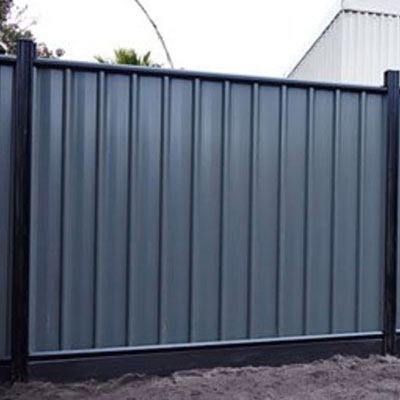
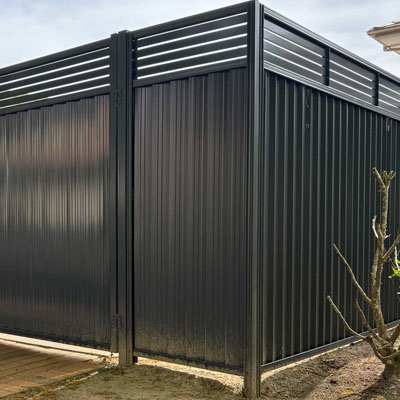
One of the most common DIY fencing mistakes is buying panels first and assuming the rest of the order can be worked out later. DIY fence panels need to match the correct posts, rails, channels, caps, screws and finishing pieces for the fencing system being used. If those parts are not checked before ordering, the panels may arrive without the components needed to install them properly.

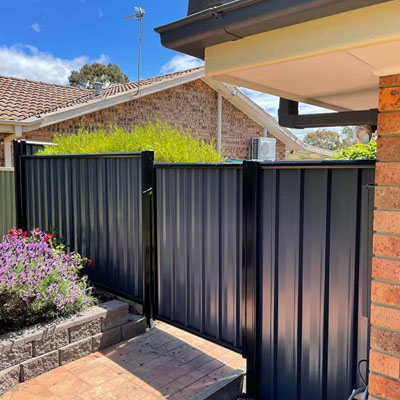
This is especially important with Colorbond fencing, where panel sizes, rails, posts and fixings all need to suit the same system. A fence order should be treated as a complete package, not just a stack of panels. Checking the full materials list before purchase helps avoid delays, extra pickup trips and compatibility issues once the fencing materials are already on site.

Common DIY Fencing Mistakes to Avoid - Colorbond Fence Panels

Measuring the Boundary Too Roughly

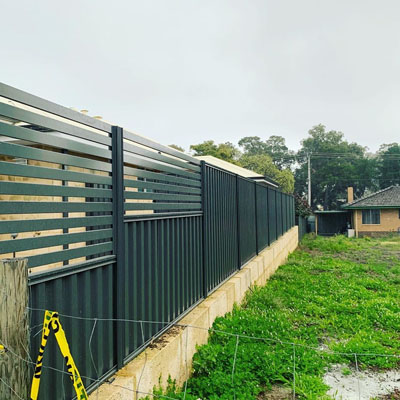
Rough measurements can lead to the wrong number of DIY fence panels, missing posts or awkward gaps at the end of the run. A boundary that looks simple may still include corners, returns, gate openings, changes in direction or sections that need to finish against an existing wall, fence or structure. These details affect the material order before installation starts.

Before ordering DIY fencing materials, it is worth checking the layout in sections rather than relying on one total length. Key measurements usually include:

  • Full fence length, including each straight run rather than one rough overall figure.
  • Corners and returns, where extra posts, channels or finishing pieces may be needed.
  • Gate openings, including pedestrian gates, driveway gates and any wider access points.
  • End points, such as where the fence finishes against a house, retaining wall or existing boundary.
  • Panel spacing, so Colorbond fence panels or other systems are ordered to suit the actual layout.

Accurate measurements make it easier to order the right fencing materials before the job begins. They also give the supplier a better chance to spot issues with panel quantities, gate openings or missing components before the order is manufactured, packed or delivered.

Common DIY Fencing Mistakes to Avoid - Ensuring accurate measurements

Mixing Materials From Different Suppliers

Mixing panels, posts, rails and fixings from different sources can create problems because not every fencing product is made to the same profile or specification. A post that looks suitable may not match the panel depth, a rail may not sit correctly, or a fixing may not suit the material being installed. These issues can turn a simple DIY fencing job into a frustrating install before the fence line is even finished.

Buying from a fencing manufacturer can help reduce this risk because the materials are supplied as a matched system. For DIY customers, this means DIY fencing materials can be checked for compatibility before delivery, including panels, posts, rails, accessories and gate components. It also gives the buyer a clearer point of contact if they need advice on quantities, material selection or whether the order suits the fence type being installed.

Common DIY Fencing Mistakes to Avoid - Multiple supplier order

Underestimating Gates, Posts and Hardware

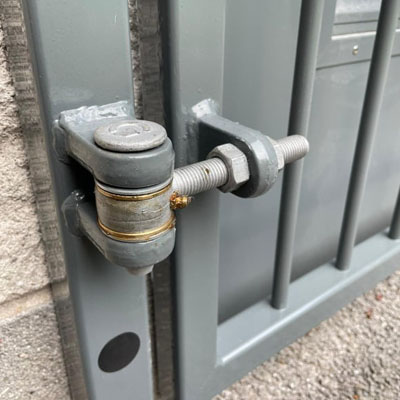
Gates are often where DIY fencing orders become more complicated. A standard fence panel does not carry the same movement, weight or daily use as a pedestrian gate or driveway gate, so the surrounding posts and hardware need to be selected for the opening. Ordering standard materials without allowing for gate requirements can lead to weak support, poor alignment or a gate that becomes difficult to use.

The main issue is not just the gate itself, but the parts around it. Heavier posts, suitable hinges, latch hardware, frame support and clearance all need to be considered before the fencing materials are ordered. This is especially relevant when buying Colorbond fence panels or other DIY fence panels as part of a larger boundary project, because the gate section may need different components from the rest of the fence line.

Common DIY Fencing Mistakes to Avoid - Underestimating gates and supporting structure

Forgetting Delivery and Handling Before the Order Arrives

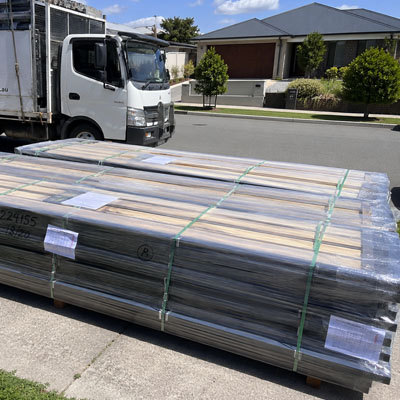
Delivery can affect a DIY fencing project before installation starts. Fence panels, posts, rails and gates can be long, heavy or awkward to move, so access needs to be considered before the order is placed. Tight driveways, limited street parking, narrow side access or steep entry points can all affect where the materials are unloaded and how easily they can be moved into position.

Ordering through a supplier that offers fence delivery can also make the project easier to manage. When the full DIY fencing materials package arrives together, including panels, posts, fixings and gate components, there is less chance of the job being delayed by separate pickup trips or missing items. This is especially useful for larger orders, including Colorbond fence panels, where handling and storage need to be planned before the materials reach site.

Common DIY Fencing Mistakes to Avoid - DIY Fencing delivery

Choosing Price Without Checking Material Value

Price is always part of a DIY fencing decision, but the cheapest order is not always the best value if the materials are incomplete, mismatched or difficult to install. A good deal should still include panels, posts, fixings and accessories that suit the fencing system being used. Saving money on the initial order can quickly lose its value if extra parts need to be sourced later or sections have to be adjusted because the materials do not fit correctly.

This is where buying from a supplier with strong product knowledge can make a difference. Northside Fencing manufactures and supplies fencing materials, including Colorbond fence panels, with options suited to DIY customers who want reliable materials at competitive prices. The goal is not just to buy panels cheaply, but to get the right DIY fence supply for the job so the project has a better chance of running smoothly from the start.

Common DIY Fencing Mistakes to Avoid - Understanding material value

Getting Advice Before Buying DIY Fencing Materials

Getting advice before placing an order can help DIY customers avoid mistakes that are hard to fix once the materials are delivered. Measurements, gate openings, fence type, panel quantities and support components can all be checked before the order is finalised, which reduces the risk of delays once installation begins.

Northside Fencing manufactures and supplies DIY fencing materials, including Colorbond fence panels, with fence delivery available across Brisbane, the Sunshine Coast and the Moreton Bay region. Contact Northside Fencing on (07) 3491 4100 or touch base online to discuss DIY fence supply, current Colorbond panel options and suitable materials for your project.

FAQ: Common DIY Fencing Mistakes

Common DIY fencing mistakes include ordering panels without matching posts and fixings, measuring the fence line too roughly, forgetting gate hardware, mixing materials from different suppliers and not planning delivery access before the order arrives.

Before buying DIY fence panels, check the fence type, panel height, post requirements, rails, fixings, caps, gate openings and delivery access. The materials should be ordered as one compatible system rather than treated as separate parts.

Yes, Colorbond fence panels can be supplied for DIY fencing projects when the right posts, rails, fixings and accessories are included in the order. Checking the full material list before buying helps avoid missing parts once installation starts.

DIY fencing materials should come from the same system because panels, posts, rails and fixings are not always interchangeable. Matching components reduces the risk of poor fit, weak connections or delays caused by incompatible parts.

Yes, fence delivery can help DIY customers manage larger orders, including panels, posts, rails, gates and fixings. Delivery access should be checked before ordering so materials can be unloaded and stored safely on site.

Buying from a fencing manufacturer can help DIY customers order compatible materials with practical product advice. This can be useful when checking quantities, gate requirements, DIY fence supply options and whether the selected materials suit the project.