Colorbond vs Aluminium Fencing in Queensland’s Climate: Which Lasts Longer?

Colorbond and aluminium fencing are two of the most trusted options for Queensland homes. Both materials offer strength, visual appeal, and protection from the elements, but they perform differently when exposed to the region’s heat, humidity, and storms. Choosing between them is not simply a matter of style; it’s about finding the fence that will stand the test of time in your location.

Homeowners across Brisbane, Moreton Bay, and the Sunshine Coast often compare these materials when replacing aging timber fences. Each provides a sleek, modern look while avoiding the high maintenance that comes with wood. The key difference lies in how they handle corrosion, durability, and environmental stress, and which one best suits the specific conditions of your property.
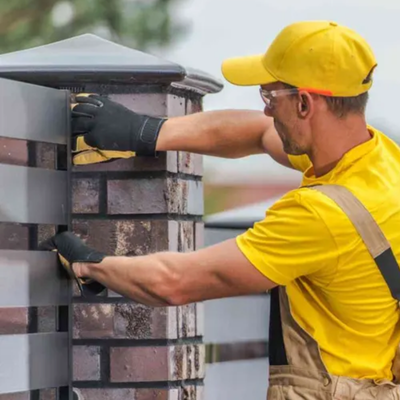
Durability in Queensland Conditions

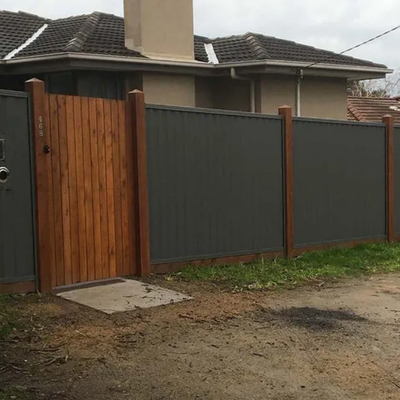
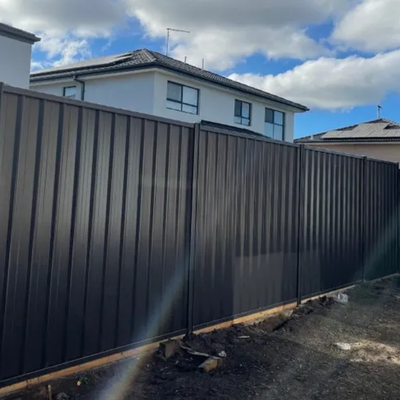
Queensland’s weather can be unforgiving. Fences must endure high UV exposure, tropical rain, and coastal salt carried by wind. Colorbond fencing, made from pre-painted steel, has a tough exterior coating designed to resist scratching and fading. Its rigid panels and interlocking design provide excellent wind resistance, making it well suited to open or storm-prone areas.

Aluminium fencing, on the other hand, excels in environments where corrosion is the main threat. Unlike untreated steel, aluminium does not rust when exposed to moisture or salt air, which makes it particularly effective near beaches or bayside suburbs. Its lightweight strength also allows for flexibility in installation on sloped or uneven ground, reducing the risk of stress fractures over time. Both materials are built to last, but the best choice often depends on the balance between exposure to salt and the need for impact strength.

Colorbond vs Aluminium Fencing in Queensland’s Climate: Which Lasts Longer?

Maintenance and Longevity

Longevity and upkeep are major factors when comparing fencing materials. Queensland’s climate exposes fences to intense sunlight, heavy rainfall, and in many regions, salt-laden air. Choosing a fence that requires minimal attention while retaining its strength and colour over time makes a significant difference in both cost and appearance.

  • Colorbond Fencing: The pre-painted steel surface of Colorbond is designed to resist fading and corrosion. Occasional rinsing with water is enough to remove dust or salt buildup, even in coastal areas. It does not require painting, staining, or rustproofing, and repairs are rare when installed correctly.
  • Aluminium Fencing: Aluminium’s natural resistance to rust and corrosion gives it excellent longevity, especially in seaside locations. Powder-coated finishes enhance durability and maintain their gloss for many years with minimal cleaning. Light washing with soapy water a few times a year is usually sufficient.

Both options deliver long-term value, but the best choice depends on local exposure. For inland suburbs, Colorbond’s strong, rigid panels provide excellent lifespan. In coastal areas, aluminium’s corrosion resistance can mean fewer maintenance needs and a cleaner look over time.

Colorbond vs Aluminium Fencing in Queensland’s Climate: Which Lasts Longer?

Aesthetic and Design Options

A fence should complement the property it surrounds, not compete with it. Both Colorbond and aluminium offer a wide range of looks that suit Queensland’s mix of traditional and modern architecture. Colorbond’s smooth, clean panels are ideal for contemporary homes where privacy and uniformity are key. Available in a variety of colours, the finish pairs well with roofs, gutters, and garage doors for a coordinated appearance. Decorative slat toppers and lattice inserts can also soften the look without sacrificing security.

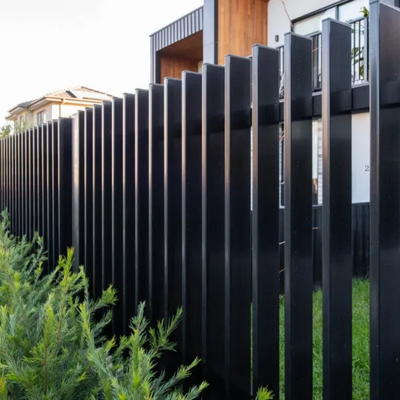
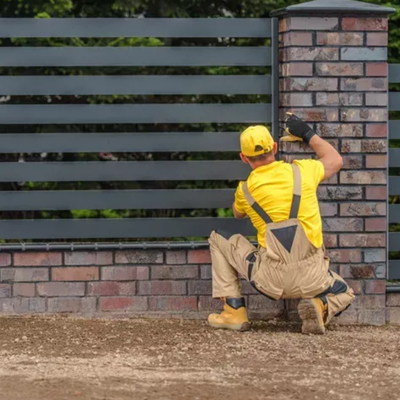
Aluminium fencing, while lighter in construction, delivers more versatility in design. It can be shaped into horizontal or vertical slats, tubular panels, or custom geometric layouts. This flexibility makes it a good choice for homes that value airflow and visibility, such as coastal properties or modern builds with open landscaping. Aluminium also lends itself well to mixed-material designs, pairing neatly with masonry pillars or feature walls for added texture and depth.

Cost and Value Over Time

While both Colorbond and aluminium fencing represent long-term investments, their pricing and lifetime value differ depending on installation conditions and property needs. Choosing the right option means weighing the upfront cost against how well it performs and how little it costs to maintain over the years.

  • Colorbond Fencing: Typically offers a lower initial cost than aluminium while delivering strong protection and privacy. Its rigid steel structure makes it durable against impacts and wind, but in highly corrosive coastal zones, the lifespan may shorten if salt builds up and cleaning is neglected.
  • Aluminium Fencing: Comes with a higher initial price in many cases but compensates with minimal upkeep and superior corrosion resistance. Because it resists rust even in salty air, it tends to deliver longer value for properties near the coast or in humid regions.
Colorbond vs Aluminium Fencing in Queensland’s Climate: Which Lasts Longer?

Over time, aluminium may be the more cost-effective choice for homes near the ocean, while Colorbond offers better value inland or where strong privacy and storm resistance are priorities. Both outperform timber in durability, reducing maintenance and replacement costs over the life of the fence.

Which Fence Is Right for Your Property?

The best fencing material depends on your location, landscape, and design goals. For inland suburbs, where wind strength and sun exposure are the main challenges, Colorbond remains a reliable choice. Its solid construction and privacy-focused design make it ideal for backyards and boundary lines that face neighbouring homes or busy streets. The range of colour options also helps it blend seamlessly with modern roofs and façades.

In coastal suburbs or bayside properties, aluminium fencing often performs better in the long run. Its natural resistance to rust and corrosion keeps it looking clean despite salt exposure, and its open slat or tubular designs suit properties that prioritise airflow and coastal views. For many Queensland homeowners, the final choice comes down to whether privacy or corrosion resistance is the bigger priority. Both options deliver durability and strong visual appeal when installed by an experienced fencing contractor.

Colorbond vs Aluminium Fencing in Queensland’s Climate: Which Lasts Longer?

From Comparison to Confidence: Choosing Your Fence

Both Colorbond and aluminium fencing perform exceptionally well in Queensland’s climate, offering durability and style that outlast traditional materials. The right choice depends on your property’s location and how much exposure it faces to salt, humidity, or strong winds. Either option can deliver long-term security and visual appeal when correctly installed.

At Northside Fencing, we help homeowners select the fencing solution that matches their environment and aesthetic goals. Whether you prefer the strength and privacy of Colorbond or the lightweight resilience of aluminium, our team provides professional installation and local expertise you can trust. Call (07) 3491 4100 or get in touch with us online to arrange a free consultation today.

Frequently Asked Questions About Colorbond and Aluminium Fencing

Which lasts longer in Queensland: Colorbond or aluminium fencing?

Both materials are built for durability, but aluminium generally outperforms Colorbond in coastal areas where salt exposure is high. Colorbond’s steel strength makes it ideal for inland and storm-prone suburbs.

Does Colorbond fencing rust near the coast?

Modern Colorbond steel has a protective coating that slows corrosion, but regular rinsing is still important for homes near the ocean. Aluminium offers better natural resistance to salt and moisture.

Is aluminium fencing more expensive than Colorbond?

Aluminium usually costs more upfront, but it requires less maintenance and lasts longer in coastal environments. Colorbond is more cost-effective inland or for properties that need full privacy.

Which fence provides better privacy?

Colorbond panels create a complete visual barrier, making them perfect for boundary and backyard fencing. Aluminium slats and tubular designs allow airflow and visibility but can be adapted for partial screening.

Can I mix Colorbond and aluminium fencing?

Yes. Many homeowners use Colorbond for side or rear boundaries and aluminium for front fencing or gates. Combining both can balance strength, privacy, and coastal resilience.