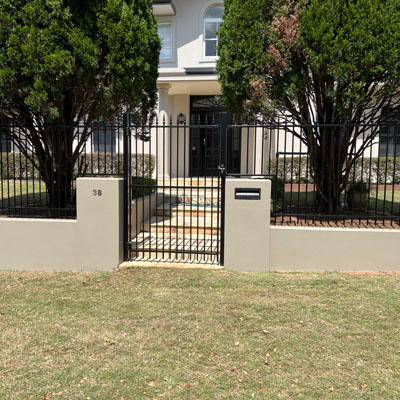
Choosing the Right Fence Materials for a DIY Project

Many DIY fence projects run into problems long before the first post goes into the ground. Material choice determines how the fence handles movement, weather exposure, and long-term use, yet it is often treated as a simple purchasing step. Selecting components without considering site conditions can lead to panels that move, gates that drop, or fixings that loosen within a short time.

Different properties place different demands on a fence. Height, exposure, soil behaviour, and daily use all influence which materials perform reliably. When materials are matched to real conditions from the start, the fence is far more likely to remain straight, stable, and functional over time.
Planning the Fence Before Buying Materials

Before selecting panels or posts, it helps to define what the fence needs to achieve. A boundary marker, a pet enclosure, and a privacy screen place very different demands on materials. Height expectations, gate frequency, and whether the fence borders public areas all influence the level of strength and rigidity required across the run.

Long-term upkeep is another factor that affects material choice. Some fencing types prioritise minimal maintenance, while others require periodic adjustment or tightening as conditions change. Considering how the fence will be used day to day helps narrow down suitable options and prevents purchasing components that are mismatched to the task.

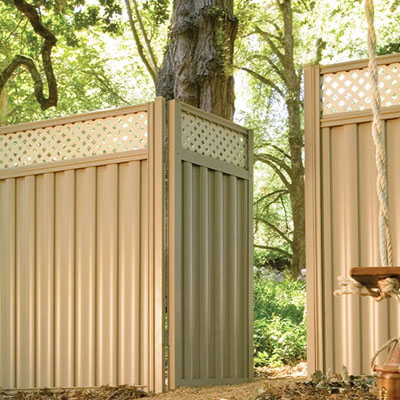
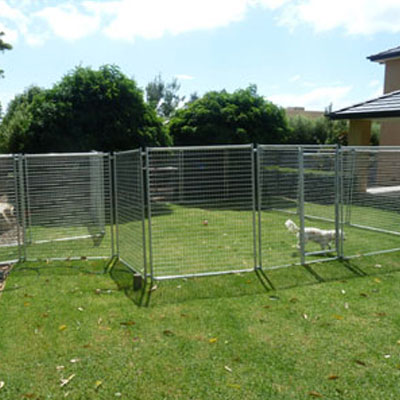
Backyard pet enclosure fence installation

Matching Fence Materials to Ground Conditions

Ground conditions influence how well posts stay aligned and how panels behave over time. Choosing materials suited to the site reduces movement and helps the fence remain consistent along the boundary.

  • Stable soil areas, where standard post types perform reliably without additional reinforcement.
  • Reactive or shifting ground, where stronger posts help limit movement as the ground expands and contracts.
  • Sloped sites, where panel style and post strength affect how evenly the fence follows the terrain.
  • Wet or drainage-prone locations, where corrosion-resistant components support longer service life.
  • Coastal environments, where exposure to salt air influences material selection and finish type.

Selecting fencing materials that suit ground conditions prevents early movement and reduces the need for adjustment later. Matching components to site conditions improves the chances of a straight, stable fence once completed.

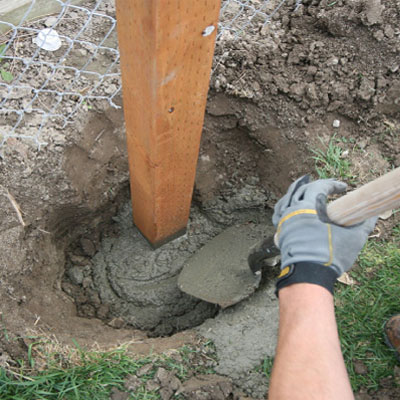
Concrete footings for fence posts

Material Compatibility Across the Fence System

A fence performs as a complete system rather than a collection of individual parts. Panels, posts, rails, and fixings need to work together so load is distributed evenly along the boundary. When components are selected in isolation, mismatched strength or sizing can create weak points that show up once the fence is under pressure.

Gate integration is where compatibility issues often appear. Heavier gates require posts with sufficient rigidity to prevent movement over time, and the surrounding panels must support consistent alignment. Using compatible materials across the entire run helps avoid uneven stress, premature movement, and unnecessary adjustments after installation.

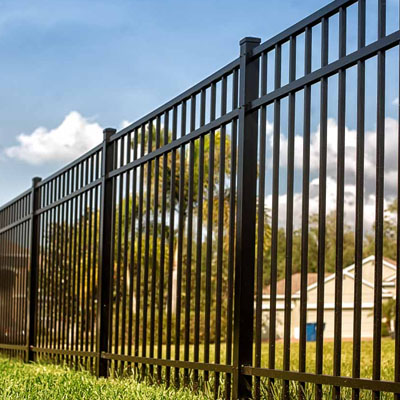
Fence materials designed for outdoor exposure

Common Material Selection Mistakes in DIY Fencing

Many DIY fence issues begin with small purchasing decisions that seem harmless at the time. Choosing materials without considering how they interact across the whole run often leads to early movement or repeated adjustments.

  • Undersized posts, which can shift or lean once panels and gates place load on them.
  • Incorrect fasteners, where general-purpose fixings loosen under outdoor conditions.
  • Panel height chosen without span consideration, leading to flex or instability between posts.
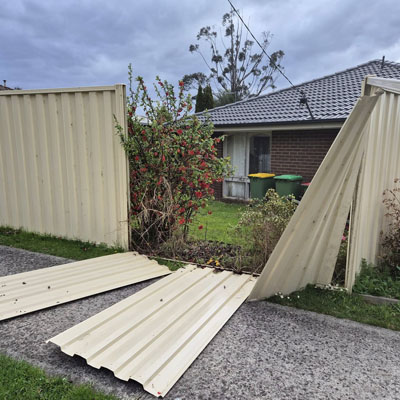
  • Ignoring wind exposure, particularly with solid panels that catch more force.
  • Mixing components from unrelated systems, resulting in alignment and strength inconsistencies.

Avoiding these selection errors helps the fence perform more predictably once completed. Correct combinations reduce the likelihood of rework and make the finished boundary easier to maintain.

Choosing the right fence materials for a DIY project

Considering Wind, Height, and Load on Panels

Fence height and panel style directly affect how much force the structure must handle. Taller fences experience greater wind pressure, especially when panels have limited airflow. Solid designs place more load on posts and fixings than open styles, which means the supporting materials need to match the expected forces across the run.

Daily use adds further stress to the system. Gates introduce repeated movement, and exposed locations experience ongoing pressure from weather conditions. Selecting materials that suit both the height and exposure level helps the fence remain aligned and reduces strain on connection points over time.

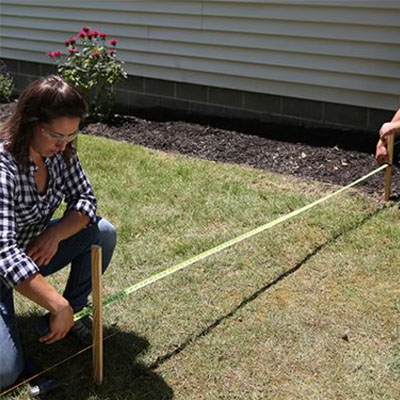
Preparing DIY fence project materials

Ordering Materials Efficiently

Preparing an accurate materials list helps avoid delays and repeated trips during a DIY project. Fences often require more than just panels and posts, and small omissions can slow progress once work begins.

  • Confirming total run lengths, including returns and changes in direction.
  • Allowing for gate openings, which affect spacing and post quantities.
  • Checking access for delivery, so materials can be placed close to the work area.
  • Accounting for fittings and brackets, not just the primary components.
  • Allowing a small margin for adjustment, which helps cover minor variations on site.

Planning the order carefully keeps the project moving and reduces the chance of mismatched or missing items. A complete order supports smoother installation and fewer interruptions.

Ordering fence panels and posts efficiently

Getting Advice Before Purchasing

Discussing the project before ordering your DIY fencing materials helps avoid combinations that do not suit the site. With decades of experience manufacturing and installing fencing, our guidance is based on how the same materials perform in real conditions. Exposure, fence height, and gate size all influence which components work best together, so reviewing these factors early allows adjustments before materials are delivered across Brisbane, the Sunshine Coast, and the Moreton Bay region.

DIY customers are supplied with the same fencing products used in full installations, ensuring compatibility across panels, posts, and fixings. Materials are manufactured to consistent specifications and can be delivered directly to site, which helps keep the project organised and reduces handling effort. Clear guidance at the selection stage supports a smoother build and helps ensure the order includes everything needed for a consistent result.

Reliable fencing materials for DIY installation

Talk to Northside Fencing About DIY Fence Materials

Selecting compatible materials early helps avoid delays and repeat purchases during a DIY project. Contact Northside Fencing on (07) 3491 4100 or submit an enquiry through the website to discuss suitable panels, posts, and delivery options.

FAQ: DIY Fencing Materials

What fencing materials are easiest for DIY projects?

Panel systems designed to work with matching posts and fixings are generally the most straightforward. Using compatible components helps reduce alignment issues and keeps the project manageable.

Can fence panels be cut to size?

Some panels can be adjusted, but cutting may affect finish or strength depending on the material. Planning panel layout before ordering usually reduces the need for modification.

Do posts need to match the panel type?

Posts should suit the panel weight and height so the fence remains stable over time. Mixing unrelated components often leads to movement or uneven alignment.

How much extra material should be ordered?

Allowing a small margin for adjustments and site variations helps prevent shortages. Exact amounts depend on layout, corners, and gate openings.

Is delivery available for DIY fence materials?

Material delivery can simplify handling and reduce transport effort, particularly for longer runs or heavier components.