Termite-Resistant Fencing Options Beyond Treated Pine

Termite-resistant fencing options beyond treated pine are becoming a growing focus for many property owners across South East Queensland. Termites remain active year round in this region, and fencing that sits in constant contact with soil and moisture is often exposed to higher risk. While treated pine remains a common and affordable fencing material, long term exposure to ground moisture, surface damage, and ageing treatment can all reduce its resistance over time. These conditions mean some properties benefit from stronger material choices that offer greater protection through their entire service life.

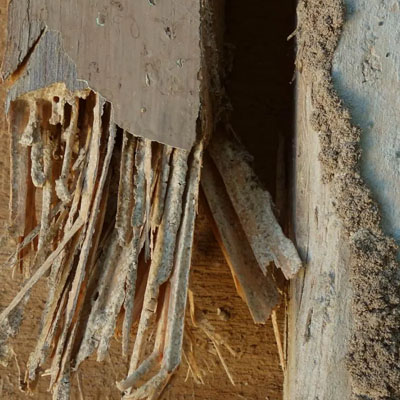
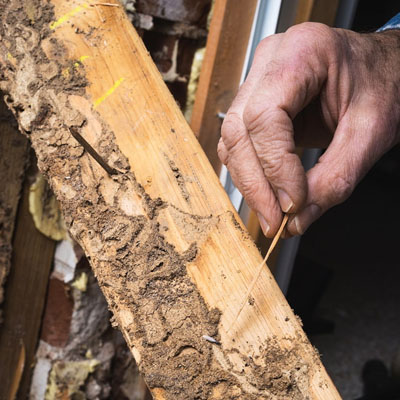
We regularly inspect fences where termite activity has compromised posts, rails, and footings without any early surface warning. In many cases the damage begins below ground and only becomes visible once the structure starts to weaken. This has led many homeowners to look beyond treated pine and into alternative fencing materials that remove timber from the highest risk areas altogether. Choosing the right material for termite exposure plays a major role in long term stability, maintenance demands, and overall fence performance.
Why Treated Pine Still Has Termite Risk

Treated pine is timber that has been infused with preservatives designed to slow decay and deter termites. This treatment is highly effective when the timber remains undamaged and dry, but its protection is not permanent. Over time, weather exposure, surface wear, and physical cutting can expose untreated timber beneath the protective layer. Once that inner core is accessible, termites are no longer deterred in the way the original treatment intended.

Fence posts are especially vulnerable because they remain in constant contact with soil and moisture. Ground contact allows termites to access the timber below the visible surface, where early activity often goes unnoticed. Moist environments also accelerate the breakdown of treated surfaces and increase timber movement, which can create micro gaps that invite infestation. These conditions explain why treated pine fencing most often fails first at the posts rather than along rails or panels.

Termite-Resistant Fencing Options Beyond Treated Pine

Steel Fencing as a Termite-Proof Upgrade

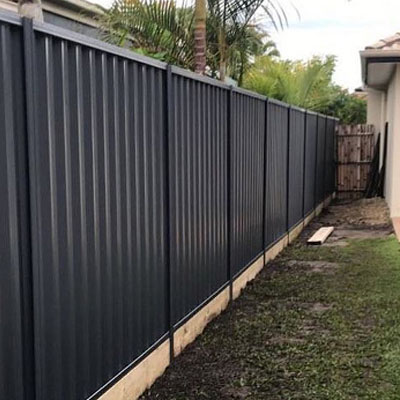
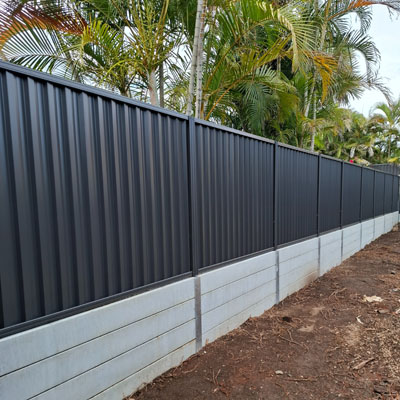
Steel fencing removes timber from the highest risk areas altogether, which makes it one of the most reliable choices for termite resistance. It also delivers strong long term performance in the heat, storms, and high UV exposure common across South East Queensland.

  • Complete immunity from termite attack, as steel contains no organic material for termites to feed on or tunnel through.
  • Long service life in harsh weather, with coatings designed to handle sun exposure, heavy rain, and strong winds without structural breakdown.
  • Strong privacy performance for boundary fencing, where full height panels provide both security and visual screening.
  • High suitability for side access and security fencing, where durability and impact resistance are important.
  • Lower maintenance demands compared with timber, as there is no risk of rot, insect damage, or internal breakdown.
Termite-Resistant Fencing Options Beyond Treated Pine

Steel fencing offers a major reduction in termite related risk by removing timber from ground contact zones. This makes it a strong upgrade path for properties that have experienced early pine failures or sit in high activity termite areas.

Aluminium Fencing for Termite Resistance and Stability

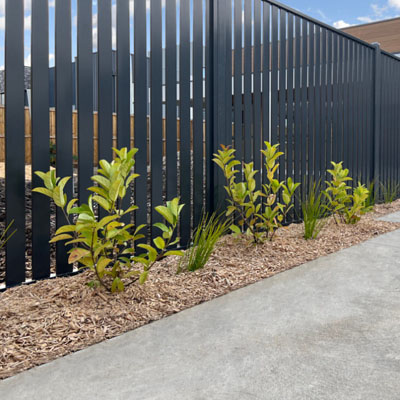
Aluminium fencing is widely chosen where termite resistance is required without sacrificing appearance or airflow. It removes timber from ground contact areas while offering strong long term performance in exposed Queensland conditions.

  • Complete termite resistance, as aluminium contains no organic material that can be attacked by insects.
  • Strong suitability for pool fencing, where corrosion resistance and long coating life are critical.
  • Reliable front fencing performance, offering strength without creating a heavy visual barrier.
  • Lightweight structure with excellent ground stability, which reduces post stress and long term movement.
  • High resistance to rust and surface breakdown, even in coastal and high moisture areas.
Termite-Resistant Fencing Options Beyond Treated Pine

Aluminium fencing provides a clean, stable option for properties that need termite resistance without moving into solid panel designs. Its lightweight nature also places less strain on footings, which supports long term alignment and gate performance.

How Ground Conditions Influence Termite Risk

Ground conditions determine how easily termites can access fencing materials and how long moisture is retained around posts. Termites operate below the surface and rely on concealed travel paths through damp soil to reach timber. Areas with poor drainage, compacted ground, or regular pooling create an environment where termite activity can remain hidden while structural damage develops internally. This is why visible fence failure often appears suddenly even when the surface looks sound beforehand.

Soil movement also plays a role in long term exposure. Reactive clay soils expand and contract with moisture changes, opening small voids around posts and footings. These gaps create sheltered pathways that assist termite access and allow moisture to remain trapped against embedded timber. Even non termite related ground movement can worsen exposure by disrupting footings and lowering surface clearances, which increases long term risk for any timber based fencing system.

Termite-Resistant Fencing Options Beyond Treated Pine

Comparing Lifespan, Maintenance, and Risk Across Materials

Different fencing materials respond very differently to termite exposure, moisture, and long term weather conditions. Comparing these factors side by side helps clarify where treated pine sits against steel, aluminium, and selected hardwood options.

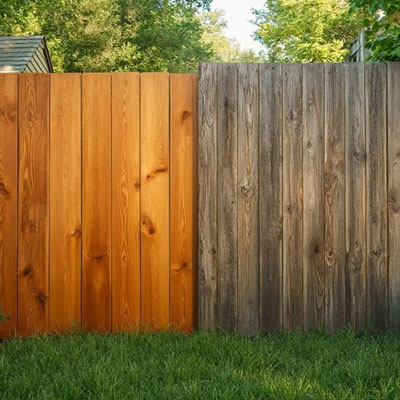
    • Treated pine fencing: which offers good upfront value but carries ongoing termite risk when treatments degrade, cut ends are exposed, or posts remain in damp soil. Lifespan varies widely based on installation quality and ground conditions.
    • Steel fencing: which removes termite risk entirely and delivers long structural life with minimal maintenance beyond surface coating care. It performs strongly in boundary, side access, and privacy fencing applications.
    • Aluminium fencing: which also eliminates termite exposure and offers excellent corrosion resistance with low maintenance demands. It suits pool fencing and front fencing where visibility and airflow are required.
Termite-Resistant Fencing Options Beyond Treated Pine

Each material carries its own balance of lifespan, maintenance, and termite exposure. The right choice depends on how much ground contact exists, how moist the site remains, and how long the fence is expected to perform without major repair.

How We Match the Right Fencing to Termite Conditions

We begin by assessing how termite exposure is likely to affect the fencing on each property. Ground moisture levels, drainage patterns, soil contact, and surrounding landscaping all influence long term risk. These site factors help determine where timber can perform reliably and where non timber options provide stronger protection. By reviewing how much of the fence will sit near or below ground level, we can guide material selection around real conditions rather than general assumptions.

We also consider how the fence will be used and the level of ongoing maintenance the property owner prefers. Privacy boundaries, side access runs, and pool areas each place different demands on materials and fixings. Once those demands are clear, we match steel, aluminium, or selected timber options to the site so performance and lifespan align with expectations. This approach helps reduce early failure, limits termite exposure at high risk points, and supports long term fence stability.

Termite-Resistant Fencing Options Beyond Treated Pine

Talk to Northside Fencing About Termite-Resistant Fencing

If fencing is exposed to damp ground, recurring termite activity, or early post damage, selecting the right material can reduce long term risk. Contact Northside Fencing on (07) 3491 4100 or send an enquiry through the website to discuss termite-resistant fencing options suited to site conditions.

FAQ: Termite-Resistant Fencing Options

Is treated pine termite proof?

Treated pine is resistant to termites due to preservative treatment, but it is not fully termite proof. Once the treated surface is damaged, cut, or degraded by long term moisture exposure, termites can access untreated timber beneath the surface. This is why failure most often begins in posts that remain in constant soil contact.

What fencing materials do termites avoid?

Termites avoid non timber materials such as steel and aluminium because these products contain no organic content to feed on. These materials remove termite risk entirely at ground contact points, which are the most vulnerable areas of any fence.

Can termites attack steel or aluminium fencing?

Termites do not attack steel or aluminium because they cannot consume or tunnel through metal. While termites may build mud tunnels over metal surfaces to reach nearby timber, the metal fencing itself remains unaffected by infestation.

Is hardwood safer than treated pine for termites?

Some hardwood species such as ironbark and spotted gum offer stronger natural resistance than treated pine due to their density and natural oils. Hardwood is still a timber product, however, and remains vulnerable when placed in constant contact with moist soil. Correct clearance and drainage remain essential for long term performance.

How long does termite-resistant fencing last?

Steel and aluminium fencing can provide very long service life with minimal termite related risk because no timber is present. Hardwood and treated pine lifespan varies based on moisture exposure, soil contact, and maintenance. The highest risk to lifespan always occurs at posts where ground conditions accelerate breakdown.