Slat Fencing vs Solid Panel Fencing: Finding the Right Balance of Privacy and Style

Homeowners in Queensland often face a familiar question when updating their boundary or front-yard fence: should it be a sleek slat design that keeps the yard open, or a solid panel structure that provides complete privacy? Both options bring clear advantages, and the right choice depends on the balance of style, airflow, and how much of your property you want visible from the street.

Slat fencing offers a lightweight, contemporary appearance that enhances modern architecture and creates a relaxed, coastal feel. Solid panel fencing, by contrast, delivers full privacy and a bold, uniform look that suits busy or closely built neighbourhoods. The best decision depends on lifestyle, location, and how each design complements the home’s overall layout.
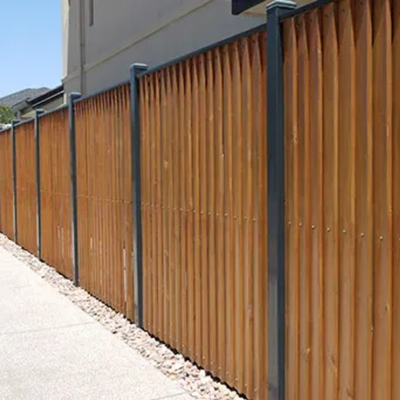
Privacy, Airflow, and Light Control

The level of privacy a fence provides has a direct impact on comfort and usability. Solid panel fencing completely blocks outside views, making it ideal for properties close to neighbours or busy roads. This design also helps reduce noise and wind, creating a more controlled environment for outdoor living areas. However, the same features that make it private can also limit airflow and increase heat retention, especially in Queensland’s warmer months.

Slat fencing offers a different kind of comfort. The spacing between slats allows air to circulate freely, keeping courtyards and pool areas cooler while maintaining some visibility. Angled or adjustable slats can provide privacy when viewed front-on while still letting light filter through from above. For homes that value open design and natural ventilation, slat fencing achieves a balance between privacy and a connected, breezy outdoor feel.

Slat Fencing vs Solid Panel Fencing: Finding the Right Balance of Privacy and Style

Design and Street Appeal

Fence design plays a major role in how a property presents itself from the street. Both slat and solid panel fencing can elevate a home’s appearance, but they do so in different ways that reflect the architecture and layout of the property.

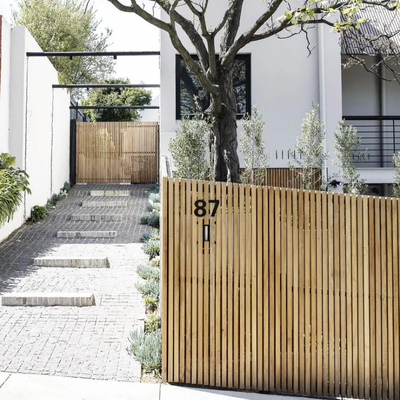
  • Slat Fencing: Known for its modern, lightweight look, slat fencing works beautifully with contemporary homes. Its horizontal or vertical lines create visual length and rhythm, adding depth without closing off the yard. The gaps between slats make outdoor spaces feel open and welcoming while still defining boundaries clearly.
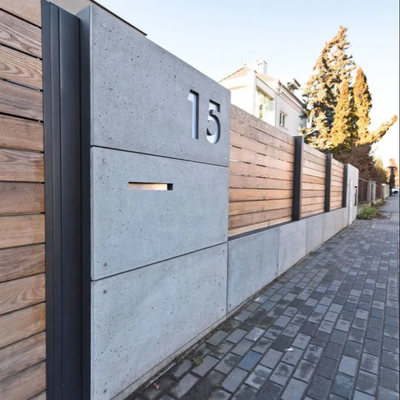
  • Solid Panel Fencing: With a smooth and uniform finish, solid panels project a strong, private presence. They suit urban and suburban homes that prioritise privacy or noise control, and they pair well with Colorbond steel, rendered masonry, or composite materials for a polished, architectural appearance.

Choosing between the two comes down to how you want your home to feel from the street. Slat fencing gives a sense of openness and flow, while solid panels provide structure and privacy, each creating a distinct first impression that frames the property’s overall design.

Slat Fencing vs Solid Panel Fencing: Finding the Right Balance of Privacy and Style

Maintenance and Durability Factors

Both slat and solid panel fencing are designed for long-term performance, but each has its own maintenance priorities. Solid panel fences, especially those made from Colorbond steel or composite materials, are simple to clean and resist weathering well. Their smooth, enclosed surfaces prevent debris from collecting, which helps them stay looking sharp with little effort. However, because they fully block airflow, they can experience more wind pressure and may need sturdier post foundations to prevent movement over time.

Slat fencing requires occasional attention to the spaces between slats, where dust, leaves, or salt buildup can collect. Aluminium slats are naturally corrosion resistant, while timber versions need periodic sealing or staining to stay protected. Powder-coated finishes help reduce fading and make cleaning easier, but regular rinsing still helps maintain a fresh, even appearance. With correct installation and light maintenance, both fence types can perform reliably for many years in Queensland’s varied conditions.

Slat Fencing vs Solid Panel Fencing: Finding the Right Balance of Privacy and Style

Cost and Installation Considerations

Cost, labour, and installation conditions can influence which fencing option is best for your property. Both slat and solid panel fences offer good long-term value, but they differ in how they’re built and priced.

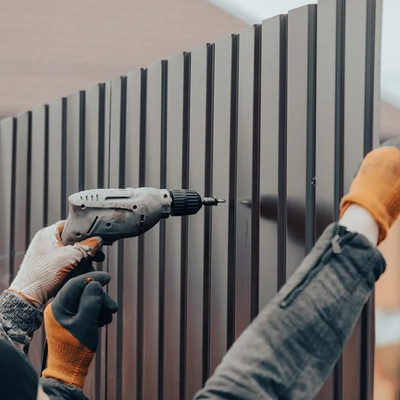
  • Solid Panel Fencing: Prefabricated panels such as Colorbond install quickly, reducing labour costs. They’re ideal for straightforward boundaries and larger blocks where consistency is key. On sloped or uneven ground, additional supports may be needed, which can slightly increase the cost.
  • Slat Fencing: Each section is carefully assembled to maintain consistent spacing and alignment, giving the fence a refined, architectural look. The modular design allows flexibility in layout and height while keeping a uniform finish. Aluminium slats may cost more upfront, but their durability and low maintenance make them a smart long-term investment.

When comparing both options, it often comes down to time versus flexibility. Solid panels are faster to install, while slat fencing allows greater design control and a more tailored appearance.

Slat Fencing vs Solid Panel Fencing: Finding the Right Balance of Privacy and Style

Which Fence Suits Your Property Best?

The right fencing choice depends on how you use your outdoor space and what matters most to you: privacy, airflow, or visual openness. Solid panel fencing works best for properties where privacy and protection are the priority. It provides complete coverage for backyards, pool areas, and side boundaries that face neighbours or public footpaths. This type of fence also helps reduce outside noise and creates a more enclosed, secure feel.

Slat fencing suits homeowners who prefer light, space, and modern design flexibility. It is especially effective for front yards, courtyards, and gardens that benefit from natural airflow. Homes with landscaped areas, open verandas, or modern façades often pair beautifully with horizontal slats that add texture and rhythm without closing off the view. The final decision comes down to balancing privacy with openness and choosing the style that complements both the property’s design and the way you live.

Slat Fencing vs Solid Panel Fencing: Finding the Right Balance of Privacy and Style

A Balanced Approach: Combining Both Styles

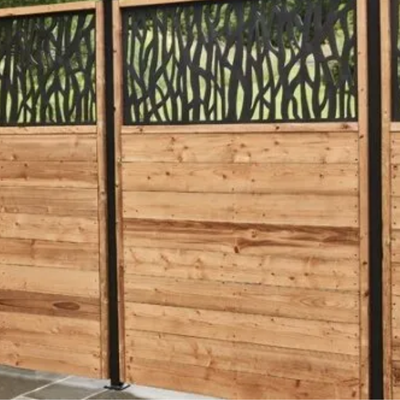
For many Queensland properties, the best fence design does not rely on one style alone. Combining slat and solid panels allows homeowners to achieve privacy where it is needed and openness where airflow and light matter most. A common approach is to use solid panels alongside boundaries for security, while incorporating slat sections or toppers at the front to soften the look and create visual balance.

This mix of materials also adds architectural interest. Aluminium slats over Colorbond or composite panels can break up large surfaces and introduce contrast, turning a standard boundary into a feature element. Blending these styles provides the flexibility to control visibility and airflow while giving the home a modern, cohesive appearance that works from every angle.

Slat Fencing vs Solid Panel Fencing: Finding the Right Balance of Privacy and Style

Designed for Balance and Built to Last

Both slat and solid panel fencing have their place in modern Queensland homes. The right choice depends on how much privacy, airflow, and street appeal you want to achieve. Each offers durability and style when built with quality materials and installed correctly.

At Northside Fencing, we help homeowners find the perfect balance between privacy and design. Whether you prefer the sleek lines of slat fencing or the strong presence of solid panels, our team can create a custom solution that complements your property. Call us today on (07) 3491 4100 or get in touch with us online to discuss a design that fits your lifestyle and location.

Frequently Asked Questions About Slat and Solid Panel Fencing

Which offers better privacy: slat or solid panel fencing?

Solid panel fencing provides complete privacy, making it ideal for side and rear boundaries. Slat fencing allows controlled visibility, giving a lighter and more open feel while still defining property lines.

Can I combine slat and solid panels in one fence design?

Yes. Many homeowners choose to combine both styles for the best balance of privacy and airflow. For example, solid panels along boundaries and slat sections at the front create a more welcoming and stylish appearance.

Is slat fencing durable in Queensland’s weather?

Aluminium slat fencing performs well in Queensland’s climate. It resists corrosion, needs minimal maintenance, and handles heat and humidity better than timber alternatives.

Which type of fencing is easier to maintain?

Both options are low-maintenance when made from aluminium or Colorbond. Solid panels are easier to rinse clean, while slats may need occasional clearing between gaps to remove dust and debris.

Does solid panel fencing cost more than slat fencing?

Costs depend on materials and design complexity. Colorbond panels are often faster to install, while slat fencing can vary depending on spacing and material thickness. Aluminium slats may cost more initially but offer long-term savings through minimal upkeep.