Palisade or Chain Link Fencing: Choosing the Right Security Fence

Choosing between palisade fencing and chain link fencing usually comes down to the site, the level of security needed and how the boundary needs to perform day to day. Both options can suit commercial, industrial and larger property fencing, but they are often chosen for different reasons. The best choice is not always about which fence is stronger on paper, but which option suits the property, access points, budget and level of risk.

Palisade fencing is generally used where a stronger visual deterrent and rigid steel barrier are priorities. Chain link fencing can be a practical option for longer boundaries where visibility, airflow and cost control are important. For many sites, the right decision depends on how the fence will be used, what it needs to protect and how visible the boundary needs to be.
Two Security Fencing Options With Different Strengths

Palisade fencing and chain link fencing are both used for security fencing, but they create different types of boundary control. Palisade fencing has a rigid steel structure and a stronger visual presence, which can make it better suited to sites where deterrence is a major part of the brief. Chain link fencing is more open, flexible and practical across longer boundaries, especially where visibility through the fence is useful.

The right option depends on more than the fence style alone. Site size, exposure, budget, access points and the level of security expected all play a part in the decision. A smaller commercial yard may need a stronger front boundary, while a large perimeter may need a practical system that can cover more ground without overcomplicating the project.

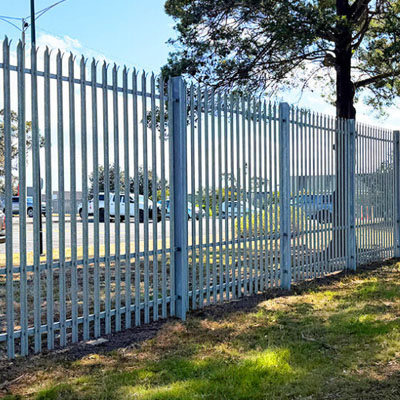
Palisade or Chain Link Fencing - Palisade fence

Where Palisade Fencing Works Best

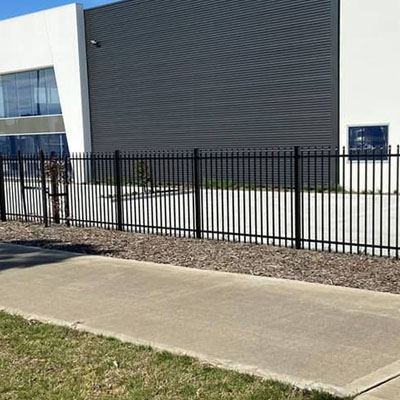
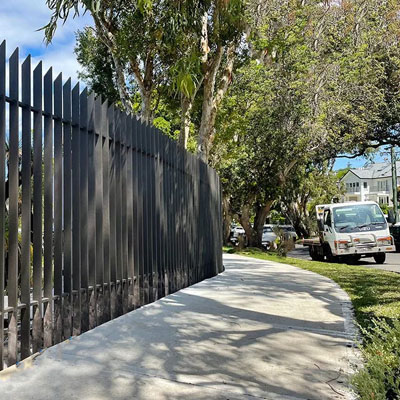
Palisade fencing is often the better fit for sites that need a stronger security presence from the street or boundary line. Its rigid steel construction, vertical pales and pointed tops create a clear deterrent, which can make it well suited to commercial properties, industrial yards, storage areas, utilities, schools and sites with valuable equipment or restricted access.

It can also work well where the fence needs to look more substantial and permanent. For exposed boundaries, street-facing areas or properties where presentation still matters, palisade fencing gives a cleaner security finish than many basic perimeter options. It is commonly chosen when the fence needs to do more than mark the boundary and should actively discourage people from attempting to climb, force or tamper with it.

Palisade or Chain Link Fencing - Street Palisade Fencing

Where Chain Link Fencing Works Best

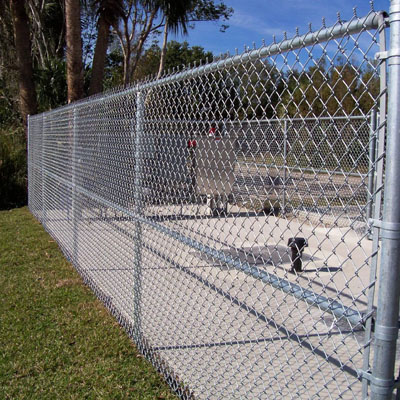
Chain link fencing is often a practical choice for larger boundaries where the main goal is to define and control the perimeter without blocking visibility. It can suit commercial yards, storage areas, sporting facilities, schools, temporary project zones and properties that need a secure boundary across a wider area without the heavier appearance of palisade fencing.

It is also useful where airflow and sightlines are important. Because chain link fencing keeps the boundary open, it can help with supervision, traffic visibility and general site awareness while still limiting access. For low to moderate security needs, or for long fence runs where budget is a major factor, chain link fencing can offer a simple and effective way to secure the site.

Palisade or Chain Link Fencing - Chain link fence

Key Differences to Compare Before Choosing

The right choice usually becomes clearer when the fence is matched to the way the site is used. A short, exposed boundary with high-value equipment may need a different fencing system to a large rear perimeter, sports area or general storage yard. Before choosing between palisade fencing and chain link fencing, it helps to compare how each option performs across the practical parts of the site.

Key differences to compare include:

  • Deterrence: Palisade fencing usually creates a stronger visual deterrent, while chain link fencing offers a more open and practical boundary.
  • Rigidity: Palisade is a rigid steel system, while chain link has more flexibility across longer or uneven fence runs.
  • Visibility: Chain link fencing allows clearer sightlines through the boundary, while palisade fencing creates a more solid security presence.
  • Cost: Chain link fencing is often more cost-effective for larger areas, while palisade fencing may suit sites where stronger deterrence is worth the extra investment.
  • Boundary length: Long perimeters may suit chain link fencing, while shorter high-risk sections may justify palisade fencing.
  • Maintenance: Both options can be low maintenance when properly supplied and installed, but site conditions and exposure should still be considered.
  • Gate integration: Vehicle gates, pedestrian gates and access points should be planned with the fence, not added later as an afterthought.
  • Site presentation: Palisade fencing can give a more formal security appearance, while chain link fencing is often more practical and understated.
Palisade or Chain Link Fencing - Commerical palisade fence

These differences are not about choosing the same fence for every part of a property. Some sites may suit one system across the full boundary, while others may need stronger fencing in exposed areas and a more practical option elsewhere. The best result comes from matching the fence to the risk, layout and purpose of the site.

Gates and Access Points Can Change the Decision

Gates are often the part of a security fence that gets the most daily use, so they can influence whether palisade fencing or chain link fencing is the better fit. A site with regular vehicle movement, staff access, deliveries or visitor entry may need gates that match the strength and purpose of the fence around them. If the fence is strong but the gate setup is poorly planned, the overall boundary can still become easier to force, climb or leave unsecured.

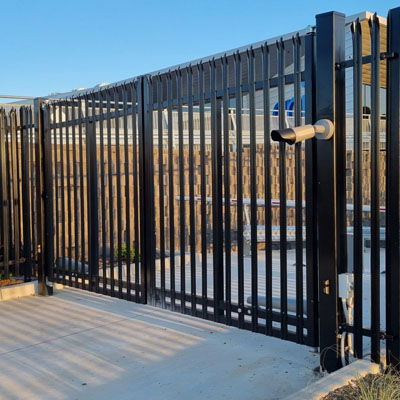
Palisade gates can suit sites where the entrance needs the same rigid security presence as the rest of the fence. Chain link gates can work well for wider or more practical access points, especially where visibility and simple operation are priorities. For commercial and industrial properties, the best choice should account for how often the gate is used, what type of access is needed and whether the entrance needs to support locks, latches or controlled access.

Palisade or Chain Link Fencing - Palisade style gate

Talk to Northside Fencing About Security Fencing Options

If you are comparing palisade fencing and chain link fencing for a commercial, industrial or larger property, Northside Fencing can help you choose an option that suits the site. We supply security fencing materials across Brisbane, the Sunshine Coast and Moreton Bay, with options suited to practical perimeter control, stronger deterrence and long boundary runs.

Our team can talk through your site layout, access points, preferred fence style and security needs before you order. Contact Northside Fencing (07) 3491 4100 or get in touch with us online to discuss palisade fencing, chain link fencing and other security fencing options for your property.

FAQs: Palisade vs Chain Link Fencing For Security

Palisade fencing usually offers a stronger visual deterrent because of its rigid steel structure and vertical pale design. It is often chosen for commercial and industrial sites where the boundary needs to look harder to climb or force.

Chain link fencing can still be a practical security fencing option, especially for larger perimeters where visibility, airflow and cost are important. The better choice depends on the site risk, boundary length and type of access required.

Yes, chain link fencing can suit commercial properties where the main goal is to define the boundary, control access and keep visibility through the site. It is commonly used for yards, storage areas, sporting facilities and longer perimeter runs.

For higher-risk areas or street-facing boundaries, some properties may be better suited to palisade fencing. In some cases, a site may use different fencing types in different areas depending on risk and layout.

Both palisade fencing and chain link fencing can be used with vehicle gates and pedestrian gates. The gate choice should match the fence style, opening size and the way the site is used each day.

Poorly planned gates can weaken an otherwise effective security fence. Access points should be considered early so the finished boundary supports day-to-day operation as well as the overall security of the site.