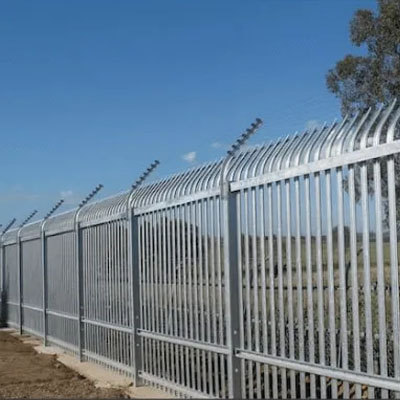
Palisade Fencing for Commercial and Industrial Sites

Palisade fencing is widely used across commercial and industrial properties, but the demands placed on each site type can vary significantly. While the same fencing system may be used, factors such as access, usage, and exposure influence how the perimeter is designed and how it performs over time.

Commercial sites often balance security with accessibility, particularly where public interaction is involved. Industrial environments typically place greater emphasis on controlled access and durability due to higher traffic, equipment movement, and operational demands. These differences shape how palisade fencing is applied to ensure the boundary remains secure and functional within each setting.
Access Patterns and Daily Use Differences

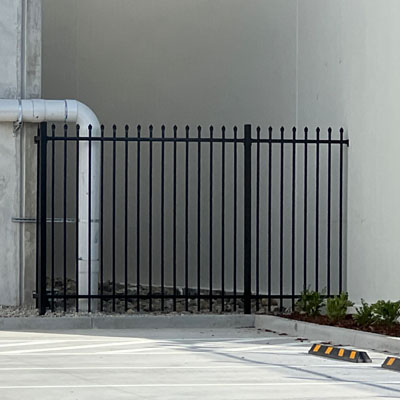
Access patterns vary significantly between commercial and industrial sites, and these differences influence how palisade fencing is configured. Commercial properties often experience regular pedestrian movement, with entry points designed to allow controlled access while maintaining a visible boundary. Retail centres, office complexes, and mixed-use spaces typically require fencing that supports both security and ease of movement.

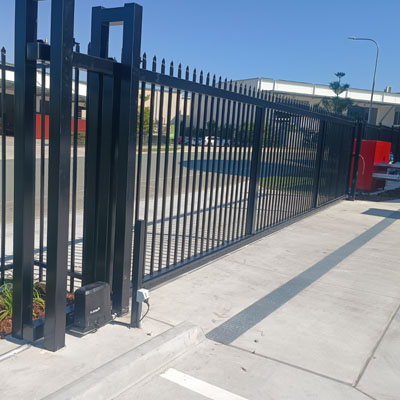
Industrial sites tend to involve higher volumes of vehicle traffic and more controlled entry conditions. Access points are often designed to manage trucks, equipment, and restricted personnel rather than general public flow. This places greater emphasis on durability, gate performance, and clear separation between operational areas and external access. Matching the fencing layout to daily use helps ensure the perimeter functions effectively without creating bottlenecks or weak points.

Security Expectations Across Site Types

Security requirements vary depending on how a site is used, what it contains, and how accessible it is to the public. While palisade fencing provides a strong baseline level of protection, the expectations placed on the system differ between commercial and industrial environments.

  • Retail and office environments, where fencing supports boundary definition and controlled access without restricting visibility.
  • Warehousing and logistics sites, where perimeter security helps manage access to stored goods and loading areas.
  • Industrial processing facilities, where access is limited and the boundary must prevent unauthorised entry to operational zones.
  • Restricted or high-risk sites, where stronger deterrence and controlled access are required to protect critical assets.
Palisade fencing is a great option for commercial fencing needs

These differences influence how the fencing system is specified, including height, layout, and integration with access points. Matching the level of security to site conditions helps ensure the boundary performs as intended.

Layout and Perimeter Design Considerations

The layout of a site influences how palisade fencing is arranged and how effectively it performs across the boundary. Commercial properties often feature open frontages, shared access points, and defined entry zones, which require fencing that supports visibility while maintaining control. In these environments, the fence may be used to guide movement rather than fully restrict it across all sides.

Industrial sites typically involve larger perimeters with fewer access points and greater separation between internal and external areas. Long boundary runs, equipment zones, and restricted sections require consistent fencing that maintains security across varying conditions. Designing the perimeter to suit the layout helps avoid gaps, reduces weak points, and ensures the fence functions as a continuous barrier throughout the site.

Gate Systems and Entry Points

Gate systems are a critical part of how palisade fencing performs across both commercial and industrial sites. The design and placement of entry points must reflect how the site is used on a daily basis, particularly where access is frequent or involves vehicles.

  • Pedestrian access gates, used in commercial settings where regular foot traffic requires controlled but convenient entry.
  • Vehicle entry gates, designed to accommodate cars, delivery vehicles, or trucks depending on site use.
  • High-frequency access points, where repeated opening and closing requires durable hinges and consistent alignment.
  • Controlled entry areas, where gates are positioned to limit access to authorised personnel or operational zones.

The number, size, and placement of gates influence how the fence performs as a system. Matching gate design to site activity helps maintain security without disrupting daily operations.

Palisade Gate Systems and Entry Points

Material Durability and Wear Expectations

Durability requirements vary depending on how heavily the fence is used and the conditions it is exposed to. Commercial sites may experience moderate wear from daily access and general exposure, while industrial environments often place greater demands on fencing due to vehicle movement, equipment activity, and continuous operation. These conditions can affect how the fence performs over time.

Wear is typically concentrated around high-use areas such as gates and access points, where repeated movement places stress on components. Exposure to weather, dust, and operational activity can also influence how materials age. Selecting a fencing system that maintains alignment and strength under these conditions helps reduce ongoing maintenance and supports consistent performance across the perimeter.

Where Palisade Fencing Fits Within Each Site Type

Palisade fencing can be applied across both commercial and industrial sites, but the way it is used often reflects the priorities of each environment. Its open profile and strong vertical construction allow it to provide security while maintaining visibility across the boundary.

  • Commercial properties, where fencing defines boundaries, guides access, and maintains visibility in public-facing areas.
  • Industrial sites, where the fence forms a continuous perimeter to restrict access and protect operational zones.
  • Mixed-use environments, where sections of fencing may balance public access with controlled internal areas.
  • High-security perimeters, where consistent spacing and limited footholds support stronger deterrence.

These applications highlight how the same fencing system can be adapted to suit different site requirements. Adjusting layout, height, and access points ensures the fence performs effectively in each setting.

Where Palisade Fencing Fits Within Each Site Type

Palisade Fencing Solutions Based on Site Requirements

Palisade fencing is most effective when it is configured to suit the specific conditions of the site rather than applied as a standard layout. Access patterns, perimeter size, and the level of control required all influence how the system should be designed. Aligning these factors ensures the fence supports both security and day-to-day operation.

Across Brisbane, the Sunshine Coast, and the Moreton Bay region, commercial and industrial properties often present different challenges, from high-traffic access points to large boundary runs. Adjusting fence height, gate placement, and overall layout to match these conditions helps maintain consistent performance across the entire perimeter. When the system reflects how the site is used, the boundary remains both secure and practical over time.

Talk to Northside Fencing About Palisade Fencing for Commercial and Industrial Sites

Selecting the right fencing layout helps balance security, access, and long-term durability across different site types. Contact Northside Fencing on (07) 3491 4100 or submit an enquiry through the website to discuss palisade fencing solutions across Brisbane, the Sunshine Coast, and the Moreton Bay region.

FAQ: Palisade Fencing for Commercial and Industrial Sites

Is palisade fencing suitable for both commercial and industrial sites?

Yes. Palisade fencing is commonly used across both environments, with adjustments to layout, height, and access points based on site requirements.

Do industrial sites require stronger fencing than commercial sites?

Industrial sites often place greater demands on durability and access control due to higher traffic and restricted areas.

Can palisade fencing be used for public-facing commercial properties?

It can be used where visibility and boundary definition are required, particularly when access points are clearly managed.

How are gate systems different between site types?

Commercial sites often prioritise pedestrian access, while industrial sites focus on vehicle entry and controlled access points.

Does fence layout affect security performance?

Yes. Layout, access placement, and perimeter design all influence how effectively the fence performs as a security system.