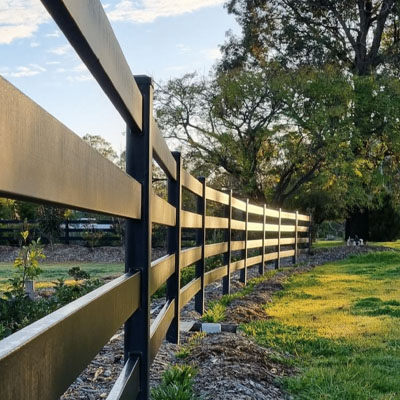
How Fence Footings Affect Strength and Lifespan

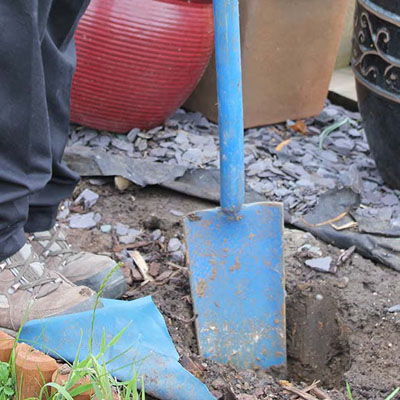
The strength of any fence begins well below the surface, long before panels, rails, or posts are visible. Footings determine how effectively a fence handles wind, soil pressure, and the everyday forces that act on the structure. When these underground supports are not designed or installed correctly, movement can develop even when the visible materials appear sound. Many early failures across South East Queensland trace back to footing issues rather than any problem with the fence components themselves.

Footing design must suit the soil, fence height, and site exposure, yet this is often the area where shortcuts create long term problems. Shallow post holes, insufficient concrete, or incorrect setting methods place unnecessary strain on the structure from the beginning. A fence built on strong footings performs predictably, holds alignment, and copes with changing conditions, while a fence built on weak foundations tends to shift far sooner than expected.
Why Footings Matter More Than Most People Realise

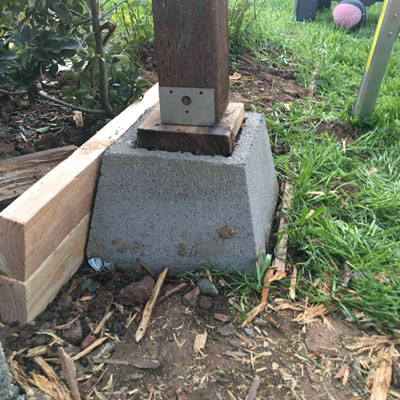
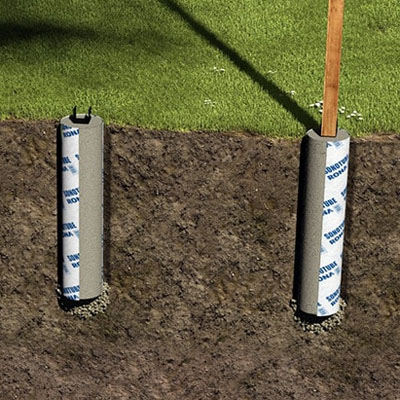
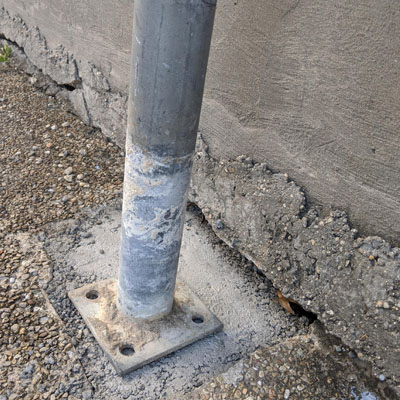
Footings carry the entire load of a fence and transfer that load into the ground in a controlled way. When they are built correctly, they stabilise each post so wind pressure, gate force, and natural movement across the fence line are absorbed without distortion. This underground support is responsible for keeping the structure upright and allowing every component above ground to perform as intended. Without solid footings, even high quality materials can struggle to stay aligned.

A fence also relies on consistent footing strength along the entire run. When some posts are supported properly while others are not, the fence begins to react unevenly to pressure. Sections with weak footings can shift or rotate under loads that neighbouring posts handle with ease. This imbalance gradually places stress on rails, panels, and gate hardware, creating problems that often appear unrelated to the ground but originate there. Strong, uniform footings are the foundation of a fence that performs predictably over time.

How Fence Footings Affect Strength and Lifespan

Common Footing Problems That Shorten Fence Lifespan

Footings fail for many reasons, and these issues usually begin long before movement becomes visible. Most early failures can be linked to decisions made during installation rather than anything that occurs at the surface.

  • Shallow post depth, which reduces the post’s ability to resist forward and sideways pressure along the fence line.
  • Insufficient concrete volume, leading to weak anchoring and reduced resistance against wind and gate load.
  • Footings set without proper shaping, where straight-sided holes provide less hold than bases formed to lock into surrounding ground.
  • Concrete that cures too quickly or inconsistently, creating internal weakness that cannot support long term load.
  • Posts positioned off centre within the footing, which makes the structure react unevenly to pressure and increases twisting forces.
  • Incorrect spacing between footings, creating areas where pressure concentrates on a small number of posts instead of being shared evenly.
How Fence Footings Affect Strength and Lifespan

Poor footing work limits the lifespan of the fence regardless of material quality. Once movement begins below ground, the issues tend to progress and place growing strain on the rest of the structure.

How Soil Type and Moisture Levels Affect Footing Stability

Soil conditions have a major influence on how well fence footings hold their shape over time. Dense soils provide strong lateral support and help the concrete remain stable, while loose or sandy soils offer less resistance against movement. Reactive clay behaves differently again, expanding when wet and shrinking during dry periods, which can place shifting pressure on the sides of the footing. These natural changes in the ground can alter how firmly a post is supported even when the footing itself was built correctly.

Moisture patterns also affect footing stability. Areas that stay wet for long periods soften the surrounding soil and reduce the support that normally keeps the footing in place. Conversely, soil that dries too quickly can pull away from the concrete, leaving small voids that reduce the footing’s contact with the ground. These variations do not always cause immediate movement, but they change the way loads are absorbed over time. When soil and moisture conditions fluctuate regularly, the fence requires stronger footing design to maintain long term stability.

How Fence Footings Affect Strength and Lifespan

Ideal Footing Depths and Construction Methods for Strong Fences

Correct footing design allows a fence to remain stable even when ground conditions change or external forces increase. The right depth, shape, and concrete placement form a foundation that supports the entire structure above it.

  • Depth suited to fence height, where taller fences require deeper footings to counter increased wind load.
  • Concrete that fully surrounds the post, eliminating voids and creating consistent support on all sides.
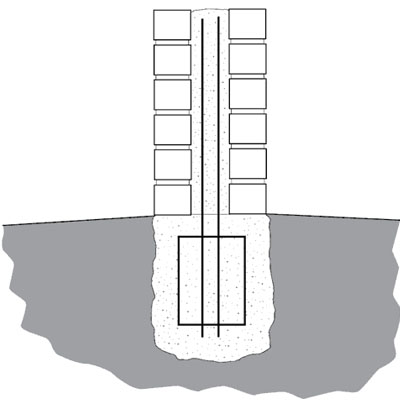
  • A widened base or bell-shaped footing, which helps lock the post into place and improves resistance against sideways pressure.
  • Footing adjustments on sloped ground, ensuring posts remain upright and aligned even when the surface is uneven.
  • Accurate alignment during setting, which prevents internal stress from developing once rails and panels are installed.
  • Consistent concrete volume across the entire run, so every post benefits from equal structural support.
How Fence Footings Affect Strength and Lifespan

Well-built footings provide predictable performance and significantly reduce movement over time. When each footing is shaped and set correctly, the fence has a much stronger foundation to handle changing conditions.

Why Gate Posts Need Stronger Footings Than Line Posts

Gate posts carry far greater mechanical load than the rest of the fence. Every opening and closing cycle applies downward and sideways pressure that transfers directly into the post and its footing. The weight of the gate, combined with the force applied during use, places repeated stress on the supporting structure. Without a stronger footing to absorb this load, the post can begin to rotate or shift, even when the rest of the fence remains stable.

The latch side of a gate also experiences impact each time the gate closes. Over time, these forces can compound if the footing is not designed to handle concentrated load in a single point. Stronger footings provide a larger support area and help prevent gradual misalignment in both the gate and the adjoining panels. When the footing under a gate post is built with extra depth and volume, the gate operates smoothly and maintains its alignment for a much longer period.

How Fence Footings Affect Strength and Lifespan

Signs Your Fence Has Footing Issues, Not Material Problems

Footing movement often shows itself in ways that can be mistaken for issues with the panels, rails, or posts above ground. These symptoms tend to develop slowly and may appear unrelated to the structure below the surface.

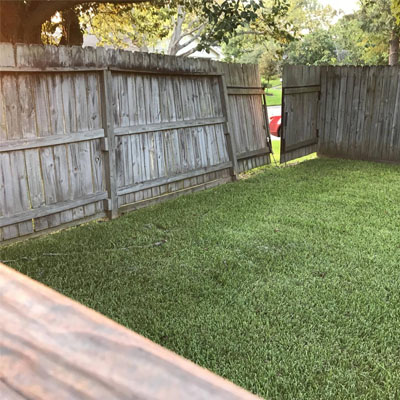
  • A gradual lean in one direction, even when the panels or rails remain in good condition.
  • Posts shifting after periods of heavy rain, signalling reduced support around the footing.
  • Uneven gaps forming between the bottom of the fence and the ground, indicating that one section has settled or lifted.
  • Gate alignment changing over time, such as latches no longer meeting cleanly or hinges beginning to bind.
  • Soil pulling away from the base of posts, which reduces side support and allows small movements to grow.
  • Panels no longer sitting level across the run, even though the materials themselves are still straight.
How Fence Footings Affect Strength and Lifespan

These changes usually begin below ground long before they appear at the surface. When these signs develop, it is often the footing that needs attention rather than the visible fence components.

How We Build Footings for Long-Term Strength

We focus on building footings that suit the conditions of each property rather than relying on a single approach for every job. Soil behaviour, fence height, wind exposure, and site layout all influence how a footing should be designed. Concrete volume, footing shape, and placement are matched to these conditions so the structure can handle ongoing load without gradual movement. This approach helps limit shifting posts and alignment issues as conditions change over time.

Our installation process prioritises consistency along the entire fence line. Posts are set accurately, supported evenly, and secured in a way that allows the fence to carry load without uneven stress. Gate posts receive additional attention due to the repeated force created by daily use. By tailoring each footing to its position and function, fences remain steady, reliable, and structurally sound well after installation.

How Fence Footings Affect Strength and Lifespan

Talk to Northside Fencing About Strong, Long-Lasting Footings

If a fence is leaning, shifting, or showing early signs of movement, correct footing design can make a major difference to long term performance. Contact Northside Fencing on (07) 3491 4100 or send an enquiry through the website to discuss footing solutions that support stable, durable fencing.

FAQ: Fence Footings

How deep should fence posts be set?

Post depth depends on fence height, wind exposure, and soil conditions. Taller fences require deeper footings to manage increased load, and reactive or loose soils often need additional depth to maintain stability. A post set to the correct depth is far less likely to shift as conditions change.

Why do fence posts lean over time?

Posts lean when the footing cannot support the forces acting on the fence. Shallow holes, weak concrete, or inconsistent support across the fence line can cause gradual movement. Leaning often begins below the surface even when the visible materials appear sound.

Does soil type change how footings are built?

Yes, different soils respond to moisture and pressure in different ways. Reactive clay expands and contracts, sandy soil offers less lateral support, and dense soil holds footings firmly. Each soil type requires adjustments to depth, concrete volume, and footing shape.

How long do concrete footings last?

Well-made concrete footings can perform for many years when they are set correctly and matched to the site conditions. Their lifespan depends on soil behaviour, moisture levels, and the structural loads applied to the fence. Consistent footing strength along the run helps maintain performance.

Can footing issues be repaired without replacing the fence?

Some footing problems can be corrected through targeted repairs such as resetting posts or reinforcing the existing concrete. When movement is widespread or the footings are structurally weak, replacing them may be the more reliable option. An assessment helps determine the best path forward.