Does Aluminium Fencing Rust? What Coastal Homeowners Should Know

Aluminium Does Not Rust, But It Can Corrode

The short answer is no, aluminium fencing does not rust in the same way as steel or iron-based materials. Rust forms when iron reacts with moisture and oxygen, while aluminium contains no iron. Instead, aluminium can develop oxidation or surface corrosion when exposed to harsh conditions over time.

That distinction is important for coastal properties. An aluminium fence can still be affected by salt, moisture and damaged surface coatings, but it generally handles these conditions differently from ferrous metals. This is one reason aluminium fencing is commonly considered for pool areas, coastal homes and other locations where moisture exposure is part of the environment.
What Salt Air Can Do to Aluminium Fencing

Coastal conditions expose fencing to salt carried through the air, which can settle on panels, rails, posts and gate hardware. On aluminium fencing, this does not create traditional rust, but salt and moisture can still contribute to aluminium fence corrosion, surface oxidation or deterioration in areas where residue is left to build up.

The risk is usually greater around sheltered sections that do not receive much rain, lower parts of the fence where moisture can linger and fittings where different materials meet. Regular exposure does not automatically mean an aluminium fence will deteriorate quickly, but salt air corrosion is something coastal homeowners need to account for when choosing finishes and planning maintenance.

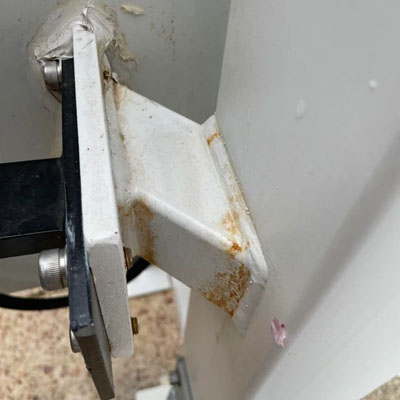
Does Aluminium Fencing Rust - Heavy oxidation

The Protective Finish Makes a Difference

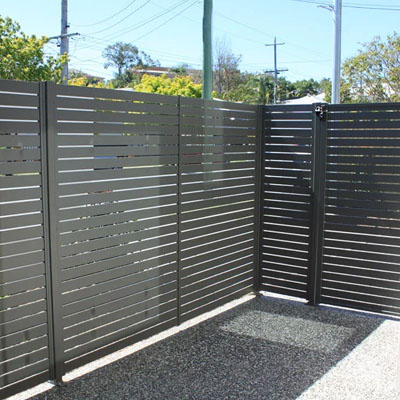
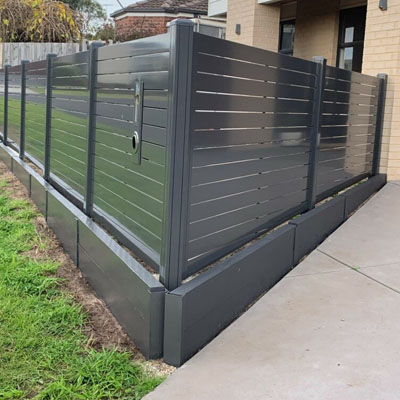
The surface finish plays a major role in how aluminium fencing handles long-term exposure. Powder coated aluminium fencing adds a protective layer over the metal while also providing the colour and finish seen around homes, pool areas and property boundaries. When that coating remains intact, it helps limit direct exposure to salt, moisture and everyday weathering.

Scratches, chips or damaged edges can reduce that protection and leave small areas more exposed than the rest of the fence. These spots do not necessarily mean the whole fence is failing, but they are worth keeping an eye on, particularly in coastal locations where salt can settle on the surface. Choosing a quality finish and dealing with visible damage early can help preserve both the appearance and performance of the fence.

Does Aluminium Fencing Rust - Powder coated aluminium fence

Why Aluminium Works Well for Coastal Properties

For coastal homes, aluminium fencing can be a strong choice because it handles moisture and salt exposure differently from iron-based materials. Its resistance to traditional rust makes it well suited to pool areas, open boundaries and properties closer to the coast where outdoor materials are exposed to changing weather throughout the year.

It also works well where homeowners want a lighter, more open fence style. Fencing for coastal homes often needs to balance durability, airflow and visibility without creating a heavy boundary around the property. Aluminium can suit these conditions while still offering a clean residential finish across front fencing, pool areas and other exposed sections.

Does Aluminium Fencing Rust - Aluminium fence

Looking After Aluminium Fencing Near the Coast

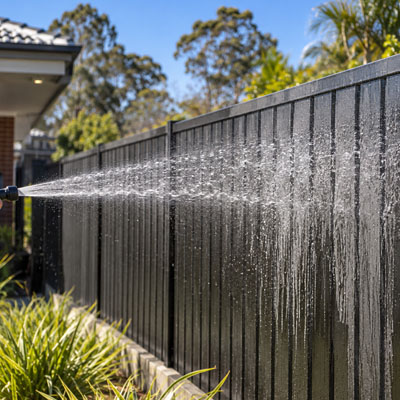
Coastal conditions can leave salt, dust and moisture sitting on the surface of aluminium fencing, so regular cleaning is the main maintenance priority. The aim is to stop residue building up in sheltered areas, around joins and near lower sections where moisture can linger for longer.

  • Rinse the fence with fresh water to remove salt deposits and surface grime before they build up.
  • Pay extra attention to sheltered sections that receive less natural rain and may hold salt for longer.
  • Check the powder-coated finish for scratches, chips or other damage that leaves the surface more exposed.
  • Keep soil, mulch and vegetation clear from the lower parts of the fence so moisture is not trapped against posts or rails.
  • Inspect gates and hardware for early signs of wear, coating damage or corrosion around moving components and fixings.
Does Aluminium Fencing Rust - Aluminium fencing maintenance

Regular coastal fence maintenance does not need to be complicated, but it can help preserve the appearance of the fence and catch small issues before they become more noticeable.

When Surface Changes Need More Attention

Not every mark on an aluminium fence is a sign of serious deterioration. Light surface residue, minor discolouration or small areas of oxidation can often be managed with cleaning and routine care. The point where more attention is needed is when the finish starts changing in a way that suggests the protective surface is breaking down.

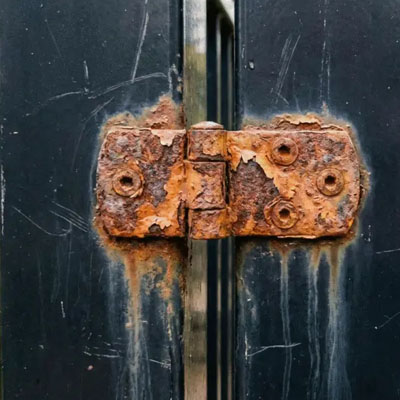
Bubbling or lifting powder coating, persistent white oxidation, corrosion around fixings, damaged gate hardware or deterioration spreading across several sections are all signs worth checking more closely. If these changes keep returning after cleaning or begin affecting the structure, appearance or operation of the fence, it may be time to assess whether repairs or replacement are the more practical option.

Does Aluminium Fencing Rust - Gate oxidation

Talk to Northside Fencing About Aluminium Fencing

For coastal and exposed properties, the right aluminium fencing system should suit the site, finish and level of ongoing maintenance expected. Northside Fencing can help with aluminium fencing for residential boundaries, pool areas and other outdoor applications across Brisbane, the Sunshine Coast and the Moreton Bay region.

Contact Northside Fencing on (07) 3491 4100 or send an enquiry online to discuss suitable fencing options for your property.

FAQ: Aluminium Fencing & Rust

No, aluminium fencing does not rust in the same way as steel or iron-based materials because aluminium does not contain iron. It can still oxidise or corrode under certain conditions, particularly where salt, moisture or coating damage is involved.

Yes, aluminium fencing can be a strong option for coastal properties because it handles moisture and salt exposure well compared with many ferrous metals. Regular cleaning and a quality protective finish still play an important role in long-term performance.

Salt air can contribute to aluminium fence corrosion if deposits are allowed to build up on the surface. Sheltered sections, fixings and areas that stay damp for longer generally need the most attention.

Yes, powder coated aluminium fencing adds a protective surface over the metal while also providing colour and finish. Scratches, chips or lifting coating can leave small areas more exposed, so visible damage should be checked early.

Cleaning frequency depends on how exposed the property is to salt air, wind and weather. Regular fresh-water washdowns are useful for removing salt and grime, particularly on sheltered sections that do not receive much natural rain.

Signs worth checking include persistent white oxidation, bubbling or lifting coating, corrosion around fixings and deterioration around gate hardware. If these issues continue after cleaning or start spreading across several sections, further inspection may be needed.