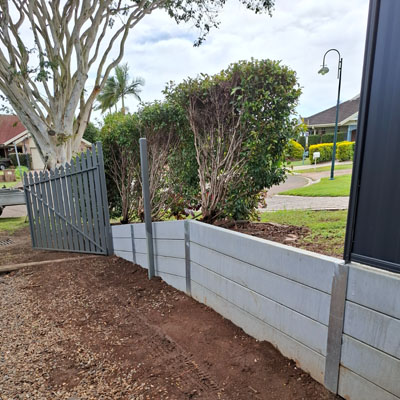
Concrete Sleeper Retaining Walls Compared to Other Materials

Retaining walls can be built from a range of materials, but not all perform the same under load and exposure. Differences in strength, durability, and consistency become more noticeable over time, particularly where soil pressure and moisture are present. Material selection plays a key role in how well a wall holds its shape and how much maintenance it requires.

Concrete sleeper retaining walls are widely used for their uniformity and long-term reliability. Compared to other materials, they offer consistent sizing and predictable performance across the full length of the wall. These characteristics help reduce movement, support alignment, and maintain structural integrity as conditions change over time.
Material Performance in Retaining Walls

Retaining wall materials differ in how they respond to pressure, moisture, and ground movement. Some materials maintain their shape under load, while others can shift, compress, or degrade over time. These differences become more noticeable in areas with changing soil conditions or consistent exposure to water.

Moisture plays a key role in long-term performance. Materials that absorb water or are affected by prolonged damp conditions can weaken, which increases the risk of movement or surface deterioration. Ground movement adds another layer of stress, particularly on sloped sites or reactive soils. Selecting materials that handle these conditions consistently helps the wall remain stable and reduces the need for ongoing adjustment.

Common Retaining Wall Materials

Several materials are commonly used in retaining wall construction, each with different characteristics in terms of strength, durability, and long-term performance. Understanding these differences helps when comparing how each option behaves under real site conditions.

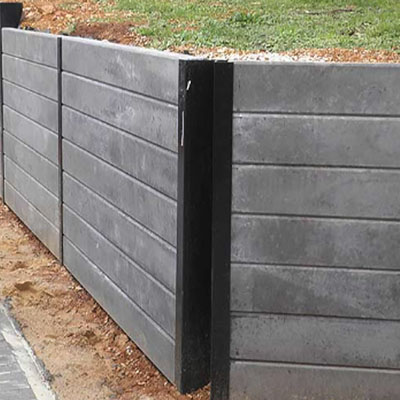
  • Concrete sleepers, known for consistent sizing, strength, and resistance to moisture and ground movement.
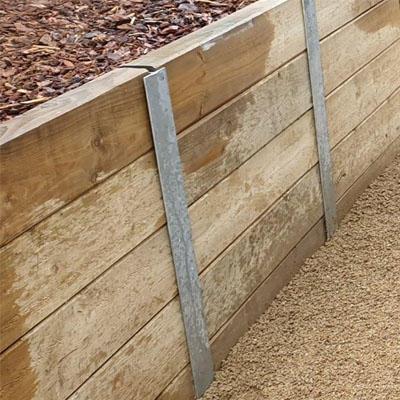
  • Timber systems, often used for lower walls, with performance influenced by exposure and long-term durability.
  • Concrete block systems, which rely on correct installation and reinforcement for stability.
  • Natural stone, selected for appearance, with performance depending on placement and support.

Each material can be suited to particular applications, but their behaviour over time varies depending on load, environment, and installation quality. Comparing these characteristics helps determine which option will perform reliably for the conditions.

Materials used commonly in retaining walls

Concrete Sleeper Retaining Walls and Consistent Strength

Concrete sleeper retaining walls are manufactured to consistent dimensions and strength ratings, which allows for predictable performance across the entire structure. Each sleeper is produced under controlled conditions, reducing variation between sections and helping the wall distribute load evenly. This uniformity supports alignment and stability, particularly in longer runs where inconsistencies can lead to movement over time.

In addition to structural consistency, concrete sleepers are available in a range of finishes that suit different site aesthetics. Options include smooth concrete profiles, timber-look finishes such as mocha and smokey tones, and textured styles like grey stack stone or paperbark sandstone block. These variations allow the wall to align with surrounding landscaping while maintaining the same level of strength and durability.

Maintenance and Upkeep Differences Between Materials

Retaining wall materials do not place the same demands on upkeep once installed. Some systems are more likely to require ongoing monitoring as conditions change, particularly where moisture exposure, soil movement, or surface wear affect performance over time. Others maintain a more consistent finish and structure with less need for correction.

These differences influence long-term value as much as initial appearance. Materials that are less prone to deterioration, alignment changes, or surface breakdown generally reduce the need for repair or replacement over the life of the wall. Where the goal is a retaining wall that remains stable and presentable with minimal ongoing attention, material choice becomes an important part of the decision.

Maintenance and upkeep differs depending on materials used

Installation Differences Across Material Types

Installation requirements vary between retaining wall materials, and these differences affect how accurately the wall can be set and how it performs once in place. Heavier systems such as concrete sleepers require stable support and precise alignment to ensure load is distributed evenly. This allows the wall to maintain consistency across longer runs without developing uneven pressure points.

Other material types can be more sensitive to variation during installation. Differences in sizing, placement, or support can introduce inconsistencies that affect how the wall settles over time. Achieving correct alignment, spacing, and support across the full length of the wall is essential, regardless of material, to maintain stability and reduce the likelihood of movement after installation.

Where Concrete Sleepers Are Commonly Used

Concrete sleeper retaining walls are suited to a range of applications where consistent performance and long-term stability are required. Their uniform construction and resistance to moisture make them a practical choice across different site conditions.

  • Residential boundaries, where retaining walls define usable space and manage level changes.
  • Sloped properties, where consistent support is needed to prevent soil movement.
  • Drainage-prone areas, where exposure to moisture can affect less durable materials.
  • Long straight retaining runs, where uniform sizing helps maintain alignment across extended sections.

These applications highlight where consistent strength and predictable behaviour are most beneficial. Matching the material to the conditions helps ensure the wall performs reliably over time.

Concrete sleeper retaining wall being constructed

Concrete Sleeper Retaining Walls in Local Conditions

Ground conditions across Brisbane, the Sunshine Coast, and the Moreton Bay region can vary between stable soils, reactive ground, and areas with high moisture exposure. These variations place different demands on retaining walls, particularly where soil movement or drainage is a factor. Materials that maintain their shape and strength under these conditions help reduce long-term movement and support consistent performance.

Concrete sleeper retaining walls are commonly used in these environments because they provide uniform support across changing conditions. Their resistance to moisture and consistent sizing allows the wall to remain aligned even where ground behaviour varies along the run. When matched to local site conditions, they offer a stable and durable solution for managing elevation changes across residential properties.

Talk to Northside Fencing About Concrete Sleeper Retaining Walls

Selecting the right retaining wall material helps reduce movement, manage drainage, and maintain long-term stability. Contact Northside Fencing on (07) 3491 4100 or get in touch online to discuss concrete sleeper retaining wall options across Brisbane, the Sunshine Coast, and the Moreton Bay region.

FAQ Concrete Sleepers vs Other Materials

Are concrete sleeper retaining walls suitable for most residential sites?

Concrete sleepers are widely used across residential properties due to their consistent strength and resistance to moisture. Suitability depends on site conditions and retained height.

Do concrete sleeper retaining walls require maintenance?

They generally require minimal maintenance compared to other materials. Periodic inspection helps ensure alignment and drainage remain effective.

How long do concrete sleeper retaining walls last?

With proper construction and drainage, concrete sleeper retaining walls can perform reliably for many years. Longevity depends on site conditions and installation quality.

Can concrete sleeper walls be used on sloped blocks?

Yes, they are commonly used on sloped properties where consistent support is required to manage elevation changes.

Are there different finishes available for concrete sleepers?

Concrete sleepers are available in a range of finishes, including smooth profiles, timber-look designs, and textured styles to suit different landscapes.