Common Non-Compliance Issues in Existing Pool Fences

Pool fence compliance is a key safety requirement in Queensland, yet many existing fences fall short without obvious signs. Weathering, soil movement, and past landscaping changes can alter heights, widen gaps, or create new climb points that bring a fence outside the limits set by AS 1926.1. Older barriers are especially prone to these issues because their original designs may not match current rules.

We support homeowners across South East Queensland with fencing solutions built to meet modern standards and hold their measurements over time. When a fence fails an inspection, the cause is usually linked to height, spacing, gate behaviour, or objects near the barrier. These issues are manageable once identified, and we can help restore compliance so your pool area remains safe and legally sound.
Why Existing Pool Fences Fail Compliance Checks

Many existing pool fences fail compliance checks because small changes around the property gradually affect how the barrier performs. Soil movement can lift or lower sections of the fence, widening gaps or reducing effective height. Storms and heat can weaken fixings, shift panels, or distort materials, and these changes often go unnoticed until an inspection takes place. Older fences that were built before current standards are also more likely to fall outside today’s required clearances.

Property updates can also affect compliance over time. Landscaping that once met the rules may create footholds as plants mature or garden beds rise. New structures, outdoor features, or stored items can fall within the non-climbable zone and immediately breach the standard. Even minor deterioration can bring a fence under the minimum height or affect the way a gate closes, which means a fence that once passed may no longer meet the requirements set by AS 1926.1.

Common Non-Compliance Issues in Existing Pool Fences

Frequent Measurement Failures in Pool Barriers

AS 1926.1 sets strict measurements for pool barrier heights, gaps, and spacing, and many older fences drift outside these limits as materials shift or age. These measurement changes are often subtle, yet they are among the most common reasons a pool fence fails a compliance check.

  • Fences under the 1200 mm minimum height, often due to soil build-up, structural movement, or settling over time.
  • Gaps greater than 100 mm under the fence or between verticals, which can appear as posts move or materials deteriorate.
  • Climbable zones within 900 mm of the barrier, caused by nearby objects, landscaping, or horizontal elements.
  • Boundary fences that fall short of the 1800 mm requirement when used as part of the pool barrier.
  • Horizontal rails positioned in ways that create footholds, particularly on older designs.
  • Ground level changes that reduce effective barrier height, such as mulch, garden beds, or soil shifts.
Common Non-Compliance Issues in Existing Pool Fences

These issues are usually measurement based and can be corrected once identified. Regular checks help prevent small dimensional changes from developing into a compliance failure.

Gate and Latch Problems That Create Safety Risks

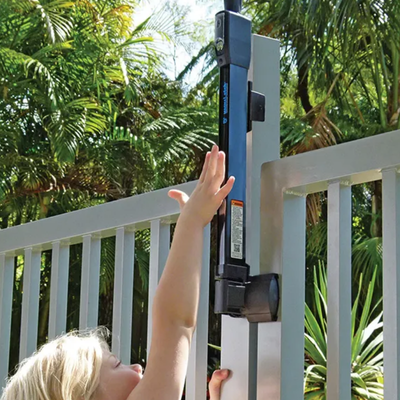
Gate performance is a major factor in pool fence compliance, and issues often develop slowly as the gate hardware wears. A compliant pool gate must close and latch from every open position, yet hinges can weaken, posts can shift, and materials can swell with weather changes. These small movements can slow the gate or prevent the latch from engaging, which immediately brings the barrier outside the requirements of AS 1926.1. Even minor sagging can create alignment problems that stop the gate from closing with enough force.

Latch height is another point that frequently causes failures. The latch must be positioned so it cannot be accessed by young children and must meet specific height requirements to remain compliant. Over time, adjustments, renovations, or hardware replacements can bring the latch below the required height. When combined with worn hinges or an unreliable closing action, these issues make gate areas one of the most common reasons a pool fence fails an inspection.

Common Non-Compliance Issues in Existing Pool Fences

Non-Climbable Zone Issues Around the Fence Line

The non-climbable zone around a pool fence is designed to prevent children from using nearby objects or structures to gain access. Over time, changes in the yard can create footholds that fall within this 900 mm zone and immediately bring a fence out of compliance.

  • Pots, bins, and garden equipment that are moved close to the fence for convenience.
  • Climbing plants or hedges that grow thick enough to create natural steps or handholds.
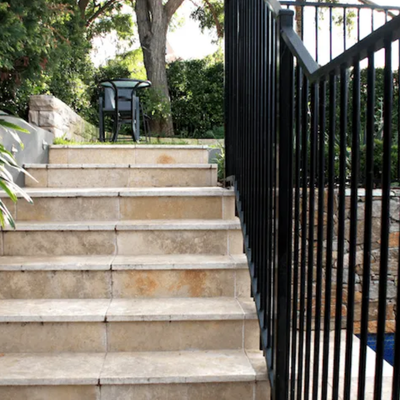
  • Raised garden beds or retaining walls positioned in ways that reduce the effective barrier height.
  • Outdoor furniture and toys placed or stored against the fence.
  • Decorative attachments that unintentionally create climbing opportunities.

Many of these issues develop gradually, which makes them easy to overlook between inspections. Regular checks around the fence line help keep the non-climbable zone clear and reduce the risk of a compliance failure.

Common Non-Compliance Issues in Existing Pool Fences

Material Wear, Movement, and Deterioration Over Time

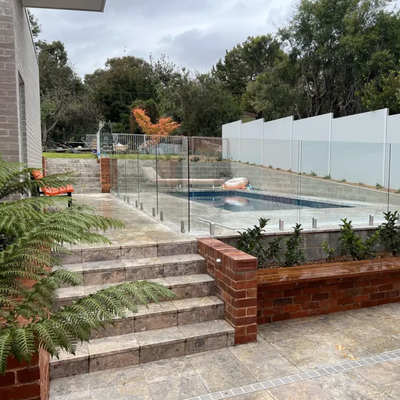
Ageing materials are a major cause of compliance issues in existing pool fences, especially in Queensland’s warm and storm-prone climate. Metal can corrode, timber fencing can warp, and glass panels can shift slightly as posts loosen or footing strength reduces. These small changes often widen gaps, reduce height, or alter the overall stability of the barrier, even if the fence still appears sound at a glance. Once a gap exceeds 100 mm or a panel drops in height, the fence no longer meets the requirements of AS 1926.1.

Ground movement can also affect long-term compliance. Heavy rain, soil contraction, and structural settling can cause posts to lean, move, or separate from adjoining panels. This movement may reduce the effectiveness of fixings or create misalignment between gates and latches. A fence that was once fully compliant can develop these issues slowly, making periodic assessments important for maintaining a safe and legally compliant pool area.

Common Non-Compliance Issues in Existing Pool Fences

When Boundary Fences Fail as Pool Barriers

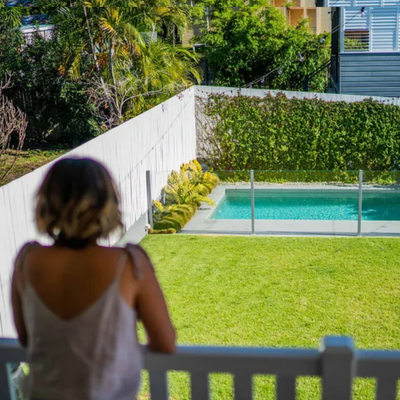
Boundary fences are often relied upon as part of a pool barrier, but many were not built with compliance in mind. Over time, changes in height, attachments, or neighbouring structures can affect whether the boundary still meets the requirements set out in AS 1926.1.

  • Boundary fences under 1800 mm when used as part of the pool barrier.
  • Climbable rails or supports on the pool side, which reduce the effective barrier height.
  • Gaps that develop through ageing, weathering, or soil movement, especially in older fencing.
  • Attachments such as brackets, clotheslines, or fixtures that create footholds.
  • Changes on a neighbouring property, including landscaping or raised surfaces that reduce the effective barrier height on their side.

Boundary fencing issues can be difficult for homeowners to identify because many develop gradually or are influenced by work done outside the property. These problems often require targeted upgrades to bring the barrier back to full compliance.

Common Non-Compliance Issues in Existing Pool Fences

How We Help Bring Existing Fences Back to Compliance

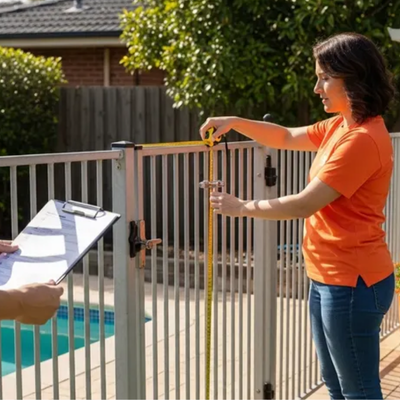
We assist homeowners across South East Queensland with practical upgrades that bring existing pool fencing back in line with AS 1926.1. Our work begins with accurate measurements so we can identify the exact areas causing non-compliance, whether the issue relates to height, spacing, damaged materials, or gate performance. We provide clear recommendations and supply fencing options that maintain strength, resist movement, and hold their measurements over time. This approach helps create a barrier that is both compliant and suited to the conditions around your pool.

Our team also supports homeowners with adjustments to surrounding areas that may affect barrier performance. Raised garden beds, stored items, ground level changes, and climbing vegetation can all interfere with compliance, and we advise on the steps needed to correct these issues. When replacement is required, we supply fencing that delivers lasting durability and matches the layout of the property. By addressing the full range of factors that influence compliance, we help restore safety and confidence around your pool area.

Common Non-Compliance Issues in Existing Pool Fences

Talk to Us About Pool Fence Compliance

If your pool fence needs upgrades or you are unsure whether it meets current standards, we can help you bring it back to full compliance. Contact us on (07) 3491 4100 or get in touch with us online for practical advice and fencing options that keep your pool area safe and aligned with AS 1926.1.

FAQ

What is the minimum height for a pool fence in Queensland?

The minimum height for a pool fence is 1200 mm, measured from finished ground level to the top of the barrier. This height must be consistent along the entire fence line. If ground levels rise due to mulch, soil movement, or garden beds, the effective height can fall below 1200 mm, which brings the barrier out of compliance.

What is the maximum allowable gap under a pool fence?

Gaps under the fence cannot exceed 100 mm at any point. This applies to the clearance beneath the barrier and the spacing between vertical members. Any movement in the fence that increases these gaps will cause it to fail a pool safety inspection.

Why do gates fail pool safety checks so often?

Gates commonly fail because they no longer self-close or self-latch from every position. Hinges may weaken, posts may shift, or materials may swell with seasonal changes, which slows the closing action or prevents the latch from engaging. Latch height issues are another frequent cause of non-compliance.

Can I repair a pool fence myself to pass an inspection?

Homeowners can correct simple issues such as removing climbable objects or adjusting garden beds, but work on the fence structure itself should follow the requirements of AS 1926.1. We can assess the barrier and provide solutions that meet the standard, which helps avoid repeat inspections and unexpected repair costs.

How often should I check my pool fence for compliance?

It is a good idea to check your pool fence several times a year, especially after storms, landscaping work, or ground changes. Regular checks help identify early movement, worn hardware, or new climbable points that may affect compliance.