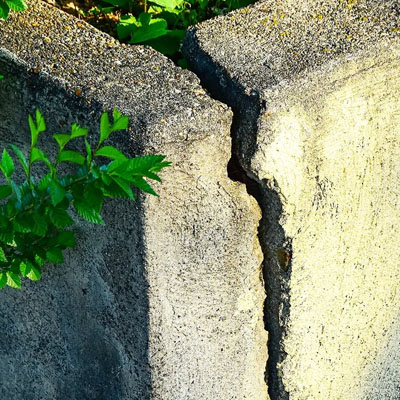
Why Retaining Walls Start to Shift Over Time

Retaining walls are often installed to create a stable, level area, and they can appear solid and aligned when first completed. Over time, however, small changes can begin to develop along the wall, particularly where conditions behind and beneath the structure start to shift. These changes are not always immediate and can take months or years to become noticeable.

Movement in a retaining wall is usually a gradual process rather than a sudden failure. Pressure builds, ground conditions change, and materials respond differently under load. What starts as a minor variation in alignment can become more visible over time, affecting both the appearance and performance of the wall.
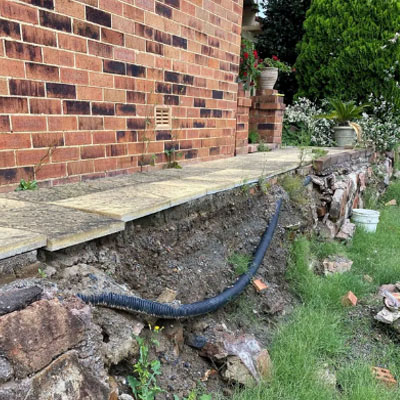
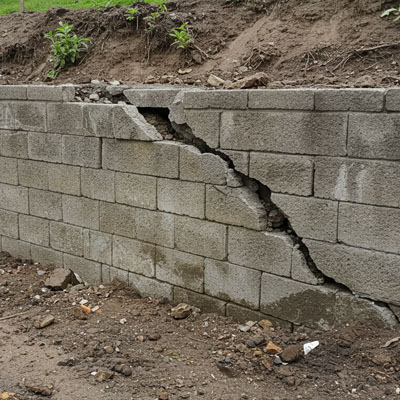
Soil Pressure Builds Over Time

The pressure behind a retaining wall does not remain constant after installation. As soil settles and compacts, the load against the wall can increase, particularly where backfill is uneven or continues to shift. This gradual change in pressure can affect how the wall holds its position over time.

Moisture plays a major role in this process. When soil becomes saturated, it becomes heavier and applies more force to the structure. Repeated wet and dry cycles can also cause expansion and contraction, which places additional stress on the wall. As these conditions develop, even a well-built wall can begin to show small signs of movement if the pressure is not managed effectively.

Drainage Issues That Lead to Movement

Water build-up behind a retaining wall is one of the most common causes of gradual movement. When drainage is limited or inconsistent, pressure increases beyond what the wall is designed to handle, particularly after periods of heavy rain.

  • Water collecting behind the wall, adding weight and increasing pressure on the structure.
  • Blocked or ineffective drainage paths, which prevent water from escaping the backfill area.
  • Saturated soil conditions, where moisture increases both weight and internal pressure.
  • Poor surface runoff, allowing water to flow toward the wall rather than away from it.

These conditions often develop over time rather than appearing immediately after installation. Managing drainage effectively helps control pressure and reduces the likelihood of the wall shifting as conditions change.

Why Retaining Walls Start to Shift Over Time - Drainage

Footing and Base Stability Problems

The stability of a retaining wall depends heavily on the ground it sits on. If the base beneath the wall settles unevenly or shifts over time, the structure can begin to move out of alignment. This movement is often gradual and may first appear as slight leaning or changes in level along the wall.

Ground conditions can change after installation due to moisture, compaction, or surrounding activity. Areas with softer soil or inconsistent preparation are more prone to settling, which affects how the wall is supported. When the base is no longer uniform, pressure is distributed unevenly, increasing the likelihood of visible movement along the run. Systems such as concrete sleeper retaining walls rely on consistent post support, which makes stable base conditions critical to maintaining alignment over time.

Uneven Load Across the Wall

Not all sections of a retaining wall experience the same level of pressure. Differences in soil height, added weight, and site layout can create uneven load along the length of the wall, which increases the chance of movement in specific areas.

  • Changes in retained soil height, where higher sections place more pressure on the wall than lower areas.
  • Added weight near the wall, such as driveways, paths, or structures that increase load in certain sections.
  • Sloped or stepped sites, where pressure varies along the run rather than remaining consistent.
  • Inconsistent backfill conditions, where different materials or compaction levels affect how load is applied.

These variations can cause some sections of the wall to move while others remain stable. Over time, this leads to visible alignment changes that make the wall appear uneven.

Why Retaining Walls Start to Shift Over Time - Uneven load

Material Behaviour Over Time

Different retaining wall materials respond differently to pressure, moisture, and ground movement. Some systems maintain consistent shape under load, while others can shift, compress, or gradually lose alignment as conditions change. These differences become more noticeable over time, particularly where the wall is exposed to ongoing stress from soil and moisture.

Materials with consistent strength and uniform construction tend to hold their line more reliably across the length of the wall. For example, concrete sleeper retaining walls are manufactured to consistent dimensions and strength, which helps maintain alignment under load and reduces variation between sections. In contrast, systems that rely on varied components or are more sensitive to moisture can show earlier signs of movement, especially where load is not evenly distributed. Over time, this difference in behaviour becomes more visible along the wall, particularly in longer runs or areas with changing conditions.

Early Signs a Wall Is Starting to Shift

Movement in a retaining wall usually becomes visible in small ways before it develops into a larger issue. These early signs can appear gradually and are often easiest to spot when looking along the length of the wall rather than at a single section.

  • Slight leaning or tilting, where the wall begins to move forward away from the retained soil.
  • Gaps forming between sections, particularly where panels or joints no longer sit flush.
  • Hairline cracking, which can indicate stress building within the structure.
  • Uneven alignment along the run, where parts of the wall no longer follow a straight line.

Identifying these changes early makes it easier to address the underlying cause before movement becomes more pronounced. Regular checks along the full length of the wall can help catch these issues as they develop.

Why Retaining Walls Start to Shift Over Time - Shift

Talk to Northside Fencing About Retaining Wall Stability

Addressing movement early helps prevent larger alignment issues over time. Contact Northside Fencing on (07) 3491 4100 or contact us online to discuss retaining wall options suited to site conditions across Brisbane, the Sunshine Coast, and the Moreton Bay region.

FAQ: Shifting Retaining Walls

Is it normal for retaining walls to move over time?

Small amounts of movement can occur as soil settles and conditions change, but noticeable shifting usually indicates pressure or support issues.

What is the most common cause of retaining wall movement?

Water build-up behind the wall is one of the most common causes, as it increases pressure and adds weight to the retained soil.

Can a retaining wall be straightened once it starts leaning?

No. Materials respond differently to moisture, pressure, and ground movement, which affects how well they maintain alignment.

Do all retaining wall materials behave the same over time?

Gates can maintain the same level of security when they are correctly integrated and aligned with the fencing system.

How can movement in a retaining wall be reduced?

Managing drainage, ensuring stable support, and selecting materials suited to the site all help reduce long-term movement.