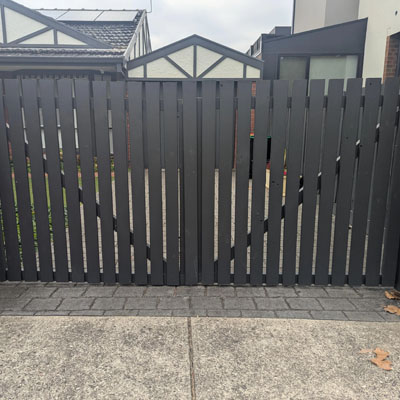
Why Fence Gates Stop Closing Properly

Fence gates are exposed to more movement and stress than fixed fence sections, which means alignment problems can develop over time even when the surrounding fence remains stable. Opening and closing the gate repeatedly places ongoing load on hinges, posts, and latch points, particularly on larger or heavier gates.

These issues often begin gradually rather than appearing all at once. A gate may start sticking slightly, stop lining up cleanly with the latch, or develop uneven gaps around the frame. As movement and wear continue, the problem usually becomes more noticeable and can affect how securely and smoothly the gate operates.
Post Movement and Ground Shifting

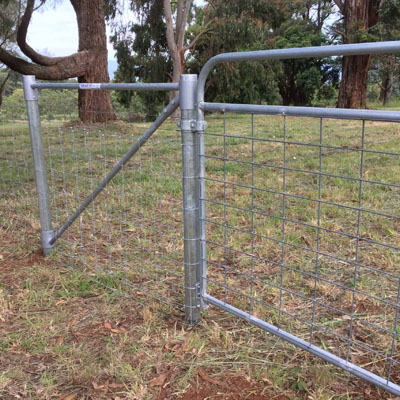
Fence gates rely heavily on the stability of the posts supporting them. Unlike fixed fence sections, gates place ongoing directional load on hinge posts every time they are opened or closed. If the supporting post begins to shift or settle, even slightly, the gate can move out of alignment quickly.

Ground movement, settling, and changes in soil conditions can all affect how the post holds its position over time. As the support changes, the gate may begin to sag, drag, or stop lining up correctly with the latch. Larger gates, including automated gate systems can place even greater stress on the supporting structure, which makes stable installation and ongoing alignment more important.

Why Fence Gates Stop Closing Properly - Post Movement

Hinge Problems That Affect Gate Alignment

Hinges play a major role in how smoothly a gate opens, closes, and maintains alignment over time. Because gates are constantly moving, hinge hardware is exposed to ongoing stress that can gradually affect positioning and operation.

  • Loose hinge fixings, which allow small shifts in the gate position during movement.
  • Worn hinge components, where repeated use creates play that affects alignment.
  • Poor load distribution, where gate weight is not supported evenly across the hinges.
  • Corrosion or hardware deterioration, which can restrict movement or weaken support points.

Small hinge-related issues often become more noticeable as the gate continues to operate under load. Maintaining stable hardware and correct support helps reduce the likelihood of alignment problems developing over time.

Why Fence Gates Stop Closing Properly - Gate Hinge Problems

Gate Weight and Structural Stress

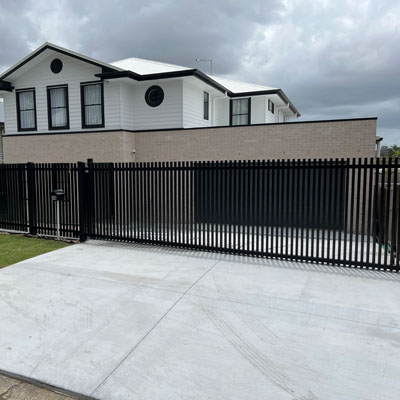
Gate weight has a direct effect on how much stress is placed on posts, hinges, and supporting hardware over time. Larger driveway gates, wider openings, and solid gate designs all create greater ongoing load during operation. As this stress is repeated through daily use, even small amounts of movement can gradually affect alignment.

Automated gates introduce additional considerations because the opening system applies force consistently during each cycle. If the gate structure and support are not matched correctly to the size and weight of the gate, this repeated load can increase wear on hinges, posts, and latch points. Matching the gate design to how frequently it will be used helps reduce long-term stress and supports smoother operation over time.

Why Fence Gates Stop Closing Properly - Heavy Weight

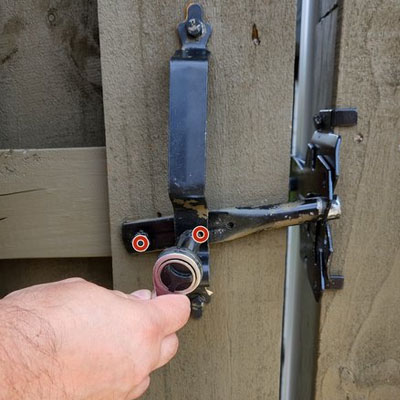
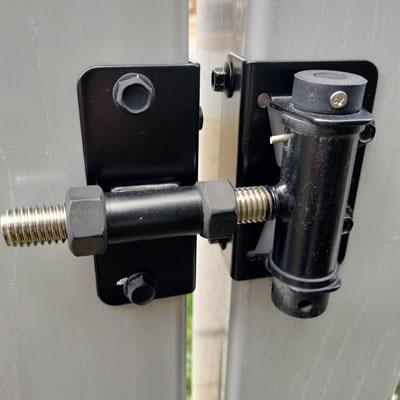
Latch and Closing Mechanism Issues

Latch and closing problems are often one of the first signs that a gate is starting to move out of alignment. Even small shifts in the gate position can affect how smoothly the latch engages and how much force is needed to close the gate properly.

  • Latch misalignment, where the gate no longer meets the catch cleanly during closing.
  • Gate dragging, which changes the closing angle and affects latch positioning.
  • Resistance during closing, where additional force is needed to engage the mechanism.
  • Uneven gaps around the frame, which can indicate the gate is no longer sitting square.

These problems usually become more noticeable over time as movement and wear continue. Addressing alignment changes early helps prevent additional stress on the latch system and reduces further deterioration in gate operation.

Why Fence Gates Stop Closing Properly - Latch & Mechanism Issues

Reducing Long-Term Gate Alignment Problems

Reducing long-term alignment issues starts with selecting a gate system that suits the size, usage demands, and conditions of the site. Proper support, correctly matched hardware, and stable post installation all influence how well the gate maintains its position over time. Discussing the application with an experienced fence and gate installer before selecting materials or automation systems can also help identify structural requirements that reduce the likelihood of ongoing alignment problems.

Across Brisbane, the Sunshine Coast, and the Moreton Bay region, gate systems are exposed to varying levels of use, weather, and ground movement. Matching the gate design to these conditions helps reduce stress on hinges, posts, and latch systems over the long term. Whether the application involves pedestrian access, driveway entry, or automated operation, selecting the right gate structure plays a major role in maintaining smooth and reliable performance.

Why Fence Gates Stop Closing Properly

Talk to Northside Fencing About Gate Installation and Alignment

Proper gate design and support help reduce long-term alignment and closing problems. Contact Northside Fencing on (07) 3491 4100 or submit an enquiry through the website to discuss gate solutions across Brisbane, the Sunshine Coast, and the Moreton Bay region.

FAQ: Gate Not Closing Properly

Why does my fence gate suddenly stop closing properly?

Small amounts of movement in posts, hinges, or latch points can gradually affect alignment until the gate no longer closes cleanly.

Can heavy gates cause alignment problems?

Yes. Larger and heavier gates place greater ongoing load on hinges and support posts, particularly with frequent use.

Do automated gates require different support?

Automated gates apply repeated force during operation, which means support posts and hardware need to suit the system and gate weight.

Can loose hinges affect how a gate closes?

Loose or worn hinges can allow the gate to shift position during movement, affecting both alignment and latching.

How can gate alignment problems be reduced?

Correct support, stable post installation, and gate systems matched to the site and level of use all help reduce long-term issues.