Who Pays for a Dividing Fence in Queensland?

The Basic Rule for Dividing Fence Costs in Queensland

Under Queensland’s Neighbourhood Disputes (Dividing Fences and Trees) Act 2011, adjoining property owners generally contribute equally to the cost of building and maintaining a sufficient dividing fence. That means the usual starting point is a shared contribution, but it does not automatically mean every fencing proposal must be split 50/50. The amount each neighbour is responsible for can depend on whether the proposed work goes beyond what is considered sufficient for the properties involved.

Where a dividing fence is built on the common boundary, it is generally owned equally by the adjoining neighbours. Before replacing or substantially changing a shared fence, it is therefore important to discuss the proposed work and costs with the neighbouring owner rather than arranging the work independently and assuming half the cost can be recovered later. QCAT specifically recommends consulting the adjoining owner before fencing work begins.
What Counts as a Sufficient Dividing Fence?

In Queensland, a sufficient dividing fence is not simply whichever fence one neighbour prefers. For two adjoining residential properties, the Act says a dividing fence is sufficient if it is between 0.5 metres and 1.8 metres high and is made substantially from an accepted fencing material. Those materials include options such as chain wire, metal panels or rods, brick, concrete blocks and other materials commonly used for dividing fences. Neighbours can also agree that a different fence is sufficient, or QCAT can decide what is appropriate for the properties involved.

If there is a disagreement, QCAT can look at the existing or previous fence, how both properties are used, the type of fencing normally used in the area, whether the fence can reasonably be maintained, development approval requirements and any written agreements between the owners. This means the standard for a dividing fence in Queensland can depend on the circumstances rather than being based on one preferred material or design.

Who Pays for a Dividing Fence in Queensland - Dividing fence

What If One Neighbour Wants a More Expensive Fence?

Neighbours are generally required to contribute equally towards the cost of a sufficient dividing fence, but that does not mean one owner can choose a more expensive design and automatically expect the other owner to pay half. Under section 21 of Queensland’s Neighbourhood Disputes (Dividing Fences and Trees) Act 2011, an owner who wants fencing work above the standard required for a sufficient dividing fence is responsible for the additional cost.

For example, the neighbours might agree that a standard metal panel fence is sufficient, while one owner prefers a higher-specification or more elaborate fence. The usual shared contribution would relate to the sufficient fence, while the owner requesting the upgrade would generally cover the difference. Agreeing on the fence type, specification and expected contributions before ordering materials or starting work helps avoid disputes over shared fence costs later.

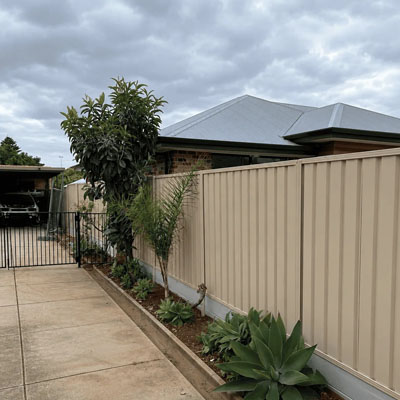
Who Pays for a Dividing Fence in Queensland - Neighbour fence

Before Replacing a Shared Fence, Talk to the Neighbour First

If you want the neighbouring owner to contribute to a new or replacement dividing fence, Queensland law provides a formal notice process. A notice to contribute must describe where the fencing work is proposed, explain the type of work, state the estimated cost including labour and materials and include at least one written quotation. The notice can also propose that costs be shared in proportions other than 50/50.

Before reaching that stage, QCAT recommends discussing the proposed fence with the neighbour first. If there is still no agreement after a notice is served, either owner may apply to QCAT once one month has passed, but that application must be made within two months after the notice was given. For non-urgent work, the fence should not simply be built while the proposed work or contributions remain disputed.

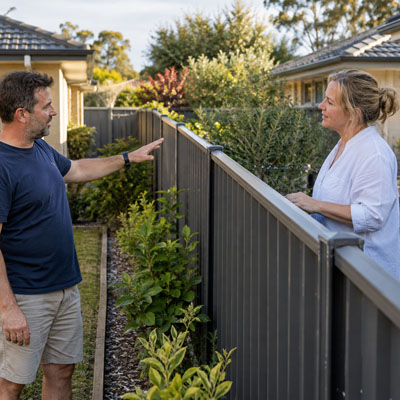
Who Pays for a Dividing Fence in Queensland - Discussion over fence

What Happens If Neighbours Cannot Agree?

If the neighbours cannot agree on the proposed dividing fence, contribution amount or type of work after the notice process, either owner can apply to QCAT once the required timeframe has passed. QCAT can make orders about dividing fence disputes, including the type of fence, who pays what share, the alignment of the fence and when the work should be carried out.

QCAT also makes it clear that if the neighbour disputes the cost, type of fence or repairs, non-urgent work should not simply proceed without agreement or a QCAT order. If fencing work is started without the neighbour’s agreement or authorisation, the other owner may be able to seek orders requiring the fence to be removed, modified or rectified.

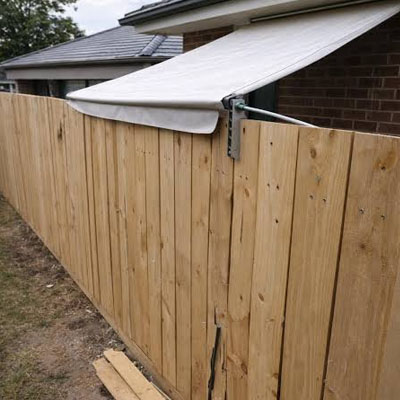
Who Pays for a Dividing Fence in Queensland - Dispute over fencing

Situations Where the Usual Cost Rules Can Change

Equal contributions do not apply in every situation. Responsibility can change depending on why the work is needed and whether one owner is asking for something beyond a sufficient dividing fence.

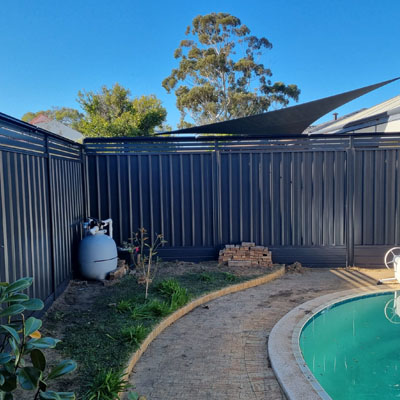
Who Pays for a Dividing Fence in Queensland - Pool boundary fence

These situations are why a dividing fence should not automatically be treated as a simple 50/50 expense.

Talk to Northside Fencing About a New or Replacement Boundary Fence

If you are planning a new dividing fence or replacing an existing boundary fence, having a clear quote and agreed fence specification can make discussions between neighbours much easier. Northside Fencing can help with suitable materials, replacement options and written fencing quotes across Brisbane, the Sunshine Coast and the Moreton Bay region.

Contact Northside Fencing on (07) 3491 4100 or send an enquiry online to discuss the fencing work required for your property.

FAQ: Dividing Fence Cost

Generally, adjoining owners are responsible for equal contributions towards building and maintaining a sufficient dividing fence. That does not mean every fencing proposal must automatically be split 50/50. If one owner wants work beyond what is considered sufficient, they may be responsible for the additional cost. The Queensland dividing fence legislation sets out these responsibilities.

If one neighbour wants a fence that exceeds what is required for a sufficient dividing fence, they are generally responsible for the extra cost and associated maintenance above the sufficient standard. QCAT explains how higher-specification dividing fences are treated where neighbours want different levels of work.

For non-urgent work, the normal process is to discuss the proposed fencing with the neighbour and, if necessary, issue a notice to contribute for fencing work. If the neighbour disputes the cost, fence type or repairs, QCAT states that the work should not simply proceed without agreement or authorisation through a QCAT order.

For two adjoining residential properties, the legislation generally describes a sufficient dividing fence as being between 0.5 metres and 1.8 metres high and made substantially from prescribed fencing material, subject to relevant local laws. What counts as a sufficient dividing fence can also be established by agreement between the neighbours or decided by QCAT where there is a dispute.

If there is no agreement within one month after a notice to contribute is given, either adjoining owner may apply to QCAT, provided the application is made within two months after the notice was given. The QCAT dividing fence dispute process also outlines mediation and the steps that apply when neighbours cannot reach agreement themselves.

Generally, no. Under the Act, a retaining wall is not defined as a fence, and QCAT notes that retaining walls usually serve a different purpose and may primarily benefit one property. However, QCAT can make orders involving retaining wall work where the fencing work depends on it. QCAT explains how retaining walls are treated in dividing fence disputes where the two types of work are connected.