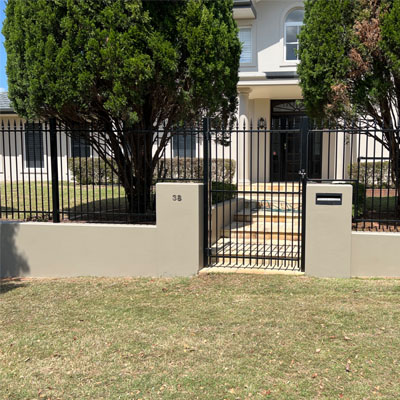
What Makes Palisade Fencing Effective for Perimeter Security

Perimeter fencing plays a central role in protecting commercial, industrial, and high-risk properties. A secure boundary does more than define property lines. It discourages unauthorised access, limits concealment opportunities, and establishes a visible line of control around a site. When perimeter systems are designed properly, they reduce security risks before intrusion attempts occur.

Palisade fencing is built specifically for environments where security is a priority rather than an afterthought. Its vertical steel construction, controlled spacing, and open profile create a barrier that is difficult to climb, cut, or bypass without detection. Unlike decorative or privacy fencing, palisade systems are engineered to function as part of a broader security strategy, supporting long-term site protection through strength, visibility, and consistency.
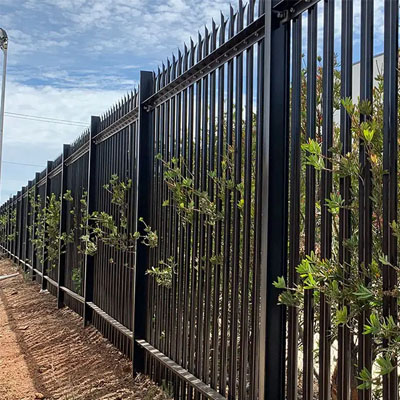
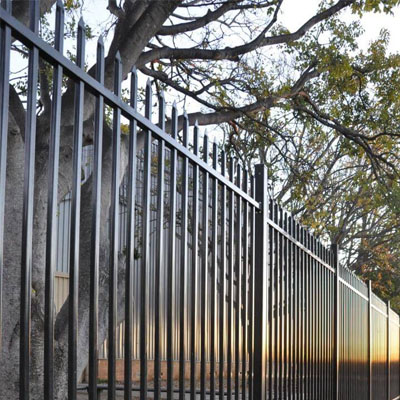
Core Security Principles Behind Palisade Fencing

Effective perimeter security relies on a combination of deterrence, physical resistance, and controlled access. Palisade fencing supports these principles through its open structure and robust steel construction. High visibility reduces concealment opportunities, while solid welded panels create a physical barrier that requires significant effort to breach. Together, these characteristics discourage opportunistic intrusion and shift risk away from protected sites.

Security systems also benefit from predictable performance under pressure. Palisade fencing maintains its form when exposed to impact, climbing attempts, and environmental stress, which limits weak points along the perimeter. This consistency allows property owners to integrate fencing with lighting, monitoring systems, and access controls more effectively. When the barrier performs reliably, the entire security framework becomes stronger.

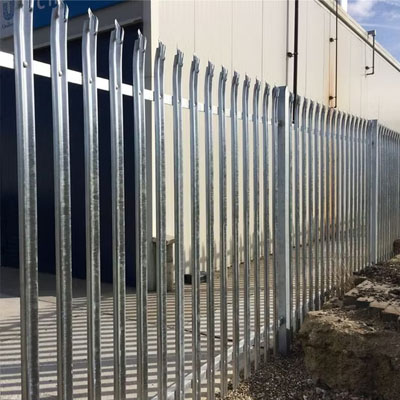
Industrial security fencing with reinforced steel posts

Design Features That Prevent Climbing and Breaching

Palisade fencing is designed around structural features that limit unauthorised access while maintaining visibility across the perimeter. Each component plays a role in reducing climbability, resisting tampering, and maintaining barrier integrity.

  • Vertical spear spacing, which restricts foot placement and makes upward movement difficult without specialised equipment.
  • Anti-climb profiles, shaped to reduce grip and prevent stable handholds.
  • Limited horizontal surfaces, which removes natural resting points for climbers.
  • Fully welded construction, providing continuous strength across panels and connection points.
  • Anti-tamper fixings, designed to resist removal using common tools.

These combined features create a barrier that resists both casual intrusion and deliberate breach attempts. When designed and installed correctly, palisade fencing offers consistent security performance along the entire perimeter.

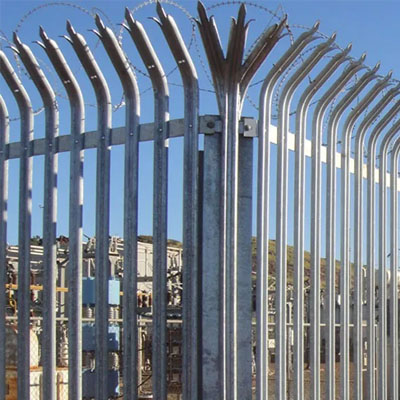
Steel palisade fence designed to resist bending and forced entry

Height, Spacing, and Barrier Behaviour

Fence height plays a major role in how palisade systems function as a deterrent. Taller barriers increase the physical and psychological effort required to attempt entry, which reduces the likelihood of unauthorised access. When combined with controlled picket spacing, height helps prevent both climbing and forced entry through gaps. These proportions are selected to balance security performance with visibility and site access needs.

Barrier behaviour under load is equally important. Palisade fencing is designed to resist bending, twisting, and displacement when pressure is applied. Even distribution of force across posts and panels limits localised movement that could otherwise create weak points. This structural stability ensures the fence continues to perform as a continuous protective boundary rather than a series of independent sections.

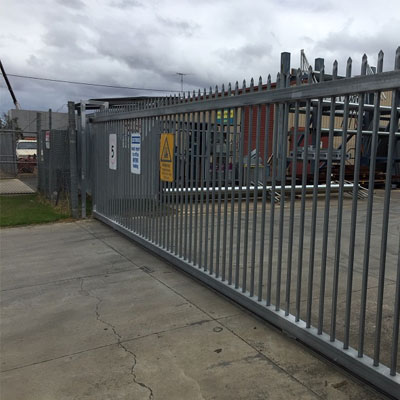
High-security palisade fencing protecting an industrial site

Material Strength and Impact Resistance

Palisade fencing relies on high-grade steel components to provide long-term resistance against cutting, bending, and impact. Pickets and rails are manufactured to consistent thickness standards, which helps maintain uniform strength across each panel. This consistency reduces vulnerability to targeted attacks and supports predictable performance under sustained pressure.

Weld quality and surface treatment also contribute to impact resistance. Proper welding ensures load is transferred evenly between components, preventing separation under stress. Protective coatings shield the steel from corrosion and surface degradation, which preserves structural integrity over time. Together, these factors allow palisade fencing to maintain its protective function in demanding environments.

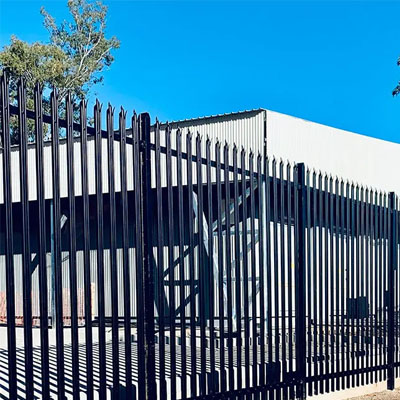
Anti-climb palisade security fencing for commercial properties

Gate Integration and Access Control Systems

Secure perimeter fencing depends on gate systems that match the strength and design of the surrounding barrier. Gates are common targets for intrusion because they introduce moving components and access hardware. Palisade gate systems are reinforced to handle repeated use while maintaining alignment and resistance to forced entry. When designed correctly, they function as controlled access points rather than security weaknesses.

  • Heavy-duty gate frames, engineered to resist twisting and sagging under frequent operation.
  • High-strength hinges, designed to support gate weight while limiting lateral movement.
  • Access control compatibility, allowing integration with key systems, swipe cards, or automated entry equipment.
  • Secure locking mechanisms, selected to match site security requirements.
  • Anti-lift and anti-removal features, which reduce vulnerability when gates are closed.
Automated palisade security gate integrated with access control system

Strong gate integration ensures perimeter security remains consistent across fixed and moving sections. When access points are engineered to the same standard as fence panels, overall system reliability improves.

Sites Where Palisade Fencing Delivers Maximum Security Value

Palisade fencing is most effective in environments where visibility, durability, and access control are critical to daily operations. Its open profile and robust construction allow security teams to monitor boundaries while maintaining a strong physical barrier.

  • Warehouses and distribution centres, where large perimeters require consistent protection against unauthorised entry and theft.
  • Industrial facilities, including manufacturing and processing sites with restricted access zones.
  • Schools and education campuses, where controlled entry points support student and staff safety.
  • Utility and infrastructure sites, such as substations and treatment facilities that require high-security boundaries.
  • Commercial yards and storage compounds, where equipment and materials must remain protected outside operating hours.

In these settings, palisade fencing provides a balance between security performance and operational visibility. This combination supports effective site management while reducing long-term security risks.

Commercial yard secured with high-visibility palisade boundary fencing

Our Approach to High-Security Perimeter Fencing

We design palisade fencing systems around the specific security requirements of each site rather than relying on standard layouts. Projects across Brisbane, the Sunshine Coast, and the Moreton Bay region are assessed for access points, exposure levels, surrounding land use, and operational patterns before materials and configurations are selected. This allows each perimeter system to address real risk factors while maintaining consistent performance across the fence line.

Our installation process focuses on structural accuracy and long-term reliability. Posts are positioned for maximum load distribution, panels are aligned precisely, and fixings are selected to resist tampering and wear. Gate systems are integrated from the outset so access control does not compromise barrier strength. Through careful planning and disciplined construction practices, palisade fencing remains effective as a security asset well beyond installation.

What Makes Palisade Fencing Effective for Perimeter Security

Talk to Northside Fencing About High-Security Palisade Fencing

When perimeter protection is a priority, fence design, material selection, and installation quality all influence long-term performance. Contact Northside Fencing on (07) 3491 4100 or submit an enquiry by clicking here to discuss palisade fencing systems suited to commercial, industrial, and high-security sites.

FAQ: Palisade Fencing & Perimeter Security

Is palisade fencing difficult to climb?

Palisade fencing is designed to limit footholds and handholds through vertical picket spacing and anti-climb profiles. These features make unauthorised climbing attempts difficult without specialised equipment.

Can palisade fencing be cut or forced open?

High-grade steel components and welded construction provide strong resistance to cutting and bending. While no barrier is completely impenetrable, palisade fencing significantly increases the effort and time required to breach a site.

What height is most effective for security fencing?

Security performance improves as fence height increases, particularly when combined with controlled spacing and secure gate systems. Suitable height depends on site risk levels, access requirements, and local regulations.

Are palisade gates as secure as fixed panels?

When designed and installed correctly, palisade gates can match the strength of surrounding panels. Reinforced frames, secure hinges, and quality locking systems help maintain consistent security across access points.

How long does palisade fencing typically last?

With proper materials, coatings, and installation practices, palisade fencing can provide reliable service for many years. Longevity depends on environmental exposure, usage patterns, and ongoing maintenance.