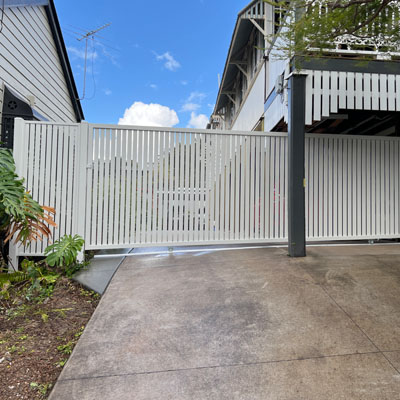
Vertical vs Horizontal Slat Fencing

Slat fencing is often chosen for its clean, modern appearance, but the direction of the slats affects more than just how the fence looks. Vertical and horizontal orientations behave differently when it comes to airflow, visibility, and how the fence interacts with its surroundings. These differences can influence both performance and long-term usability.

Orientation also affects how the fence feels within a space. The way lines run across a boundary can change how open or enclosed an area appears, as well as how the fence responds to external conditions such as wind and exposure. Choosing between vertical and horizontal slat fencing is not just a visual decision, as it shapes how the fence functions once installed.
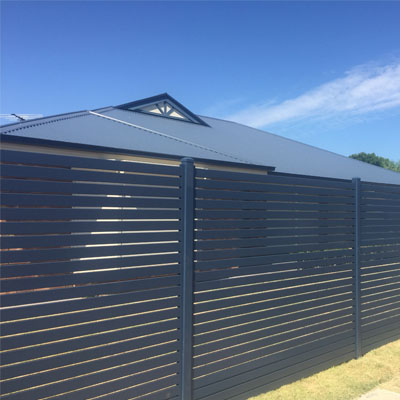
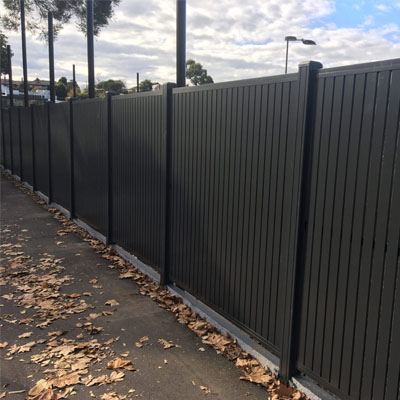
Visual Direction and Site Integration

The direction of slats changes how a fence interacts with the surrounding space. Vertical slats tend to emphasise height, which can make boundaries feel more defined and enclosed. This orientation often aligns with structural elements such as posts and building lines, creating a consistent visual rhythm along the boundary.

Horizontal slats draw the eye across the fence line, which can make a space feel wider and more open. This effect is often used to complement low-profile landscaping or modern architectural styles. The choice between vertical and horizontal orientation should reflect how the fence integrates with the property layout, neighbouring structures, and the overall visual balance of the site.

Privacy and Line of Sight Differences

Slat orientation influences how visibility works across a boundary, particularly when spacing and viewing angles are considered. The same gap between slats can produce different levels of privacy depending on whether the slats run vertically or horizontally.

  • Direct viewing angles, where horizontal slats can allow clearer sightlines when viewed straight on.
  • Angled visibility, where vertical slats can limit what is seen when approaching from the side.
  • Slat spacing consistency, which affects how much light and visibility pass through the fence.
  • Street-facing boundaries, where orientation can influence privacy without fully blocking airflow.

These differences become more noticeable depending on how the fence is positioned and how the space is used. Matching slat orientation and spacing to the desired level of privacy helps create a more controlled and consistent result.

Privacy and Line of Sight Differences

Airflow and Wind Behaviour

Slat orientation influences how air moves through and around a fence. Vertical slat fencing tends to allow wind to pass through more evenly, particularly when spacing is consistent from top to bottom. This can reduce pressure build-up across the fence line and help maintain stability in exposed areas.

Horizontal slat fencing can behave differently depending on spacing and layout. In some configurations, they may interrupt airflow and create areas where wind pressure is concentrated, especially on longer runs or in open locations. These effects are more noticeable on properties with higher exposure or where the fence sits across prevailing wind paths. Selecting an orientation that suits the site conditions helps manage airflow and reduce stress on the structure over time.

Climbability and Security Differences

Slat orientation can influence how easily a fence can be climbed, particularly where security is a consideration. The way the slats and supporting rails are arranged affects whether footholds are available along the face of the fence.

  • Horizontal slat layouts, where rails and slat edges can create stepping points that assist climbing.
  • Vertical slat configurations, which present fewer continuous footholds along the fence face.
  • Rail positioning, where exposed horizontal supports can increase climbability if not managed carefully.
  • Fence height interaction, where orientation can either reduce or increase the effort required to scale the boundary.

These factors are more relevant in areas where the fence is used as a security barrier rather than purely for privacy or design. Considering climbability alongside height and layout helps ensure the fence performs as intended.

Climbability and Security Differences

Structural Behaviour and Support Requirements

Slat orientation affects how loads are distributed across the fence and how the structure responds to movement over time. Vertical slats typically transfer load more directly into posts, which can support consistent alignment along the fence line. This can be beneficial on longer runs where maintaining straightness and uniform spacing is important.

Horizontal slats rely more on the strength and positioning of supporting rails to maintain rigidity. Over longer spans, this can introduce the potential for slight deflection if support is not evenly distributed. Consistent fixing points and proper support spacing help ensure the fence remains stable regardless of orientation. Matching the structure to the chosen layout helps maintain performance under daily use and environmental exposure.

Maintenance and Cleaning Considerations

Slat orientation influences how dirt, dust, and water interact with the surface over time. These factors affect how often cleaning is required and how visible marks become along the fence.

  • Horizontal slats, where flat edges can collect dust and debris more easily, particularly in sheltered areas.
  • Water runoff patterns, where horizontal profiles may show streaking or marks as water drains across each slat.
  • Vertical slats, which allow water and debris to move downward more freely, reducing build-up.
  • Access for cleaning, where orientation can affect how easily surfaces can be reached and maintained.

These differences are often more noticeable in exposed locations or areas with regular environmental buildup. Choosing an orientation that suits both the site conditions and maintenance expectations helps keep the fence looking consistent over time.

Horizontal slat fencing can be easier to clean and maintain

Talk to Northside Fencing About Slat Fencing Options

Choosing the right slat orientation helps balance privacy, airflow, and long-term performance. Contact Northside Fencing on (07) 3491 4100 or submit an enquiry through the website to discuss vertical and horizontal slat fencing across Brisbane, the Sunshine Coast, and the Moreton Bay region.

FAQ: Vertical vs Horizontal Slat Fencing

Is vertical or horizontal slat fencing better for privacy?

Both can provide privacy depending on spacing and layout. Vertical slats can limit angled views, while horizontal slats may allow more direct sightlines.

Which slat orientation is better in windy areas?

Vertical slats often allow more even airflow, which can help reduce pressure on the fence in exposed locations.

Is horizontal slat fencing easier to climb?

Horizontal layouts can introduce footholds depending on rail placement and spacing, which may make climbing easier in some situations.

Does slat orientation affect maintenance?

Yes. Horizontal slats may collect more dust and show water marks, while vertical slats tend to shed debris more easily.

Can slat fencing be customised for different properties?

Yes. Spacing, orientation, and layout can be adjusted to suit privacy, airflow, and site conditions.