Traditional vs Modern Fencing: What’s Better for Your Home

Choosing the right fence for your home is crucial for improving security, enhancing privacy, and establishing a distinctive character in your outdoor space. With numerous styles to consider, many homeowners find themselves debating the merits of traditional versus modern fencing options. By examining how these approaches differ in materials, maintenance requirements, and overall design, it becomes easier to determine which fence will best complement your home’s aesthetic and fulfill its functional needs.

Traditional Fencing: Time-Honored Classics

Traditional fencing encompasses classic designs that have been popular for centuries. These fences are typically constructed from natural materials like wood and wrought iron, offering a timeless appeal that adds character and warmth to any property.

Common Traditional Fencing Styles:

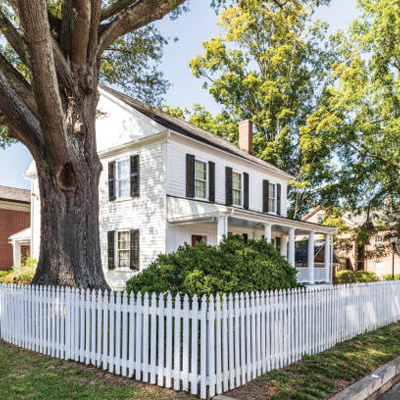
  • Picket Fences: Characterized by evenly spaced vertical boards attached to horizontal rails, often painted white for a charming, classic look.
  • Timber Paling Fences: Made from vertical wooden boards placed side by side, providing privacy and a natural appearance.
  • Wrought Iron Fences: Ornate metal fences with intricate designs, adding elegance and sophistication.
  • Post-and-Rail Fences: Consist of horizontal rails connected to vertical posts, commonly used in rural settings for a rustic appeal.
Traditional vs Modern Fencing

Advantages of Traditional Fencing

Traditional fencing styles offer strong aesthetic appeal, complementing classic and heritage-style homes with their structured, familiar appearance. Vertical bars, picket-style profiles, and decorative steel designs provide a sense of authenticity and visual charm that enhances a property’s character, while benefiting from the consistency and durability of modern fabrication methods. These styles still allow for a high degree of customisation, with colour, spacing, and profile options enabling the fence to be matched closely to a home’s exterior.

However, traditional-style fencing can involve specific considerations around maintenance and durability depending on the materials and finishes selected. While modern steel and aluminium systems significantly reduce upkeep compared to older construction methods, periodic inspections and surface maintenance remain important to preserve appearance and long-term performance. When designed correctly, traditional-style fencing can retain its character without the heavy maintenance burden once associated with older materials.

Modern Fencing: Crafted for Contemporary Living

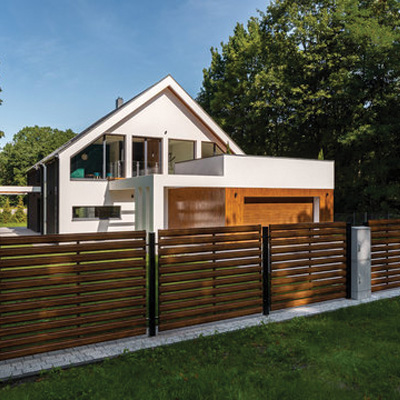
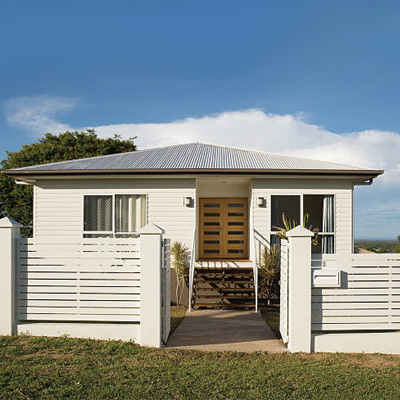
Modern fencing encompasses contemporary designs that emphasize functionality, minimalism, and low maintenance. These fences are typically constructed from advanced materials that offer durability and a sleek aesthetic, making them ideal for modern architectural styles.

Common Modern Fencing Styles:

  • Colorbond Steel Fences: Made from high-quality steel panels with a clean, uniform finish, these fences provide a solid and secure barrier that requires minimal upkeep.
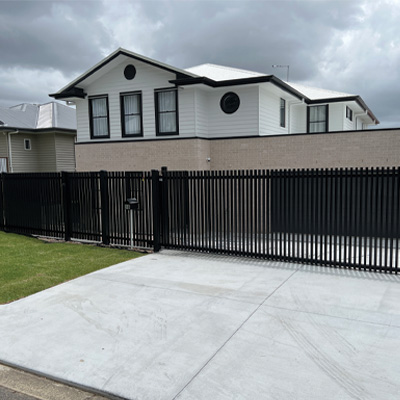
  • Aluminum Slat Fences: Featuring horizontal or vertical slats with crisp lines, aluminum slat fences offer a stylish, modern look while allowing for airflow and light.
  • Glass Panel Fences: Utilizing tempered glass panels, these fences create a transparent barrier, commonly used around pools and patios to maintain an open and spacious feel.
  • Composite Fences: Composed of wood fibers and recycled plastics, composite fences mimic the appearance of wood but with enhanced durability and lower maintenance needs.
Traditional vs Modern Fencing

Advantages of Modern Fencing

Modern fencing delivers strong low-maintenance benefits through the use of materials designed to resist corrosion, warping, and pest damage. This durability allows fencing systems to perform reliably in harsh weather conditions while maintaining a consistent appearance over time, offering long-term value for property owners. The clean lines and architectural profiles of modern fencing complement contemporary homes particularly well, enhancing street presence and overall presentation.

That said, modern fencing options can involve a higher initial investment compared to older construction methods. While this is often offset by reduced maintenance costs over the life of the fence, the upfront spend can be a consideration for some projects. In addition, the minimalist aesthetic of modern fencing may not suit every property, particularly those with heritage architecture, where a more traditional visual style may be preferred. Design flexibility can also vary depending on the fencing system selected.

Factors to Consider When Choosing

When deciding between traditional and modern fencing, it’s essential to consider several factors to determine which option aligns best with your needs.

Architectural Style of Your Home

Your home’s design plays a significant role in selecting the appropriate fence. Traditional fences tend to complement classic, colonial, or heritage-style homes, maintaining architectural harmony. Conversely, modern fences are better suited to contemporary homes with minimalist or avant-garde designs.

Purpose of the Fence

Consider what you want your fence to achieve. If privacy is a priority, modern fences with solid panels might be more effective. For decorative purposes or to create a welcoming atmosphere, traditional picket or wrought iron fences could be preferable. Security needs, such as height and strength, should also influence your choice.

Maintenance Commitment

Evaluate how much time and effort you’re willing to invest in maintaining your fence. Traditional fences typically require more regular upkeep to preserve their appearance and structural integrity. Modern fences generally demand less maintenance, freeing up your time for other activities.

Budget Constraints

Assess both the initial installation costs and long-term expenses. While traditional fences might be less expensive upfront, the ongoing maintenance costs can add up over time. Modern fences may have higher initial costs but could prove more economical in the long run due to lower maintenance requirements.

Environmental Impact

If sustainability is important to you, consider the environmental implications of your fencing material. Wood is a renewable resource when sourced responsibly, but treatments and paints can have environmental downsides. Many modern materials are recyclable, and some composites are made from recycled content, offering eco-friendly options.

Traditional vs Modern Fencing

Making the Right Choice for Your Home

Ultimately, the decision between traditional and modern fencing comes down to personal preference and the specific needs of your property. Reflect on the style that resonates with you and complements your home’s architecture. Observe the fencing styles prevalent in your neighborhood to ensure cohesion and, if applicable, compliance with homeowners’ association guidelines.

Finding the Perfect Fence Style for Your Property

Both traditional-style and modern fencing systems come with their own advantages and trade-offs. Traditional-style fencing brings classic visual appeal and character, yet can involve more detailed design considerations and ongoing care depending on the materials and finishes selected. Modern fencing offers clean lines, durability, and low-maintenance performance, though it may involve a higher initial investment and may not always suit older architectural styles. Weighing factors such as aesthetics, functionality, upkeep, budget, and environmental impact will help you select a fence that complements your property and meets practical requirements.

For tailored advice, working with experienced fencing professionals can provide valuable guidance specific to your site and goals. The team at Northside Fencing can assess your property, discuss your priorities, and recommend solutions that align with your design preferences, functional needs, and budget. Whether you are drawn to classic fence styling or contemporary profiles, the right choice can significantly improve your property’s presentation and long-term value. To get the perfect fencing solution for your home, contact Northside Fencing on (07) 3491 4100 or clicking here.