Strategic Greenery: Planting Trees and Shrubs Near Your New Fence

Incorporating plants near fences is a common landscaping practice, but it requires careful planning to ensure it enhances rather than harms your fence. As experts in fencing solutions, Northside Fencing advocates for a strategic approach to planting that considers both the beauty of greenery and the integrity of the fence. While our approach to materials and installation means fences that stand the test of time, improper planting can lead to a reduction in longevity that can easily be avoided.

Benefits of Thoughtful Planting Near Fences

Thoughtful planting near fences offers several advantages:

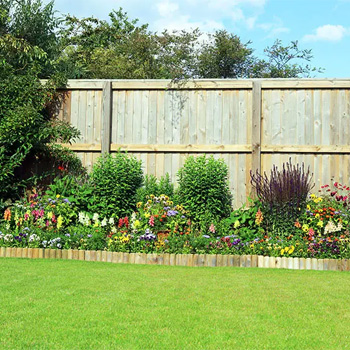
  • Aesthetic Enhancement: Trees and shrubs can add to the beauty of your property, creating a pleasing visual blend with the fence.
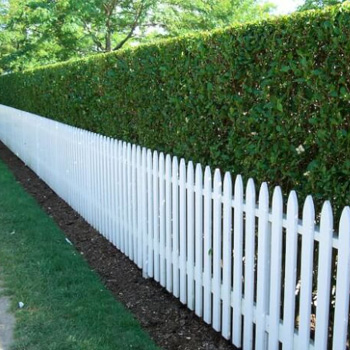
  • Natural Privacy Screen: Strategic planting can provide privacy while softening the look of the fence.
  • Protection for the Fence: Certain plants can act as a barrier against wind and sun, potentially extending the life of the fence.

Balancing these benefits with the health of the fence is key to successful landscaping.

Planting Trees and Shrubs Near Your New Fence

The Importance of Giving Your Fencing Space

Spacing between plants and fences is crucial:

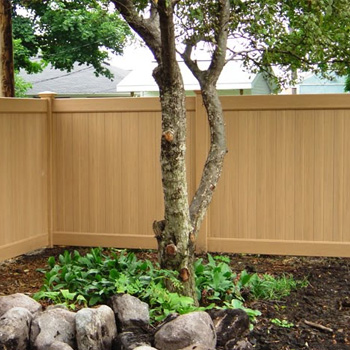
  • Preventing Root Damage: Tree roots can grow large and potentially disrupt fence foundations, leading to structural issues.
  • Ease of Maintenance: Adequate space allows for easier upkeep of both the fence and the plants.
  • Moisture and Disease Management: Proper spacing helps prevent moisture buildup, which can cause rot in wooden fences or rust in metal ones.

Respecting these space requirements is essential for the longevity of your fence.

Planting Trees and Shrubs Near Your New Fence

Potential Issues with Planting Too Close

Planting too close to the fence can cause several issues:

  • Physical Damage: Trees and shrubs rubbing against the fence can scratch or dent the surface, especially for materials like Colorbond fencing or painted wood.
  • Increased Rot and Rust Risk: Plants that trap moisture against the fence can accelerate rot in wood and rust in metal fences.
  • Invasive Roots: Some tree species have aggressive root systems that can distort or uproot fence panels.

Understanding these risks is critical for anyone planning to landscape near their fence.

Planting Trees and Shrubs Near Your New Fence

Best Practices for Planting Near Fences

To ensure a healthy coexistence between your fence and plants:

  • Choose the Right Plant Species: Opt for plants with non-invasive root systems and appropriate growth habits for fence proximity.
  • Consider Mature Plant Sizes: Plan for the full growth size of the plants to ensure they don’t overcrowd the fence.
  • Regular Trimming and Care: Keep plants trimmed and well-maintained to prevent overgrowth that could damage the fence.

These practices help in creating a harmonious fence and garden environment.

Northside Fencing: Your Partner in Fence Planning

Northside Fencing is more than just a fencing provider; we’re your partner in ensuring that every aspect of your property’s perimeter, including landscaping, works in harmony with your fence. Our experts can guide you on the best practices for planting near fences, ensuring longevity and aesthetic appeal. When installing new fencing, we can assess your current landscaping and provide suggestions for trimming or removal depending on proximity to your planned fencing project.

Protect Your Investment with Proper Landscaping Practises

While planting trees and shrubs near fences can enhance your property’s appearance, it’s crucial to do so thoughtfully to avoid damaging the fence. Northside Fencing offers expertise in fencing planning to help you make informed decisions that protect the integrity of your fence while achieving your landscaping goals. If you need a new fence and have a wonderful garden to consider, get in touch with Northside Fencing. With over 30 years experience, our team can find the perfect middle ground between the plants you love and the longevity of your newly installed fence.