Leaning Fences: Common Causes and Smarter Replacements

A leaning fence is one of the clearest signs that a boundary is beginning to fail. Posts tilting forward or panels pulling away from alignment create not only an eyesore but also a genuine safety risk. Children, pets, and even neighbouring properties can be exposed if the fence collapses during bad weather.

For many Queensland homeowners, the question is whether a leaning fence can be repaired or if replacement is the smarter choice. While braces or quick fixes may buy a little time, they do not solve the root cause. To restore stability and prevent the same problem from happening again, replacement with durable, well-installed fencing is the only long-term answer.
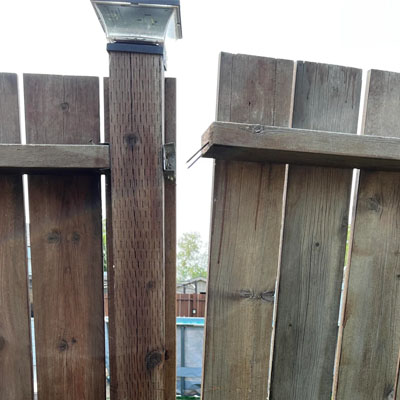
Why Do Fences Lean in the First Place?

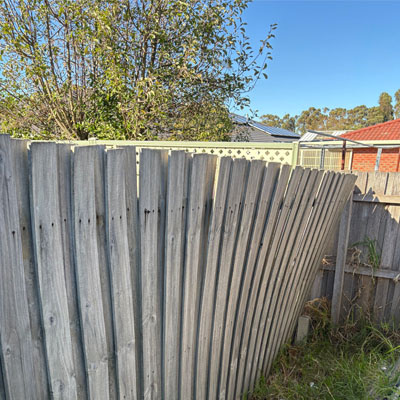
Leaning is usually the result of failure at the base of the fence rather than in the panels themselves. In Queensland’s climate, soil movement after heavy rain or flooding is one of the most common triggers. Waterlogged soil reduces stability around posts, and as the ground dries, it can shift unevenly, leaving sections of fence tilting forward or backward. Sandy or loose soils found in coastal and bayside suburbs make the problem worse because they struggle to hold posts firmly in place.

Installation quality also plays a major role. Posts set too shallow, not concreted properly, or misaligned during installation are more likely to lean as pressure builds over time. Rotting timber posts or corroded steel bases are another frequent cause, particularly in older fences that have not been maintained. Add in high winds or storm events, and a fence that is already unstable will begin to lean noticeably. These structural weaknesses highlight why leaning fences are rarely a quick fix and often require full replacement.

Leaning Fences: Common Causes and Smarter Replacements

Warning Signs of a Leaning Fence

A leaning fence does not always collapse right away, but it usually gives clear signals that the structure is unstable. By spotting these early, homeowners can avoid safety risks and plan for a proper replacement before the problem worsens.

  • Posts tilting off vertical: Even a slight forward or backward lean in the posts is a sign that the base is no longer stable.
  • Panels separating from posts: As pressure builds, rails or panels can pull away from their supports.
  • Gates sticking or dragging: A leaning section often throws gate hinges out of line, making it difficult to open or close.
  • Uneven gaps along the ground: Sections of the fence may lift or sink as soil shifts beneath the posts.
  • Noticeable sway in the structure: Pushing lightly against the fence may reveal looseness that indicates deeper instability.

When these warning signs appear, they usually point to structural failure at the posts or footings. Rather than attempting short-term fixes, it is better to consider replacement before the fence poses a serious hazard.

Leaning Fences: Common Causes and Smarter Replacements

Why Quick Fixes Don’t Work

When a fence begins to lean, many homeowners try to straighten posts, brace panels, or add temporary supports. These quick fixes may improve the appearance for a short time, but they rarely address the underlying causes. Soil movement, rot, or corrosion continue to compromise the stability of the posts, meaning the fence will soon begin to lean again. In many cases, repeated bracing can even make the structure weaker by putting extra stress on already damaged materials.

Another limitation of quick repairs is cost. Each round of patching consumes time and money, but the problem inevitably returns until a full replacement is done. Instead of delaying the process with short-term solutions, it is often more cost-effective to replace the fence with modern, durable materials. A new installation ensures structural stability, removes safety risks, and eliminates the cycle of constant adjustments.

Leaning Fences: Common Causes and Smarter Replacements

Smarter Replacement Options

Once a fence begins leaning, replacement is the only way to restore long-term stability. Modern fencing materials are designed to resist the issues that cause posts to tilt, giving homeowners a stronger and more reliable boundary. The best choice depends on style preferences, budget, and how much maintenance you want to avoid.

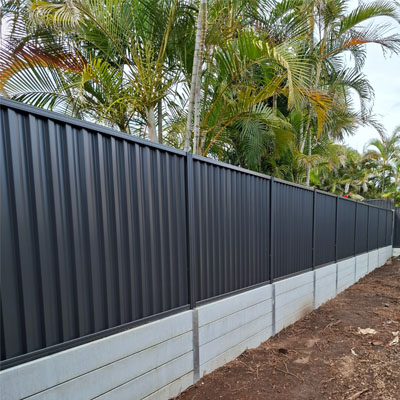
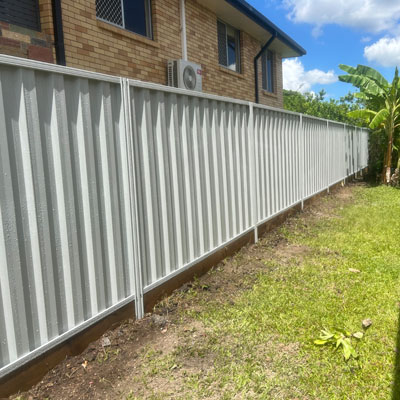
  • Colorbond Steel: A popular replacement that remains straight and secure in Queensland’s climate. Colorbond Steel fencing resists rot, corrosion, and shifting, while offering a wide range of colours and styles.
  • Aluminium Fencing: Lightweight yet strong, aluminium fencing does not rust or lean over time. Powder-coated finishes protect against the elements and provide a modern look.
  • Masonry or Block Walls: The most durable option, offering unmatched stability and strength. While more expensive to install, they provide a premium finish and decades of service.
Leaning Fences: Common Causes and Smarter Replacements

Replacing a leaning fence with one of these options not only fixes the immediate problem but also prevents it from recurring. With the right material, your boundary can remain straight, safe, and attractive for many years to come.

Professional Installation for Stability

A leaning fence often shows the result of poor installation as much as it does wear and tear. Posts that are not set deep enough, bases without proper concrete support, or uneven spacing all reduce stability over time. When soil shifts or heavy rain arrives, these weaknesses become clear. A professionally installed fence avoids these problems by using correct footing depths, stable foundations, and corrosion-resistant hardware suited to Queensland conditions.

Replacing a leaning fence is also an opportunity to upgrade the design for both strength and style. Professional contractors can recommend layouts that improve privacy, match landscaping, and stand up to local soil and weather conditions. With proper installation, the new fence will stay upright and secure for decades, preventing the cycle of leaning and costly rework.

Leaning Fences: Common Causes and Smarter Replacements

Straightening Out Your Fencing Problems

A leaning fence is more than just an eyesore. It is a sign that the structure has begun to fail. While bracing or quick repairs may seem like an easy fix, they rarely hold up against Queensland’s climate. The safest and most cost-effective solution is to replace the fence with modern materials designed for durability and stability.

At Northside Fencing, we provide replacements that solve leaning fence problems for good. With Colorbond, aluminium, and masonry options, our fences are built to withstand soil movement, storms, and everyday wear. Call us today on (07) 3491 4100 or get in touch with us online to arrange a free consultation and secure a fence that stands strong for years to come.

Frequently Asked Questions About Leaning Fences

Why is my fence leaning?

Leaning usually happens when posts are set too shallow, soil shifts after heavy rain, or timber bases rot. In older fences, corrosion or storm damage can also cause tilting.

Can a leaning fence be repaired?

Small adjustments may hold for a short time, but they rarely solve the underlying issue. Once posts or soil lose stability, the fence will continue to lean until it is replaced.

Is a leaning fence dangerous?

Yes. A leaning fence can collapse during bad weather or if pressure is applied. This poses risks for children, pets, and neighbouring properties.

What is the best replacement for a leaning timber fence?

Colorbond steel, aluminium, and masonry are durable options that resist soil movement, moisture, and storm damage, making them stronger choices than timber.

How much does it cost to replace a leaning fence in Queensland?

Costs vary depending on material, height, and length. Many homeowners save money over time by replacing timber with a low-maintenance option like Colorbond or aluminium.