Installing Fence Posts Correctly

Installing fence posts correctly is crucial for ensuring the stability and longevity of your fence. Whether you’re using wood, steel, or aluminium posts, proper installation techniques can make the difference between a sturdy, long-lasting fence and one that quickly deteriorates. This guide covers everything you need to know about installing fence posts, including working with different materials, handling difficult soil conditions, and the impact of poorly installed posts.

Types of Fence Posts

Choosing the right type of fence post is essential for a durable fence. Here are some common materials:

Wood

Wooden fence posts are a popular choice for their natural appearance and versatility. They are suitable for various fence types, including privacy, picket, and ranch-style fences. However, they require proper treatment to prevent rot and insect damage.

Steel

Steel fence posts offer superior strength and durability, making them ideal for security and industrial fencing. They are resistant to rot, insects, and harsh weather conditions, ensuring a long lifespan with minimal maintenance.

Installing Fence Posts Correctly
Aluminium

Aluminium fence posts are lightweight, rust-resistant, and easy to install. They are a great option for decorative and pool fencing, providing an attractive appearance without the risk of corrosion.

Tools and Equipment Needed for Proper Fence Post Installation

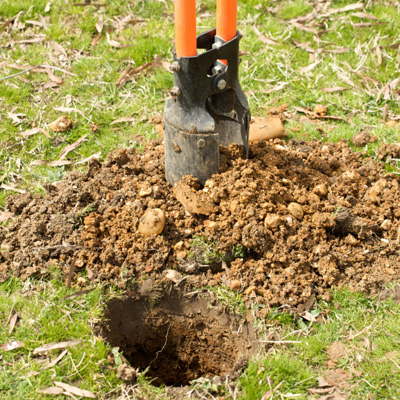
Having the right tools and equipment is crucial for installing fence posts correctly. Here is a list of essential items:

  • Post hole digger or auger
  • Shovel
  • Level
  • Tape measure
  • Concrete mix or gravel
  • Tamping tool
  • String line and stakes

Using these tools will help you achieve a precise and stable installation. You will note that some of these tools are not ones you would typically find in the normal too shed.

Installing Fence Posts Correctly

Preparing the Site

Before installing fence posts, it’s essential to prepare the site properly. Start by clearing the area of any debris, vegetation, or obstacles. Next, mark the locations of the fence posts using a string line and stakes to ensure they are evenly spaced and aligned. Proper site preparation sets the foundation for a successful fence installation.

Setting Fence Posts

The method you use to set fence posts depends on the material and soil conditions. Here are three common methods:

Concrete

Setting fence posts in concrete provides a strong and stable foundation, especially for heavy or high fences. Dig holes to the appropriate depth (usually one-third the length of the post) and fill the bottom with a few inches of gravel for drainage. Position the post, fill the hole with concrete, and use a level to ensure it’s plumb. Allow the concrete to cure according to the manufacturer’s instructions.

Installing Fence Posts Correctly
Gravel

Gravel is an alternative to concrete that provides good drainage and stability. This method is suitable for lighter fences. Dig the hole and add a few inches of gravel at the bottom. Place the post in the hole, fill it with gravel, and tamp it down firmly while checking for plumbness.

Directly in Soil

For temporary or light-duty fences, posts can be set directly in soil. Dig the hole, place the post, and backfill with soil, tamping it down as you go. This method offers less stability and is generally not recommended for long-term or heavy fences.

Working with Difficult Soil

Difficult soil conditions require special considerations to ensure fence posts remain stable. Here are some tips for the more common soil types across South East Queensland:

Clay Soil

Clay soil can be challenging due to its density and poor drainage. To improve stability, consider using a larger diameter hole and adding extra gravel at the bottom for drainage.

Sandy Soil

Sandy soil lacks cohesion, making it difficult to secure posts. Use concrete to stabilise the posts and ensure they remain upright.

Rocky Terrain

In rocky terrain, you may need specialised equipment like a rock auger. If large rocks obstruct the post hole, reposition the hole or use smaller posts and adjust the spacing accordingly.

Installing Fence Posts Correctly

Post Depth and Spacing

Proper post depth and spacing are critical for fence stability. Typically, posts should be buried one-third their length in the ground. Spacing depends on the fence type and height but generally ranges from 6 to 8 feet apart. Ensure posts are evenly spaced and aligned using a string line.

Weather Considerations

Weather conditions can impact fence post installation. Avoid installing posts in extreme temperatures or wet conditions, which can affect concrete curing and soil stability. Plan your installation during mild weather and consider temporary supports for posts during windy conditions. Obviously you can’t control the weather, but do your best to pick a time with the best window for success.

Impact of Poorly Installed Fence Posts

Improperly installed fence posts can lead to various issues, including:

  • Structural instability, causing the fence to lean or collapse.
  • Shortened lifespan due to rot or corrosion from inadequate drainage.
  • Increased maintenance costs and frequent repairs.

Proper installation is crucial to avoid these problems and ensure a durable, stable fence. It can be tempting to “get the job done” whatever way possible if facing struggles during installation, but this will only result in shoddy work and more money out of your pocket down the line.

Installing Fence Posts Correctly

Professional Fence Post Installation

Hiring professional fence installers offers numerous advantages, ensuring a high-quality and durable fence. Here are some key benefits:

Expertise and Experience

Professional installers have the necessary skills and experience to handle various fence types and materials. Their expertise ensures that posts are installed correctly, reducing the risk of issues such as leaning or instability.

Proper Equipment

Professionals use specialised tools and equipment that are often not available to the average homeowner. This allows them to handle difficult soil conditions and ensure precise installation.

Quality Assurance

A professional installation comes with a guarantee of quality. Professionals adhere to industry standards and best practices, ensuring your fence is built to last.

Time and Cost Efficiency

While hiring professionals may seem more expensive upfront, it can save you time and money in the long run. Proper installation reduces the need for frequent repairs and maintenance, and professionals can complete the job more quickly than a DIY approach.

Handling Unexpected Issues

Professionals are equipped to deal with unexpected challenges that may arise during installation. Whether it’s dealing with difficult soil, underground utilities, or other obstacles, they can adapt and find solutions.

Peace of Mind

Knowing that your fence is installed by experts gives you peace of mind. You can trust that the job is done right, and you won’t have to worry about potential issues down the line.

Installing Fence Posts Correctly

Want Your Fencing Installed Properly?

Properly installing fence posts is essential for a durable and stable fence. If you are contemplating giving it a go yourself, make sure to consider all of the above factors before committing. DIY will often seem like a cheaper route, and sometimes it is, but when you weigh up the cost of hiring equipment, retail material costs and your own time, professional installation becomes the prudent choice.

Get peace of mind knowing your fence posts were installed by a professional with over 2 decades building fences to stand the test of time. Contact Northside Fencing today on (07) 3491 4100 or click here to contact us online.