Fencing for Homes on Busy Roads: Noise & Privacy Solutions

Homes on busy roads face constant movement, sound, and visibility from cars and pedestrians. Tyres on wet asphalt, late-night traffic, and street-level conversations make it harder to enjoy front yards or keep indoor spaces private. Headlights and foot traffic also draw attention toward windows and main living areas, leaving many homeowners feeling exposed.

Thoughtful fencing design can make these blocks feel more comfortable. The right combination of height, materials, and screening can reduce street noise, block unwanted sightlines, and bring privacy back to outdoor spaces. Well-planned fencing improves day-to-day livability without making the boundary feel heavy or overbuilt.
What Makes Busy Road Blocks Difficult to Fence?

Homes facing busy streets deal with conditions that standard front fencing does not always address. Traffic noise is the most obvious issue, but it is not the only one. Roadside properties are exposed to constant movement, which increases visual intrusion and makes it harder to create a private outdoor space. Vehicles generate low-frequency noise that travels easily across open boundaries, while conversations on the footpath can carry directly into front living areas.

Street alignment and block layout also play a role. Homes positioned close to the boundary give sound and sightlines a direct path toward windows and outdoor areas. Wind and dust from passing vehicles can move across low or open fencing, adding to the sense of exposure. Without the right fence type and height, privacy is limited and noise continues to move through outdoor spaces with little resistance.

Fencing for Homes on Busy Roads: Noise & Privacy Solutions

Fence Materials That Improve Noise and Privacy

Not all fences perform the same on a busy road. Materials differ in mass, airtightness, and how well they break sightlines. The goal is to block direct views, limit gaps where sound travels, and add enough weight to help reduce road noise. These options balance performance with street appeal for Queensland homes.

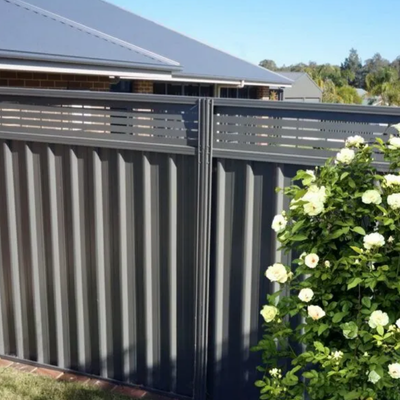
  • Colorbond fencing: Steel panels form a continuous surface with minimal gaps, helping reduce sound bleed and blocking views from the road. They suit sloping blocks when stepped and pair well with privacy screens near windows or outdoor seating.
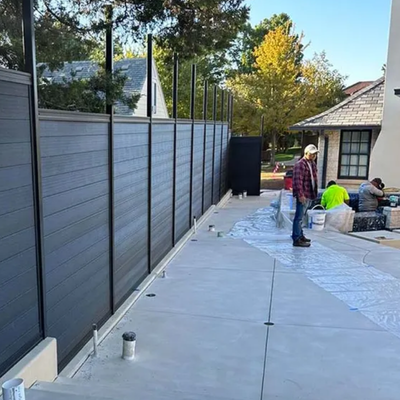
  • Modular acoustic fencing: Dense cores and sealed joints absorb and reflect traffic noise, making these systems ideal for front boundaries on busier roads or near intersections. Taller configurations are possible where permitted, and neutral finishes help blend with most home styles.
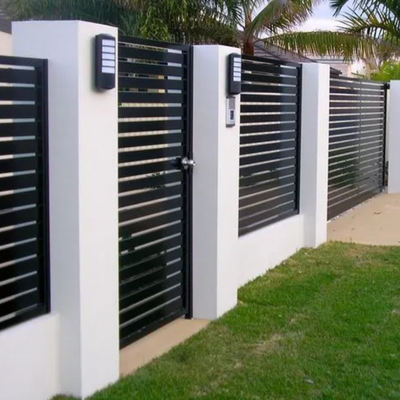
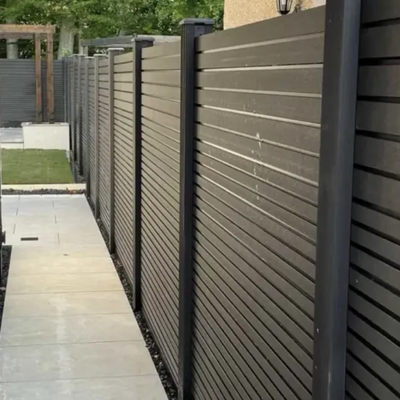
  • Slat fencing with tighter spacing: Aluminium slats with reduced gaps offer privacy without feeling closed in. Tilting slats downward helps control sightlines while still allowing airflow. For better noise performance, combine slats with internal hedging or a solid return to add mass.
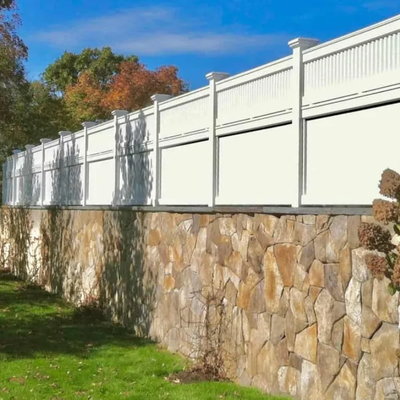
  • Combination fencing with integrated screening: A solid base, such as masonry or Colorbond, can sit below lighter screens to ensure privacy at eye level while keeping the design visually balanced. This approach is useful around driveways and entry paths where sightlines must be managed.
  • Rendered block walls with capping: Masonry provides strong noise reduction thanks to its mass. Capped tops and proper jointing increase longevity, while short returns near gateways help limit sound and views escaping through openings.
Fencing for Homes on Busy Roads: Noise & Privacy Solutions

The best option depends on street exposure, home setback, height allowances, and your mix of privacy, sound control, and visual openness. Many properties benefit from combinations that use solid sections where screening is most important and lighter panels where airflow or natural light is desired.

Height, Layout and Orientation

Fence height is one of the most effective ways to reduce exposure on a busy road. Taller boundaries interrupt sightlines from pedestrians and vehicles, helping shield windows and outdoor spaces from direct view. Even small increases in height can make a noticeable difference, particularly on flatter streets where traffic sits level with the home. Local council rules limit front boundary heights, so many households aim for a compliant structure and then add screening panels, hedging, or internal courtyards to lift privacy where it is most needed.

Layout influences performance just as much as material choice. Angling sections of fencing can redirect sound away from outdoor living areas. On sloping properties, stepping panel heights keeps the top line consistent without creating gaps that let noise and vision through. Buffer space also matters. Positioning gardens, paths, or small courtyard walls between the fence and main living areas helps slow sound and gives privacy without relying solely on boundary height.

Fencing for Homes on Busy Roads: Noise & Privacy Solutions

Smart Add-Ons That Increase Noise + Privacy

Add-ons strengthen fencing performance when noise or privacy are priorities. They help close gaps, lift screening height, and soften exposure from the street without changing the main boundary structure.

  • Dense hedging or layered planting absorbs traffic noise and blocks sightlines while improving street appeal.
  • Integrated slat screens increase height near windows or outdoor seating without creating a solid barrier.
  • Return panels near gates and corners reduce visibility through narrow openings that pedestrians can see into.
  • Top-mounted screens on Colorbond fencing boost privacy at eye level and can be styled to match the main fence.
  • Double-skin sections add depth and mass in targeted areas, improving acoustic performance where the noise is strongest.
Fencing for Homes on Busy Roads: Noise & Privacy Solutions

These upgrades are most effective when positioned to block direct sightlines or sound paths. They can be combined with material choice and layout to improve comfort without overwhelming the frontage.

Choosing the Right Style for Your Street Presence

Busy roads often prompt homeowners to prioritise privacy, but appearance still matters. The goal is to create a front boundary that feels protective without closing the home off entirely. Blending solid sections with lighter elements such as screening or planting helps balance privacy with a welcoming street presence. This approach suits homes that want more separation from traffic while still maintaining connection to the neighbourhood.

Material choice plays a strong role in achieving this balance. Colorbond fencing offers clean lines and full privacy, while slat fencing introduces airflow and a lighter visual profile. Combining the two can create structure at the base with filtered screening above. This avoids a fortress-like look and reinforces modern design without sacrificing comfort.

Fencing for Homes on Busy Roads: Noise & Privacy Solutions

Maintenance + Durability Considerations

Homes on busy roads experience more wear than properties tucked into quieter streets. Passing vehicles create vibration, dust, and more frequent weather exposure along the boundary edge. Because of this, durability becomes just as important as privacy or noise control when choosing a fence. Selecting materials that can tolerate repeated exposure helps reduce long-term upkeep and protects your investment.

  • Colorbond performs well in traffic-exposed areas because it resists corrosion and keeps its finish with minimal cleaning.
  • Modular panels with sealed joints help maintain acoustic performance over time and are less prone to movement or rattling.
  • Aluminium slat fencing holds shape well and is easy to clean, making them suitable for dusty verges and wind-exposed sites.
  • Masonry and rendered block sections offer strong impact resistance, though they may require occasional sealing to preserve appearance.
  • Readily available replacement panels or components make repairs faster and more affordable if a section is damaged.
Fencing for Homes on Busy Roads: Noise & Privacy Solutions

Routine cleaning and prompt attention to minor issues keep these systems functioning well. When durability is considered early, ongoing maintenance becomes simpler and the fence delivers better comfort throughout its lifespan.

When a Site Visit Helps

Site conditions along busy roads can vary a lot, and an on-site assessment makes it easier to recommend the right approach. Sloping blocks, nearby intersections, and how close the home sits to the boundary all influence what will work. A visit allows measurements of sightlines, traffic exposure, and setback distance so fencing can be designed to shield key living areas rather than just define the boundary.

A site visit also highlights practical considerations such as drainage, soil stability, driveway layout, and how gates will be used day to day. These details guide decisions on height, screening placement, and material selection. When fencing is planned with the block’s specific conditions in mind, it delivers better privacy, better noise control, and a result that complements the home and street.

Fencing for Homes on Busy Roads: Noise & Privacy Solutions

Upgrade Your Front Boundary with Purpose

Good fencing makes busy road living more comfortable. With the right mix of materials, height, and layout, your front boundary can reduce noise, limit sightlines, and protect outdoor spaces without feeling closed in. Small decisions, such as angled panels or targeted screening, often have the biggest effect on how private and usable your frontage becomes.

If you are looking to improve comfort along a busy street, we can help. Northside Fencing supplies and installs tailored fencing solutions across South-East Queensland. To discuss your project, get a quote, or arrange a site visit, contact our team today by calling (07) 3491 4100 or you can click here to contact us online.

FAQ: Fencing for Homes on Busy Roads

Does a higher fence reduce traffic noise?

Extra height helps interrupt sound paths from the street, especially at window level. It is most effective when paired with solid materials or screening panels.

What is the best fence material for noisy roads?

Colorbond and modular acoustic panels work well because they create solid, sealed surfaces. They help reduce noise transfer while also improving privacy.

Can I improve privacy without blocking all light?

Yes. Slat screens, mixed-material fencing, and strategic planting provide privacy while still allowing airflow and daylight.

Do privacy screens work with existing fences?

They can. Screens mounted on top of existing Colorbond or timber panels add height and block sightlines without needing a full replacement.

What helps most for houses close to footpaths?

A combination of solid fencing at eye level, return panels near gates, and planting along the front boundary helps limit visibility and soften noise.

Can slat fencing work on a busy road?

Yes. Reduced spacing or angled slats improve privacy while maintaining a lighter appearance. Pairing slats with a solid base boosts performance.

Is a block wall worth it?

Masonry offers excellent noise reduction and privacy. It suits major roads or intersections, though it requires more planning and a higher budget.