Common Fence Security Weak Points That Are Often Overlooked

Fences are often assumed to provide security once installed, but performance depends on more than just the panels themselves. Weak points can develop in areas that are easy to overlook, particularly where the fence line changes direction, meets the ground, or integrates with access points. These small inconsistencies can affect how the boundary performs under real conditions.

Security is determined by the entire system rather than a single component. Gaps, alignment issues, and surrounding features can reduce the effectiveness of an otherwise well-built fence. Identifying and addressing these weak points helps maintain a consistent barrier and supports long-term reliability across the full perimeter.
Corners and Direction Changes in Fence Lines

Corners and direction changes are common points where fence performance can be affected. These sections require precise alignment to maintain consistent spacing and structural stability. Even small deviations can introduce gaps or uneven load distribution, particularly where panels meet at angles.

Visibility can also be reduced at corners, creating areas that are less exposed to view. When combined with structural inconsistencies, this can make corners more vulnerable than straight runs of fencing. Careful treatment of these junctions prevents isolated weak points from developing where the fence changes direction.

Ground Clearance and Undermining Risks

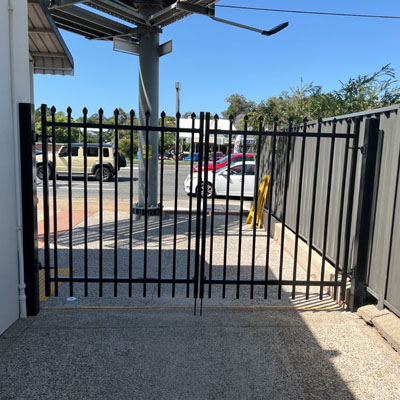
The area beneath a fence is one of the most common points of vulnerability. Even when panels and posts are installed correctly, small gaps at ground level can allow access if they are not controlled across the full length of the boundary.

  • Gaps under the fence, where uneven ground or poor grading leaves space beneath panels.
  • Soil erosion, which gradually increases clearance over time, particularly after rain.
  • Uneven or shifting ground, where movement creates inconsistencies along the fence line.
  • Drainage washout, where water flow removes soil from beneath the barrier.

These conditions can develop after installation and may not be obvious at first. Unchecked movement at ground level can turn a secure fence line into an easy access point over time.

Weak points found in fencing with large ground clearance

Gate Systems as the Most Common Weak Point

Gate systems are often the most frequently used part of a fence, which makes them more prone to wear and misalignment over time. Unlike fixed panels, gates rely on moving components that can shift with repeated use, particularly if load is not distributed evenly or support posts are affected by ground movement.

Issues such as hinge wear, latch misalignment, or slight sagging can reduce how securely a gate closes and locks. Even small changes can create gaps or reduce resistance to forced entry. Where the gate loses alignment, the security standard of the entire boundary drops with it.

Nearby Structures That Assist Climbing

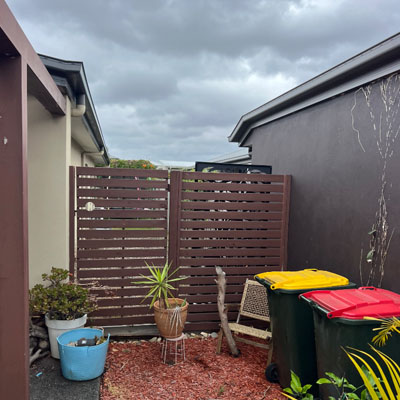
Objects positioned near a fence can reduce the effort required to climb over it, even when the fence itself is designed to resist access. These features may not be part of the fence system, but they can change how the barrier performs in practice by providing unintended footholds or support.

  • Adjacent walls or retaining edges, which can act as a step up to the fence height.
  • Bins, storage units, or equipment, left close to the boundary and used as climbing assistance.
  • Fixed outdoor structures, such as seating or platforms positioned near the fence line.
  • Landscaping features, including raised beds or hard edging that increase reach height.

These conditions are often introduced after installation and may go unnoticed until they affect security. A fence can only resist climbing when the surrounding area does not make the ascent easier.

Ensuring objects can't be used to increase climbability in fences

Fence Height Inconsistencies Across the Boundary

Fence height can vary along a boundary due to ground level changes, transitions between sections, or differences in installation. These variations may seem minor, but even small reductions in height can create points where the barrier is easier to approach or scale. Consistency across the full length of the fence is important for maintaining uniform performance.

Changes often occur at boundary joins, sloped areas, or where different fence sections meet. If one section sits lower relative to the surrounding ground, it can become a visible weak point along the perimeter. Once one section sits lower than the rest, attention shifts to that point as the easiest place to test the boundary.

Visibility and Lighting Around the Fence Line

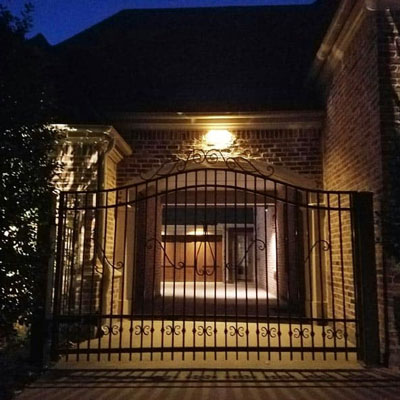
Visibility along a fence line influences how effectively the boundary discourages intrusion. Areas that are poorly lit or partially concealed can reduce natural oversight, particularly during low-light conditions. Even a well-built security fence can be less effective if sections of the perimeter are not clearly visible from surrounding areas.

  • Blind spots created by buildings or structures, which limit sightlines along sections of the fence.
  • Inadequate lighting, especially around corners, access points, or long runs.
  • Vegetation or obstacles, which obstruct views and create concealed areas near the boundary.
  • Uneven lighting coverage, where some sections remain darker than others.

Maintaining clear visibility supports the function of the fence as a deterrent. Poor visibility gives weak points more opportunity to go unnoticed, especially around access routes and corners.

Lighting surrounding fencing can increase general security

Addressing Weak Points Through Fence Design and Installation

Fence security improves when weak points are considered during both design and installation rather than addressed after issues develop. Consistent height, controlled ground clearance, stable gate systems, and clear surrounding space all contribute to how the boundary performs as a whole. Each element needs to work together to maintain a continuous barrier.

Selecting materials and layouts that reduce climbability and maintain alignment helps limit vulnerabilities across the fence line. Systems such as palisade fencing are often chosen in higher security settings because their vertical design, consistent spacing, and limited footholds support a more controlled perimeter. When weak points are addressed early, the fence performs more reliably under long-term use and changing site conditions.

Talk to Northside Fencing About Improving Fence Security

Addressing weak points early helps maintain a consistent and reliable boundary. Contact Northside Fencing on (07) 3491 4100 or submit an enquiry through our website to discuss fence design, upgrades, and installation across Brisbane, the Sunshine Coast, and the Moreton Bay region.

FAQ: Security Fence Weak Points

What is the most common weak point in a fence?

Gate systems are often the most vulnerable due to frequent use and moving components that can wear or shift over time.

Can gaps under a fence affect security?

Yes. Even small gaps can allow access if they are not controlled, particularly where ground levels change or erosion occurs.

Do nearby objects affect fence security?

Objects positioned near a fence can provide climbing assistance and reduce the effectiveness of the barrier.

Does fence height need to be consistent across the boundary?

Consistent height helps maintain uniform performance. Variations can create areas where the fence is easier to approach or scale.

How can weak points in a fence be improved?

Adjustments to alignment, ground clearance, gate systems, and surrounding conditions can help restore consistent performance.