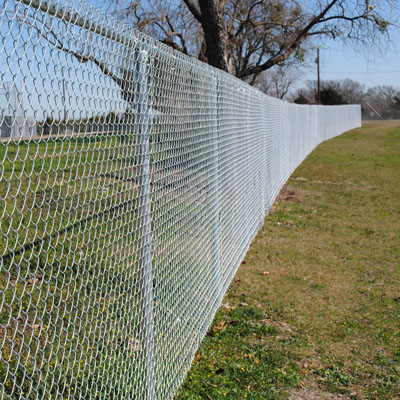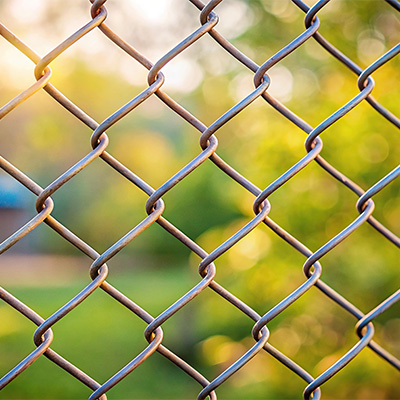
Choosing Between Galvanized and Non-Galvanized Chain Wire Fencing

Chain wire fencing is a practical and cost-effective solution for securing properties, creating enclosures, and establishing boundaries. With its durability and versatility, it is widely used across commercial, industrial, and residential settings. However, selecting the right type of chain wire fencing is essential for long-term performance and value.

Both galvanized and non-galvanized chain wire fencing have distinct advantages depending on the environment, maintenance requirements, and budget. Choosing the right option ensures the fence remains secure, durable, and suited to its intended purpose, whether for a temporary setup or a long-term security solution.
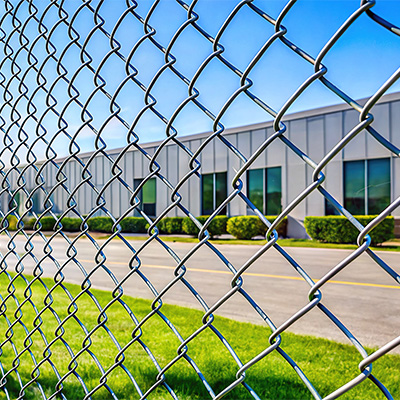
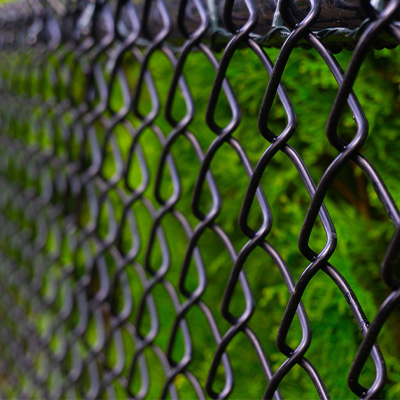
Pros and Cons of Non-Galvanized Chain Wire Fencing

Non-galvanized chain wire fencing is an affordable option, often chosen for temporary or indoor applications. While it serves its purpose in controlled environments, it lacks the durability required for long-term outdoor use.

Advantages of Non-Galvanized Chain Wire Fencing

  • Lower Upfront Cost – One of the biggest appeals of non-galvanized fencing is its affordability, making it a budget-friendly choice for short-term applications.
  • Easier to Modify or Replace – Since it is less expensive, replacing sections or making adjustments is more cost-effective.
  • Suitable for Indoor Use – Ideal for warehouse partitions, factory enclosures, or temporary barriers where exposure to moisture is minimal.

Disadvantages of Non-Galvanized Chain Wire Fencing

  • Prone to Rust and Corrosion – Without a protective zinc coating, the metal is highly susceptible to rust, especially in humid or coastal areas.
  • Requires Frequent Maintenance – To slow down deterioration, regular painting, sealing, or protective coatings are needed, adding to upkeep costs.
  • Shorter Lifespan – Compared to galvanized fencing, non-galvanized wire deteriorates much faster, leading to potential safety and structural concerns over time.

While non-galvanized fencing may work for temporary enclosures or indoor settings, it is not ideal for high-exposure environments. Without ongoing maintenance, rust and corrosion can compromise the fence’s strength, reducing its overall lifespan.

Galvanized and Non-Galvanized Chain Wire Fencing
Choosing Between Galvanized and Non-Galvanized Chain Wire Fencing

Pros and Cons of Galvanized Chain Wire Fencing

Galvanized chain wire fencing is designed for durability, with a protective zinc coating that shields it from rust and corrosion. It is a preferred choice for industrial, commercial, and security applications that require long-term reliability

Advantages of Galvanized Chain Wire Fencing

  • Rust and Corrosion Resistant – The zinc coating provides a strong barrier against moisture and oxidation, extending the fence’s lifespan.
  • Low Maintenance – Requires minimal upkeep compared to non-galvanized fencing, as it does not need frequent repainting or protective treatments.
  • Long-Term Durability – Ideal for outdoor security fencing, sports enclosures, and industrial properties where strength and longevity are crucial.

Disadvantages of Galvanized Chain Wire Fencing

  • Higher Initial Cost – Galvanized fencing costs more upfront, but the investment pays off in long-term durability and reduced maintenance.
  • May Not Be Necessary for All Applications – For indoor use or short-term projects, the extra cost of galvanization might not be justifiable.
  • Potential for White Rust – In highly humid environments, a temporary oxidation known as white rust may appear on galvanized metal, though it does not affect structural integrity.

For anyone looking for a low-maintenance, durable fencing solution, galvanized chain wire fencing is the better long-term investment. It stands up to harsh weather conditions, requires less upkeep, and provides a reliable security barrier for a variety of applications.

Choosing Between Galvanized and Non-Galvanized Chain Wire Fencing
Galvanized and Non-Galvanized Chain Wire Fencing

Choosing the Right Option for Your Needs

When selecting between galvanized and non-galvanized chain wire fencing, several factors come into play:

Location: Outdoor fencing requires galvanization to withstand exposure, while indoor applications may not.
Purpose: Security fencing, sports enclosures, and permanent barriers benefit from galvanized steel. Temporary or budget-conscious projects may opt for non-galvanized.
Budget vs. Long-Term Investment: Initial cost vs. long-term maintenance savings should be considered when choosing the best fencing solution.

Why Work with a Professional?

Proper installation is just as important as choosing the right material. Northside Fencing provides expert guidance, ensuring your commercial security fencing meets durability, compliance, and functionality requirements. Whether securing an industrial facility, installing a sports enclosure, or fencing a large commercial property, our team delivers tailored fencing solutions designed to last.

Galvanized and Non-Galvanized Chain Wire Fencing

Finding the Best Balance Between Cost and Durability

Selecting the right chain wire fencing depends on your needs. Non-galvanized fencing suits temporary and indoor projects, but requires ongoing maintenance, while galvanized fencing is the best choice for long-term durability and outdoor security

Northside Fencing supplies and instals high-quality chain wire fencing for commercial, industrial, and residential properties across Brisbane. If you need a secure, long-lasting fence, contact us today on (07) 3491 4100 or by clicking here.